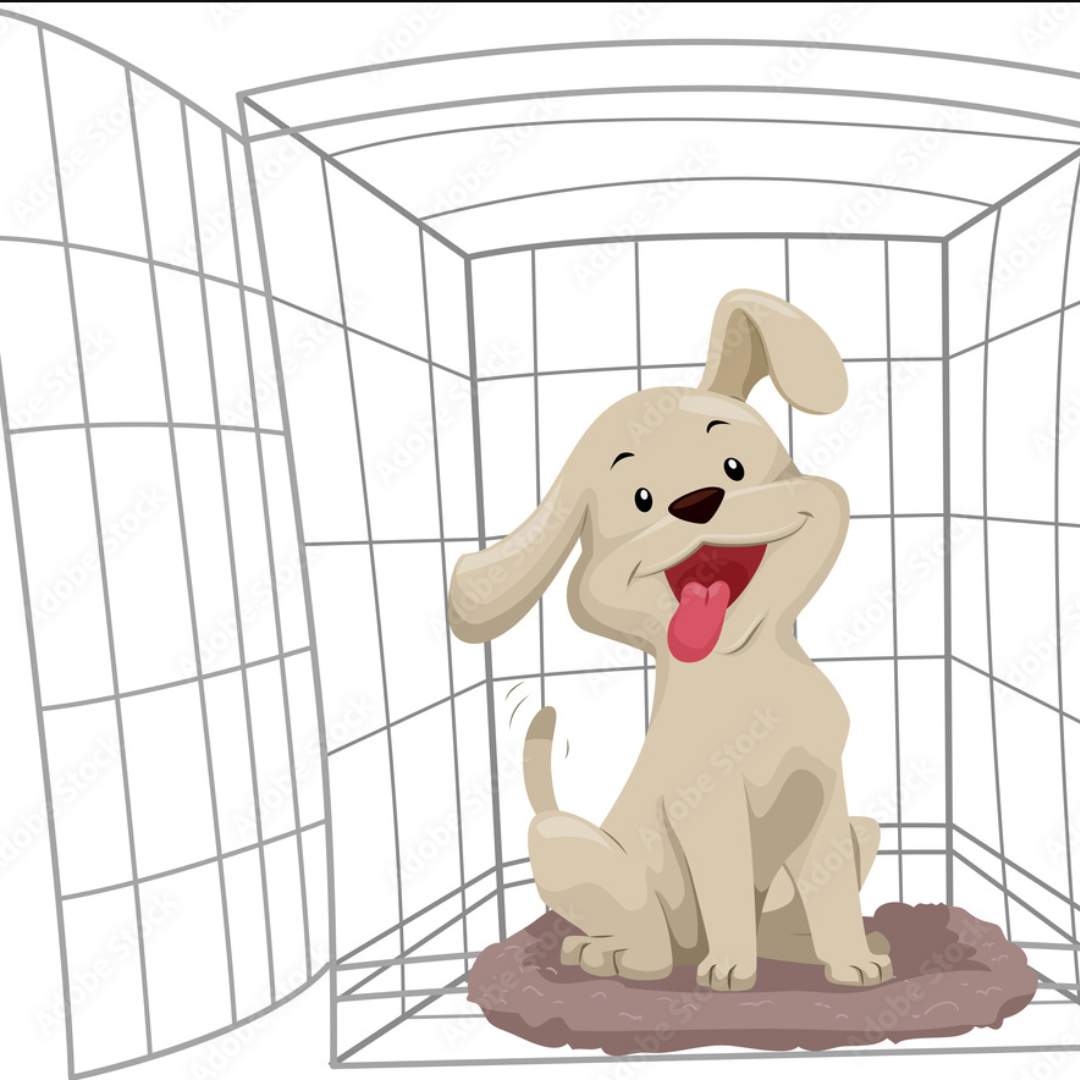
Crate Training for Puppies: A Positive Start to Good Habits
Bringing home a new puppy is one of life’s most joyful experiences. Puppies bring endless energy, affection, and curiosity, but they also need structure and guidance to feel secure. One of the most valuable tools in early training is crate training.
At Cessna Lifeline, we often meet new pet parents who are unsure about crates. Some worry that using a crate is harsh or confining. In truth, when done correctly, crate training gives your puppy a sense of safety, structure, and comfort. It can make toilet training easier, prevent destructive behavior, and give your puppy a peaceful place to rest.
This guide will help you understand how to crate train your puppy step by step using positive and gentle methods.
Why Crate Training Matters
Dogs are den animals by nature. In the wild, they seek out small, enclosed spaces to rest and feel protected. A crate serves as a modern den for your puppy — a personal retreat where they can relax and unwind.
When introduced properly, a crate becomes a place your puppy chooses to go, not somewhere they are forced into. It can also be a valuable aid in establishing routines, promoting house training, and reducing anxiety during travel or vet visits.
Benefits of Crate Training
Crate training offers several lifelong benefits for both you and your puppy.
A Safe Space
A crate gives your puppy a quiet, secure place of their own. When tired, overwhelmed, or scared, your puppy can retreat to their crate to rest. This helps prevent overstimulation and supports healthy emotional development.
Easier Toilet Training
Crates help puppies learn bladder control. Puppies instinctively avoid soiling the area where they sleep, which encourages them to wait until you take them outside. With consistency, this forms the foundation of reliable toilet training.
Prevention of Destructive Behavior
Young puppies are curious and love to chew. Crates prevent unsupervised access to shoes, wires, or furniture when you cannot watch them. It keeps them safe while you establish boundaries and good habits.
Reduced Separation Anxiety
When used positively, a crate teaches your puppy to be comfortable alone for short periods. This reduces the chances of separation anxiety later in life.
Safer Travel
Whether for a vet visit or a road trip, a crate keeps your puppy secure and calm during travel. It also prevents distractions for the driver and reduces the risk of injury.
Choosing the Right Crate
The right crate depends on your puppy’s breed, size, and comfort needs. Keep these points in mind:
- Size: Your puppy should be able to stand, turn around, and lie down comfortably. Avoid a crate that is too big, as it may encourage your puppy to use one end for sleeping and the other for toileting.
- Material: Wire crates are ventilated and easy to clean, while plastic crates are cozier and better for travel.
- Comfort: Line the crate with a soft blanket or mat. Avoid materials your puppy may chew or swallow.
- Placement: Keep the crate in a calm but social area of your home. Puppies like being near their family but also need a quiet space to nap.
Step by Step Guide to Crate Training
Crate training works best when it is introduced gradually and positively. Follow these simple steps to help your puppy form happy associations with their crate.
Step 1: Introduce the Crate
Place the crate in a comfortable area and leave the door open. Allow your puppy to explore it freely. Toss a few treats inside to encourage curiosity. Let your puppy enter and exit at will without closing the door at first.
The goal is for your puppy to discover that the crate is a fun and safe place.
Step 2: Make It Inviting
Add a soft bed or blanket and place your puppy’s favorite toy inside. Feed your puppy meals near or inside the crate so they start associating it with good experiences.
You can also sit nearby while your puppy explores the crate to help them feel comfortable and secure.
Step 3: Close the Door Briefly
Once your puppy is happily going in and out of the crate, gently close the door for a few seconds while they are inside. Stay close and speak softly. Gradually increase the time the door remains closed as your puppy stays relaxed.
If your puppy whines, wait for a calm moment before opening the door. This teaches them that calm behavior earns freedom, not crying.
Step 4: Practice Short Absences
When your puppy can rest quietly in the crate for 10 to 15 minutes, start leaving the room for brief periods. Return calmly and reward them for staying relaxed. Gradually extend your absences to help your puppy feel secure even when you are not nearby.
Step 5: Crate Time During the Night
For the first few nights, place the crate near your bed so your puppy can hear and smell you. This helps reduce anxiety and builds trust.
As your puppy grows more confident, you can gradually move the crate to your preferred location. Take your puppy outside for bathroom breaks before bedtime and first thing in the morning.
Common Crate Training Mistakes To Avoid
Even well-meaning pet parents can make mistakes that slow down training. Avoid the following to ensure a positive experience.
- Using the crate as punishment
- Leaving your puppy in the crate for too long
- Ignoring whining due to genuine discomfort or bathroom needs
- Skipping gradual introduction and forcing the puppy inside
- Placing the crate in noisy or isolated areas
Crate training should always feel safe and comforting, never isolating or restrictive.
How Long Can a Puppy Stay in the Crate
A general rule is that a puppy can stay in the crate for the same number of hours as their age in months, up to a maximum of four hours at a time during the day.
For example:
- A two-month-old puppy can stay in the crate for about two hours.
- A three-month-old puppy for about three hours.
At night, puppies can sleep longer since they are less active. Always ensure they get enough playtime, socialization, and toilet breaks outside the crate.
Helping Your Puppy Feel Calm
Some puppies may take longer to adjust. If your puppy seems nervous, try these calming methods:
- Play soft background music to create a soothing environment
- Use vet-recommended pheromone sprays to reduce stress
- Offer chew toys or food puzzles for quiet mental stimulation
- Keep a familiar piece of clothing near the crate to provide your scent
Patience and consistency are key. Over time, your puppy will begin to associate the crate with rest and safety.
When To Seek Help
If your puppy cries excessively, refuses to enter the crate, or shows signs of severe stress such as panting, drooling, or chewing the bars, consult your veterinarian or a certified dog trainer.
At Cessna Lifeline, our veterinary team and behavior experts can help assess the cause and design a training plan that fits your puppy’s personality and comfort level.
Crate Training Success: Building Trust and Independence
Crate training is more than a house training tool. It teaches your puppy independence, helps prevent anxiety, and creates a calm, structured environment.
Remember that patience and consistency matter most. Each positive experience in the crate strengthens your puppy’s trust in you. Over time, they will learn that their crate is not a cage but a cozy retreat that belongs entirely to them.
At Cessna Lifeline, we encourage pet parents to view crate training as an act of care and love. With gentle guidance and positive reinforcement, you can raise a confident, well-adjusted dog who feels safe, happy, and secure — both inside and outside their crate.