
Why Cats Hide When They Are Unwell
Cat hiding suddenly affects up to 30% of sick cats before any other sign appears. Learn the instinct behind it, which illnesses cause it, and when a feline wellness evaluation is urgent.
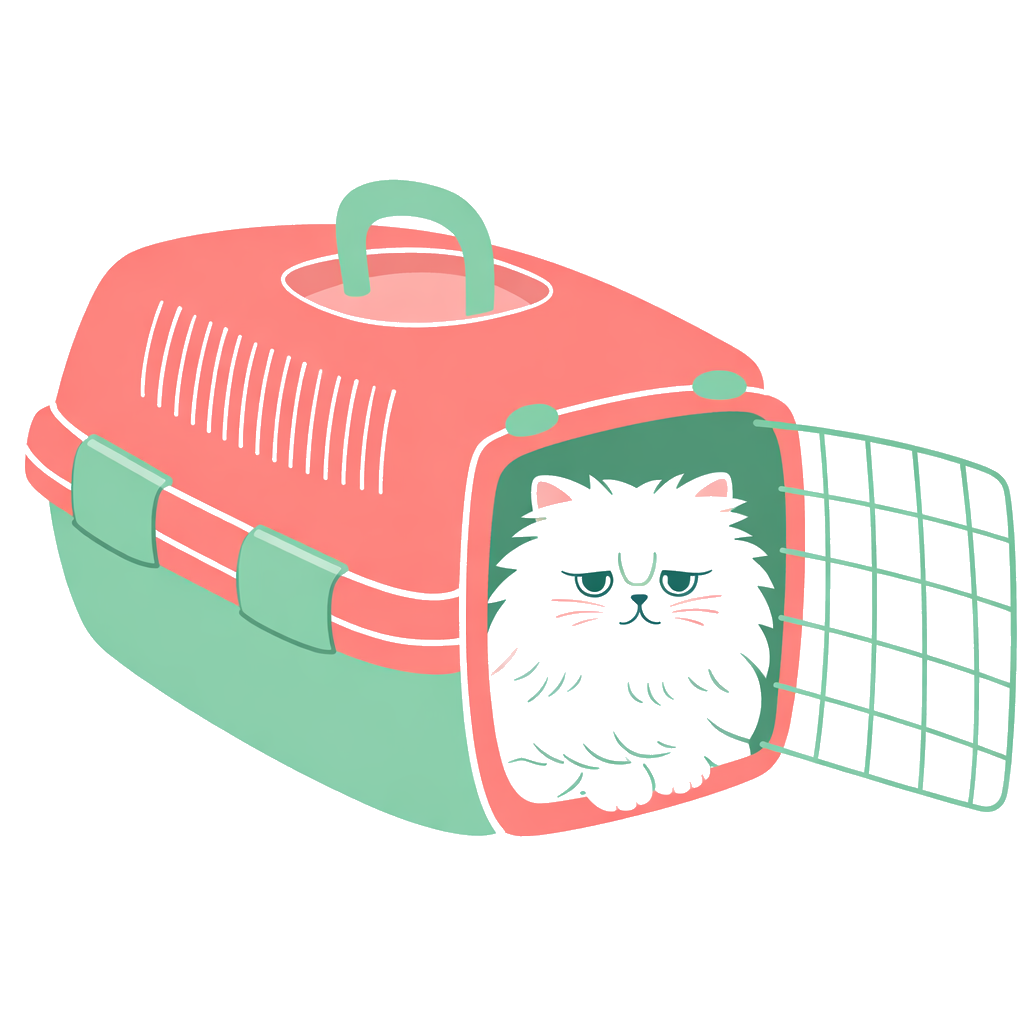
How To Get Your Cat Used to Their Carrier
For many cat parents, the hardest part of a vet visit or a road trip is not the journey itself but getting their cat into the carrier. The moment the carrier appears, your calm companion can suddenly vanish under the bed. This behavior is completely natural, but it can make travel stressful for both you and your cat.
At Cessna Lifeline, we often meet pet parents who say their cats hate carriers. The good news is that with patience, consistency, and understanding, you can teach your cat to see the carrier as a safe and familiar space instead of something to fear.
Why Cats Dislike Carriers
Cats thrive on routine and predictability. Anything unfamiliar, such as a carrier, can make them anxious. The smell, the confined space, and the movement can all trigger stress.
Most cats associate carriers with unpleasant experiences like visits to the vet or long car rides. Over time, they begin to link the carrier with discomfort. Changing that association through calm and positive exposure can help your cat feel relaxed and confident.
Understanding the Cat’s Perspective
To help your cat adjust, it helps to think like them. Cats rely heavily on their senses. A carrier that smells unfamiliar or moves suddenly can feel threatening. Even the sound of the door closing can make them uneasy.
Your goal is to make the carrier feel familiar and secure. Filling it with scents, textures, and sounds your cat recognizes will help transform it from a stressful object into a safe retreat.
Choosing the Right Carrier
The right carrier can make a big difference. Look for one that is:
Plastic carriers are durable, while soft carriers are easier to store and carry. Choose what works best for your lifestyle, but make sure your cat feels safe and supported inside.
Step by Step Guide to Carrier Training
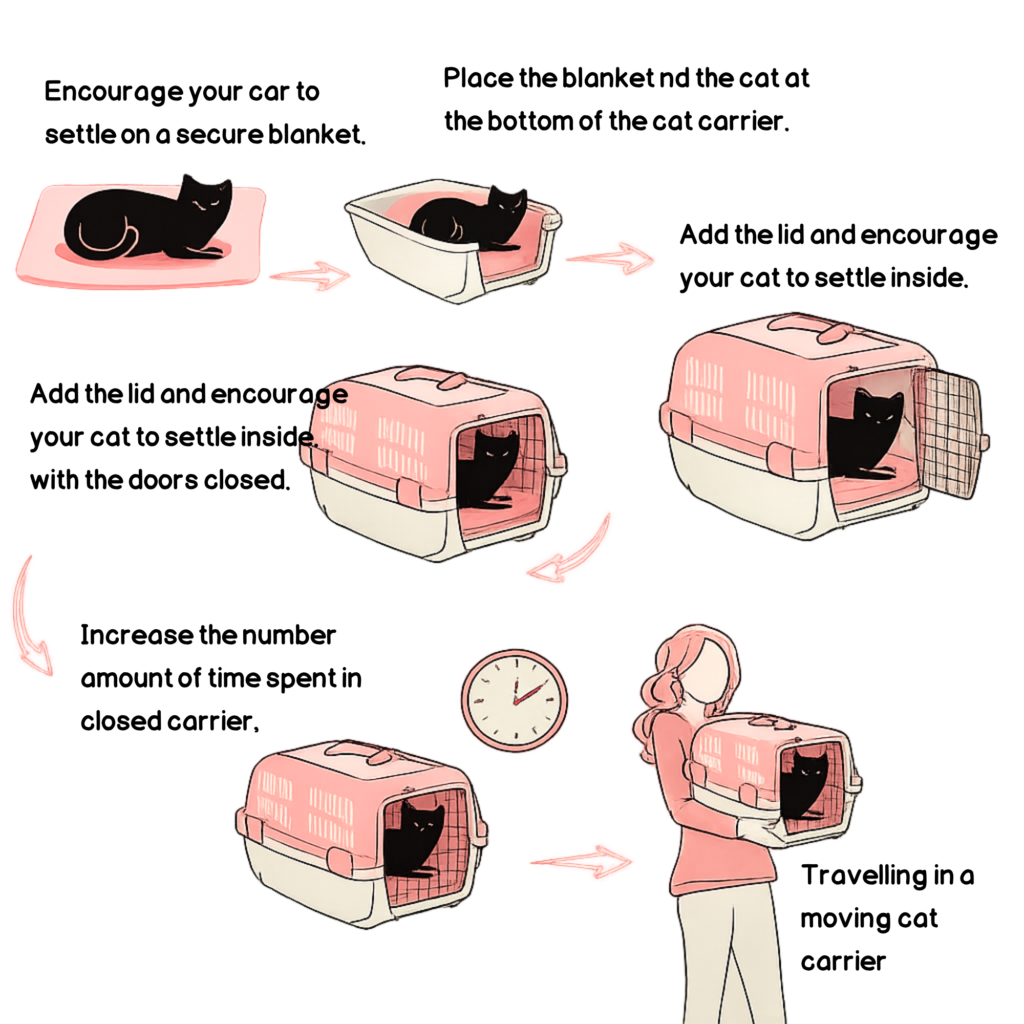
Training your cat to enjoy their carrier takes time, but it is possible. Here is a simple process that helps build comfort gradually.
Step 1: Introduce the Carrier Early
Place the carrier in a calm area of your home where your cat already feels relaxed. Keep the door open and let them explore at their own pace. Curiosity will eventually draw them inside.
Step 2: Make It Part of Daily Life
Do not hide the carrier between trips. Keep it visible and part of your cat’s everyday environment. Place soft bedding, treats, or toys inside so your cat begins to associate it with positive experiences.
Step 3: Create Positive Associations
Reward your cat whenever they approach or enter the carrier. Offer treats, gentle words, or even meals inside it. The more your cat connects the carrier with good things, the less anxious they will be about it.
Step 4: Practice Closing and Movement
Once your cat is comfortable sitting in the carrier, start closing the door for short periods. Stay nearby and speak softly. Gradually increase the time with the door closed. Then try lifting the carrier slightly or moving it from one room to another to help your cat adjust to motion.
Step 5: Take Short Practice Trips
After your cat is at ease inside the carrier, take them on short drives around the neighborhood. Keep the car quiet and steady. When you return, offer praise and a treat. These small experiences teach your cat that the carrier is safe even when it moves.
Tips To Reduce Stress on Travel Day
Even with good training, some cats may still feel nervous on travel day. These steps can make the experience smoother.
Your calm behavior can help your cat feel reassured and protected.
What Not To Do
Avoid these common mistakes that can increase stress.
Patience and consistency will always work better than force. Allow your cat to move at their own pace.

When To Seek Professional Help
If your cat becomes extremely fearful, refuses food, or reacts aggressively despite gradual training, it may be time to consult your veterinarian. Anxiety can sometimes be linked to past trauma or medical issues.
Your vet may suggest behavioral strategies or gentle calming aids to help your cat adjust. At Cessna Lifeline, our veterinarians often help cat parents develop customized carrier training plans that suit each cat’s temperament.
Turning Fear Into Comfort
Helping your cat feel comfortable in a carrier is one of the best things you can do for their well-being. A relaxed cat travels safely and experiences less stress during vet visits and grooming appointments.
At Cessna Lifeline, we encourage pet parents to make the carrier a normal part of everyday life. With time, gentle encouragement, and positive reinforcement, even the most hesitant cat can learn to see their carrier as a safe and familiar space.
If your cat struggles with anxiety or travel discomfort, book a consultation with your nearest Cessna Lifeline clinic. Our team is here to guide you every step of the way and make every journey easier for your feline friend.