
Why Cats Hide When They Are Unwell
Cat hiding suddenly affects up to 30% of sick cats before any other sign appears. Learn the instinct behind it, which illnesses cause it, and when a feline wellness evaluation is urgent.

Hearing that your pet might have cancer can feel overwhelming. It’s not just a medical diagnosis, it’s emotional, personal, and often unexpected. You may find yourself replaying recent weeks in your head, wondering if you missed something. You may feel urgency, fear, or even guilt. These reactions are completely natural. What matters now is not what you could have done, but what you can do next.
This guide is designed to help you move forward with clarity, one step at a time, so you can make the best decisions for your pet with confidence.
Cancer in pets, much like in humans, refers to the uncontrolled growth of abnormal cells. These cells can form tumors or affect internal systems in ways that disrupt normal body function. However, not all cancers behave the same way. Some grow slowly and remain localized, while others can spread quickly if left untreated. Understanding this difference is key to reducing fear and focusing on action.
Broadly, cancers are categorized as:
It’s important to remember that a diagnosis of cancer is not a single outcome. It represents a range of possibilities, many of which can be managed effectively with the right care.
Cancer often develops quietly. In the early stages, the signs can be subtle and easy to dismiss as minor changes or aging. As a pet parent, your awareness plays a critical role. You know your pet’s normal behavior better than anyone, and small deviations can be important signals.
Some of the most common signs to watch for include:
These signs do not always indicate cancer. However, they are strong indicators that your pet needs medical evaluation. When in doubt, it’s always better to check early than to wait.
One of the most important factors in managing cancer is timing. Detecting cancer early can significantly influence both treatment options and outcomes.
When identified in its initial stages, cancer is often more localized and easier to manage. This can reduce the need for aggressive treatments and improve recovery prospects.
Early detection offers several advantages:
In many cases, early action can mean the difference between complex treatment and a more straightforward approach. More importantly, it helps ensure your pet experiences less discomfort and maintains a better quality of life.
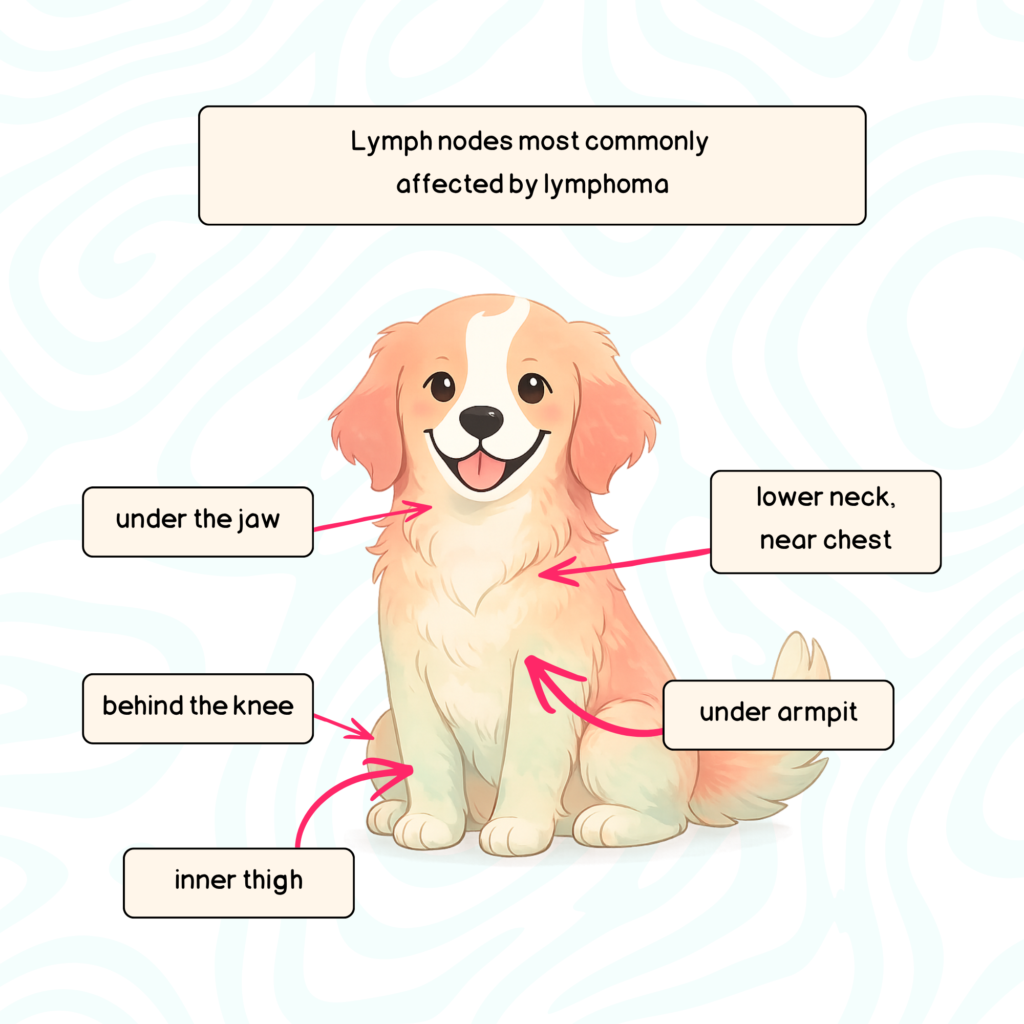
If your veterinarian suspects cancer, the next step is to confirm the diagnosis through a structured process. While this phase can feel stressful, it is designed to provide clarity, not confusion.
Each test builds toward understanding exactly what your pet is dealing with.
The diagnostic process typically includes:
While waiting for results can be emotionally difficult, this stage is critical. A precise diagnosis ensures that any treatment plan is targeted, effective, and appropriate for your pet.
Once cancer is suspected or confirmed, you may be referred to a veterinary oncologist. This step can make a meaningful difference in how your pet’s condition is managed.
A veterinary oncologist specializes in cancer care for animals. Their expertise goes beyond diagnosis and focuses on creating tailored treatment strategies based on the specific type and stage of cancer.
Working with an oncologist provides access to:
While general veterinarians remain an essential part of your pet’s care, an oncologist adds a layer of precision and depth that can improve both outcomes and confidence in decision making.
After confirmation, your veterinarian may introduce terms like staging and grading. These concepts help define how the cancer behaves and what it means for your pet’s future.At first, this information can feel overwhelming. But breaking it down makes it easier to understand.
Key components of a diagnosis include:
Together, these factors guide decisions around treatment and prognosis.
They help answer questions such as:
Your veterinary team will translate this information into clear recommendations tailored specifically to your pet.
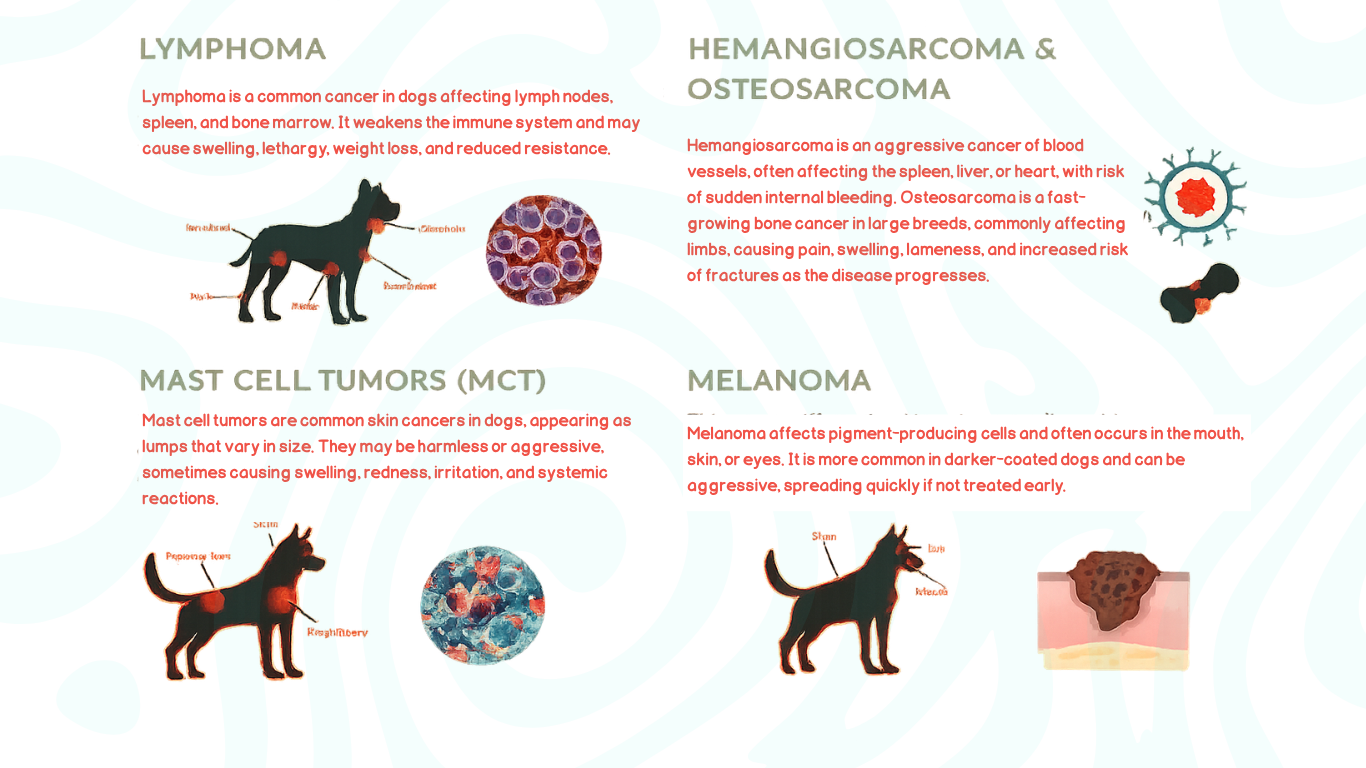
Cancer treatment in pets is not one size fits all. It depends on several factors, including the type of cancer, its stage, and your pet’s overall health.
The goal is always to balance effectiveness with comfort.
Common treatment approaches include:
One important reassurance for pet parents is that animals generally tolerate treatments, especially chemotherapy, much better than humans. Side effects are typically milder and closely monitored.
A common concern is whether treatment will reduce a pet’s quality of life. In veterinary care, this is never the goal.
In fact, every decision revolves around maintaining comfort, happiness, and dignity.
Veterinarians assess quality of life through:
If a treatment begins to negatively impact these factors, it is reassessed or adjusted.
The focus is not just on extending life, but on ensuring that life remains enjoyable.
Your role at home becomes especially important once a treatment plan is in place. Small, consistent actions can make a big difference in your pet’s comfort and recovery.
Creating a supportive environment involves a mix of physical care and emotional reassurance.
Key areas to focus on include:
Beyond all of this, your presence matters most. Familiar routines, affection, and a sense of normalcy help your pet feel safe during an uncertain time.
Caring for a pet with cancer is not just physically demanding, it can be emotionally exhausting.
You may experience a mix of emotions that shift daily, sometimes even hourly. Doubt, hope, fear, and guilt can all coexist.
Common emotional challenges include:
Recognizing these feelings is important. You are navigating a complex situation, and it’s okay to seek support from professionals, family, or others who have been through similar experiences.
In some cases, treatment may not be the most appropriate option. This can depend on the stage of cancer, your pet’s age, or their overall condition.
Choosing not to pursue aggressive treatment does not mean giving up. It means shifting the focus to comfort and dignity.
This approach, known as palliative care, prioritizes:
These decisions are deeply personal, and there is no universally correct choice, only what aligns best with your pet’s wellbeing.
Hope does not always mean a cure. Sometimes, it means more time, better days, and fewer moments of discomfort.
Many pets continue to live fulfilling lives even after a cancer diagnosis, especially with timely care and the right support system.
Hope can look like:
And those moments matter more than anything.
The care team you choose plays a critical role in your pet’s journey. Access to the right expertise and facilities can make diagnosis, treatment, and follow up far more seamless.
When evaluating options, consider:
An integrated approach ensures your pet receives consistent, well coordinated care throughout the process.
If you’re feeling unsure about the next steps, starting small can help you regain a sense of control.
Here’s a simple way to move forward:
Taking action, even in small steps, can make the situation feel more manageable.
If your pet is facing cancer, it’s natural to feel uncertain about what lies ahead.
But you don’t have to have all the answers right now.
With the right guidance, timely care, and informed decisions, you can navigate this journey in a way that prioritizes both your pet’s health and their happiness.
Take it one step at a time.
You’re doing the best you can, and that matters more than anything.