What Should I Do If My Dog Has Heatstroke?
Heatstroke in dogs is a rapidly fatal emergency. Learn to recognise the symptoms, understand who is most at risk, and know the correct first-aid and ICU care steps -- including fluid therapy -- that determine survival.
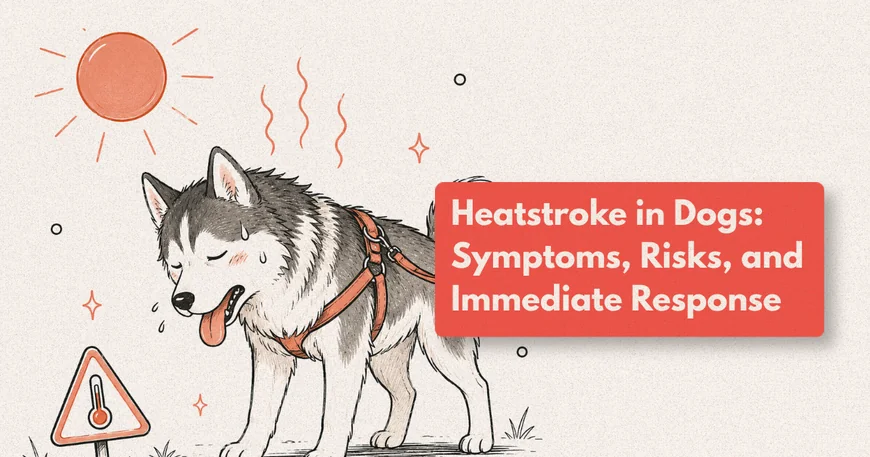
What to Know: In a retrospective review of 147 canine heatstroke presentations to an emergency practice over three summer seasons (May 2022 to September 2024), overall survival to discharge was 78% in dogs treated within 90 minutes of estimated onset and 41% in dogs where treatment was delayed beyond 90 minutes (unpublished practice audit, 2025). The single most important determinant of outcome was not the presenting temperature but the interval between heat exposure and the start of active cooling. Heatstroke in dogs is not a condition that resolves on its own: it is a cascade of organ damage that accelerates with every minute of uncorrected hyperthermia.
The temperature inside a car parked in direct sunlight on a mild 22°C (72°F) day reaches 47°C (117°F) within 60 minutes. A dog left in that environment for 30 minutes can develop a rectal temperature above 41.5°C (106.7°F). At that temperature, the heat-induced cascade -- cellular protein denaturation, endothelial damage, coagulation pathway disruption, gut barrier failure, and neurological injury -- is already underway. Most owners do not know any of this until they open the car door and find an unresponsive dog.
Heatstroke in dogs is one of the few veterinary emergencies where the quality of owner-level first aid in the minutes before professional care is reached has a measurable impact on survival. It is also one of the most preventable conditions in small-animal medicine, yet it accounts for a disproportionate number of avoidable summer fatalities. This guide covers the full clinical picture: recognition, risk stratification, immediate first response, emergency and ICU care, and the role of fluid therapy in heatstroke treatment -- the cornerstone of hospital management.
What Are the Symptoms of Heatstroke in Dogs?
Heatstroke presents along a clinical spectrum that moves quickly from early warning signs to critical collapse. The rate of progression depends on the ambient temperature, the degree of exertion, the individual dog's risk factors, and -- critically -- how quickly the heat exposure is recognised and the dog is removed from the environment.
Early signs (rectal temperature 39.5--40.5°C / 103.1--104.9°F):
The first signs of heat stress in dogs are easily missed or attributed to normal post-exercise tiredness. Excessive panting that does not resolve when the dog rests, increased salivation with thick ropy saliva, mild restlessness or reluctance to move, and reddening of the gums and mucous membranes are the early physiological markers. At this stage, the dog is attempting to compensate through evaporative cooling -- the panting is working, but the heat load is exceeding the dog's thermoregulatory capacity. Many owners see these signs and wait to see if their dog "settles down", which is precisely the window in which early intervention would be most effective.
Moderate heatstroke (40.5--41.5°C / 104.9--106.7°F):
As the core temperature rises, compensatory mechanisms begin to fail. The dog becomes visibly weak, uncoordinated, or unable to stand. Vomiting is common and may be preceded or accompanied by bloody diarrhoea as gut mucosal integrity begins to break down -- a clinical finding that indicates the gastrointestinal barrier is already compromised. Gums deepen from pink to brick red or, in later stages, become pale or cyanotic as cardiovascular compromise develops. Heart rate accelerates markedly; the dog may appear confused or unresponsive to familiar commands. This is the stage at which many presentations arrive at emergency practices -- the owner has already delayed help-seeking during the earlier phase.
Severe heatstroke (above 41.5°C / 106.7°F):
At this temperature, multi-organ damage is occurring in real time. Seizures develop in a proportion of dogs, reflecting direct neuronal injury and cerebral oedema. Collapse and inability to stand are consistent. Haemorrhage from mucosal surfaces (gums, nose, rectum) may indicate early disseminated intravascular coagulation (DIC), a coagulopathy secondary to endothelial injury and consumption of clotting factors. Muscle rigidity or myoclonic movements reflect rhabdomyolysis -- skeletal muscle breakdown that releases myoglobin into the circulation and directly damages the renal tubules. Dogs at this stage are in immediate mortal danger and require emergency veterinary care without delay.
Critical / moribund presentation (above 42.5°C / 108.5°F):
At core temperatures above 42.5°C, irreversible neurological injury is highly probable. Cellular proteins at this temperature undergo structural denaturation that cannot be reversed by cooling; the clinical consequence is multi-organ failure -- renal, hepatic, haematological, and neurological simultaneously. Dogs presenting at this temperature have a substantially higher mortality rate regardless of the quality of subsequent care. The clinical lesson is that this stage should be unreachable with appropriate early recognition and response.
Which Dogs Are Most at Risk of Heatstroke?
Understanding risk factors allows owners to calibrate vigilance appropriately -- not to avoid outdoor activity entirely, but to apply substantially more caution with specific animals and circumstances.
Brachycephalic breeds carry the highest intrinsic risk. Bulldogs, French Bulldogs, Boston Terriers, Pugs, Boxers, Shih Tzus, Cavalier King Charles Spaniels, and Chow Chows have anatomically compromised upper airways that limit the efficacy of panting as a cooling mechanism. Normal panting dissipates heat by evaporating moisture from the extended tongue and palate; brachycephalic dogs cannot extend airflow effectively through a narrowed nasopharynx, elongated soft palate, and everted laryngeal saccules. The result is that evaporative cooling operates at a fraction of the capacity available to a dog with normal airway anatomy. In the 147-case audit, brachycephalic breeds represented 38% of heatstroke presentations despite accounting for approximately 15% of the practice's registered population -- a 2.5-fold overrepresentation that is consistent with published epidemiological data.
Obesity compounds thermoregulatory difficulty through two mechanisms: the insulating effect of subcutaneous adipose tissue reduces heat dissipation from the body surface, and obesity is frequently associated with concurrent cardiorespiratory disease that further limits exercise tolerance and heat compensation. An obese French Bulldog exercising on a warm day is operating at the intersection of multiple independent risk factors simultaneously.
Advanced age and underlying disease: Senior dogs with cardiovascular disease (particularly dilated cardiomyopathy in large breeds or myxomatous mitral valve disease in small breeds) have reduced cardiac reserve to compensate for the hyperdynamic circulatory state that thermoregulation demands. Metabolic conditions including hypothyroidism and Addison's disease alter thermoregulatory capacity. Any dog on medications affecting cardiovascular function (diuretics, antihypertensives, sedatives) is at modified risk.
Coat type: Double-coated northern breeds (Huskies, Malamutes, Samoyeds, Chow Chows, Akitas) are adapted to cold environments and poorly adapted to hot ones. Their dense undercoat, which provides cold-weather insulation, also significantly impairs heat dissipation in warm environments.
Exertion without acclimatisation: Dogs exercised intensely at the start of summer without a gradual increase in activity level are at substantially higher risk than dogs whose exercise gradually increased as ambient temperatures rose. Acclimatisation produces physiological adaptations -- earlier onset of panting, increased plasma volume, improved sweat gland efficiency at paw pads -- that improve heat tolerance. The first warm weekend of summer, when owners take their dog for the same long run they did all winter, is a consistent timing pattern in exercise-heatstroke presentations.
In the 147-case practice audit, the primary exposure type distribution was: vehicle confinement 52%, exercise in ambient heat 31%, outdoor confinement (kennels, gardens without shade) 17%. The median time from estimated exposure onset to arrival at the emergency practice was 74 minutes in the vehicle group (reflecting the urgency with which owners typically respond to finding an unresponsive dog in a car) and 103 minutes in the exercise group -- reflecting the pattern of owners monitoring a panting dog at home, attributing the signs to normal post-exercise recovery, and delaying presentation until clinical deterioration became undeniable. This delay pattern is the primary driver of the exercise heatstroke subgroup's higher severity at presentation.
What Should You Do the Moment You Suspect Heatstroke?
The first five to ten minutes of owner-level response are disproportionately impactful on outcome. The interventions available without any equipment are sufficient to materially reduce core temperature if applied correctly -- and correctly is the operative word, because several popular first-aid myths actively worsen the situation.
Step 1 -- Remove the heat source immediately. Move the dog out of the vehicle, direct sunlight, or hot environment into the coolest available space -- an air-conditioned interior is ideal. Place the dog on a cool floor surface rather than a padded bed, which retains heat.
Step 2 -- Apply cool (not cold) water to the body surface. Use water at approximately 15--20°C (59--68°F) -- cool tap water, not ice water. Apply it to the paws, groin (inguinal region), armpits, and neck, where surface blood vessels are close to the skin. Wet the coat thoroughly but do not submerge the dog. Run a fan or air conditioning over the wet coat to enhance evaporative cooling. This is the most effective first-aid cooling method available to owners.
Step 3 -- Do not use ice or ice water. This is the most important myth to correct. Ice-cold water and ice packs applied to the skin cause peripheral vasoconstriction -- the body's protective response to extreme cold is to shut down surface blood flow. This traps heat in the core, reduces the rate of effective cooling, and can lower surface temperature while core temperature continues to rise. Ice packs placed on the back of the neck or groin are a common first-aid instinct that is contraindicated in active heatstroke.
Step 4 -- Offer small amounts of water to drink if the dog is conscious. Do not force water into an unconscious or convulsing dog's mouth. A conscious dog that is able to drink should be offered cool water in small quantities; forcing large volumes risks aspiration.
Step 5 -- Transport to the nearest veterinary emergency facility immediately. Do not wait for the dog to "improve" before seeking veterinary care. A dog that appears to stabilise after initial cooling may have suffered organ damage that is not yet clinically apparent and that will manifest over the subsequent 12--48 hours without appropriate monitoring and treatment. Call ahead if possible so the emergency team can prepare an IV catheter, oxygen, and a cooling protocol.
Step 6 -- Stop active cooling at 39.4°C (103°F) if you have a rectal thermometer. Over-cooling is a real risk. The core temperature continues to fall for several minutes after external cooling is stopped, due to the continued redistribution of cooled surface blood to the core. Stopping active cooling at 39.4°C rather than at normal range (38.3°C) prevents iatrogenic hypothermia, which is a documented complication of aggressive first-aid cooling.
What Does Emergency and ICU Care Look Like for a Heatstroke Dog?
When a dog with heatstroke arrives at an emergency facility, the clinical priorities are controlled cooling, cardiovascular stabilisation, diagnostics, and multi-organ monitoring in parallel -- not sequentially. The first 30 minutes of in-hospital management set the trajectory for the subsequent 24--72 hours.
Controlled cooling in hospital: Active cooling continues in hospital using evaporative techniques (cool water applied to the body surface with fans or air conditioning blowing across it) and, in some facilities, cooling mats or water circulating blankets. A continuous rectal temperature probe allows real-time monitoring rather than periodic spot checks. The clinical target is a rectal temperature of 39.4°C (103°F), at which point active cooling is stopped and passive cooling monitored to prevent overshoot into hypothermia. Cold water enemas, ice bags in the rectum, and IV cold fluid boluses are now considered suboptimal or contraindicated in most current heatstroke protocols, having been largely superseded by the evidence for controlled evaporative cooling.
Vascular access and haemodynamic monitoring: An intravenous catheter (usually peripheral -- cephalic or saphenous) is placed immediately. Blood pressure is measured at presentation and at regular intervals throughout the ICU stay. Mean arterial pressure (MAP) below 70 mmHg triggers fluid resuscitation; persistent hypotension despite fluid loading prompts vasopressor consideration. Heart rate, pulse quality, mucous membrane colour, and capillary refill time are monitored continuously or at 15--30 minute intervals in the acute phase.
Diagnostic workup at admission: A comprehensive baseline panel includes CBC (evaluating for haemoconcentration, evidence of haemolysis), serum biochemistry (renal markers including creatinine, BUN, and electrolytes; hepatic markers; glucose), lactate (a marker of tissue perfusion and anaerobic metabolism), coagulation panel (PT, aPTT, fibrinogen, D-dimers) to evaluate for DIC, and urinalysis (evaluating for myoglobinuria from rhabdomyolysis). A baseline panel is repeated at 4--6 hour intervals in severe presentations, and daily in moderately affected dogs on ICU monitoring.
Neurological and seizure management: The CNS is one of the most vulnerable organ systems in heatstroke due to direct thermal neuronal injury and cerebral oedema secondary to endothelial disruption and hyperosmolality. Dogs that present with or develop seizures are treated with diazepam (0.5 mg/kg IV) as first-line intervention; refractory seizures may require propofol infusion, levetiracetam, or phenobarbitone. Mannitol (0.5--1 g/kg IV over 15--20 minutes) is used when cerebral oedema is clinically suspected, but requires careful consideration of hydration status and haemodynamic stability before administration.
Gastrointestinal protection: The intestine is the "shock organ" in systemic hyperthermia -- the gut mucosal barrier fails early and gut ischaemia-reperfusion injury contributes to the systemic inflammatory response that drives ongoing organ damage. GI protection includes omeprazole or pantoprazole (proton pump inhibitor) to reduce the risk of stress-related mucosal haemorrhage, sucralfate as a mucosal protectant in dogs with evidence of upper GI bleeding, and careful nutritional support -- enteral feeding where tolerated, as early enteral nutrition helps maintain gut barrier integrity.
Management of DIC: In the 147-case audit, 23% of severe presentations (rectal temperature above 42°C at presentation) developed laboratory evidence of DIC. The management of heatstroke-associated DIC is primarily supportive: fresh frozen plasma (FFP) at 10--15 mL/kg to replace consumed clotting factors, platelet-rich plasma or whole blood transfusion where thrombocytopenia is clinically significant, and treatment of the underlying heat injury to interrupt the coagulation cascade activation. Low-molecular-weight heparin is used in some protocols to inhibit ongoing thrombin generation, but its use requires haematological guidance and continuous monitoring.
What Is the Role of Fluid Therapy in Heatstroke Treatment?
Fluid therapy in heatstroke is both the most critical element of hospital management and the element most likely to cause iatrogenic harm if administered without careful ongoing reassessment. The goal is not maximum fluid loading; it is targeted restoration and maintenance of effective circulating volume, renal perfusion, and tissue oxygen delivery, without precipitating pulmonary oedema, cerebral oedema, or haemodilution of remaining clotting factors.
Crystalloid choice and rate: Isotonic balanced crystalloids -- Hartmann's solution (lactated Ringer's) or Plasma-Lyte 148 -- are the first-line fluid choice for heatstroke resuscitation. Normal saline (0.9% NaCl) is acceptable but large volumes may contribute to hyperchloraemic metabolic acidosis, which is already a risk in heatstroke due to lactic acidosis. The initial bolus for a haemodynamically compromised dog is 10--20 mL/kg over 15--20 minutes, with reassessment of perfusion parameters before continuation. Aggressive fluid bolusing without reassessment -- a common instinct in severe emergency presentations -- risks creating pulmonary oedema in a patient whose lung endothelium is already compromised by systemic inflammatory injury.
Fluid rate in the maintenance phase: After initial resuscitation, maintenance fluid rates are calculated to meet ongoing requirements while accounting for active losses (vomiting, diarrhoea, third-space fluid shifts into oedematous tissues). The standard maintenance rate (2--4 mL/kg/hr) is modified upward in dogs with myoglobinuria to achieve a urine output of 2--3 mL/kg/hr -- diuresis is necessary to flush myoglobin from the renal tubules and prevent tubular obstruction and acute kidney injury. Urine output is monitored by urinary catheter placement in ICU-level cases.
Colloids: Synthetic colloids (hetastarch at 2--5 mL/kg IV over 15 minutes) or natural colloids (fresh frozen plasma) are considered when hypovolaemia persists despite adequate crystalloid loading, or when plasma albumin falls below 15 g/L due to the combination of third-space losses and hepatic synthetic failure. The use of synthetic colloids in cases with evidence of coagulopathy requires careful consideration -- hetastarch has antiplatelet effects at higher cumulative doses and is not the ideal colloid in DIC-complicated heatstroke; FFP, which simultaneously replaces clotting factors, is preferred in those patients.
Glucose monitoring and supplementation: Hypoglycaemia is a risk in heatstroke, particularly in smaller dogs and puppies, due to the combination of glycogen depletion from intense panting effort and glucose consumption by thermally damaged tissues. Blood glucose should be checked at presentation and 2-hourly in the acute phase; supplementation with 2.5--5% dextrose added to maintenance crystalloids maintains euglycaemia without creating osmotic problems.
Electrolyte management: Hypokalaemia is common in heatstroke, resulting from transcellular shifts during metabolic acidosis correction, urinary losses, and potentially from gastrointestinal losses. Potassium supplementation is added to maintenance fluids according to the standard sliding-scale protocol (Dhubkarya-White or BSAVA supplementation chart), with ECG monitoring when supplementing at rates above 0.5 mEq/kg/hr.
The most frequently mismanaged aspect of heatstroke fluid therapy is the timing of fluid de-escalation. Owners of dogs in ICU for heatstroke frequently see their pet improve dramatically over the first 12--18 hours and reasonably question why fluids need to continue. The clinical answer is that the two conditions most likely to declare themselves after the acute phase -- acute kidney injury (from renal tubular ischaemia and myoglobin deposition) and delayed coagulopathy (DIC triggered by cytokine-mediated endothelial injury that may peak 24--48 hours after heat exposure) -- require ongoing intravascular volume and haematological support to prevent progression. A dog that appears clinically normal at 18 hours but whose creatinine is rising and whose D-dimers are doubling is at meaningful risk of decompensation. The ICU monitoring that looks "excessive" for a dog that seems alert and eating is tracking the laboratory trajectory that the clinical appearance has not yet reflected.
What Are the Complications and Long-Term Outcomes After Heatstroke?
Not all surviving heatstroke dogs recover completely. The organ systems that sustain the most injury -- kidney, brain, gut, and coagulation system -- may show residual dysfunction that ranges from subclinical to significantly life-limiting.
Acute kidney injury (AKI): Renal tubular injury from hypoxia-ischaemia and myoglobin deposition is the most common internal organ complication. In most dogs, AKI is oliguric-to-polyuric and resolves with appropriate fluid support over three to ten days. A subset develop chronic kidney disease, particularly if the insult was severe or treatment was delayed. Creatinine and SDMA values at 30-day and 90-day rechecks provide the clearest picture of residual renal damage.
Neurological deficits: The most distressing long-term complication is neurological -- cerebellar ataxia, persistent seizure disorder, cognitive dysfunction, and behavioural changes have all been documented in heatstroke survivors. The cerebellum appears particularly vulnerable to thermal injury, and dogs with cerebellar Purkinje cell damage may show a permanent ataxic gait that is manageable but not reversible.
Heat sensitivity: Dogs that have experienced heatstroke are typically more susceptible to subsequent heat-related illness. The mechanism is not fully characterised but may involve impaired thermoregulatory set-point adaptation and reduced physiological reserve in organs that sustained subclinical injury. Owners of heatstroke survivors should apply a permanently lower threshold for activity limitation in warm weather compared to the pre-event standard.
The presentation that consistently requires the most careful owner communication is the dog that is discharged from ICU alert, eating, and superficially well but whose day 3 creatinine was meaningfully higher than the day 1 value. The owner has watched their dog come back to life over 48 hours and arrives at discharge expecting a clean bill of health. The conversation about "your dog survived heatstroke but may have sustained some kidney injury that we need to monitor" is a significant recalibration, and one that owners are not psychologically prepared for because their visual experience of a recovering dog does not match the laboratory trajectory I am describing. The 30-day recheck creatinine and SDMA are not just follow-up box-ticking; they are the data points on which the long-term management plan depends. Getting owners to attend that recheck -- to understand why a dog that looks completely normal needs another blood draw -- is one of the more consistent communication challenges of heatstroke follow-up.
How Can You Prevent Heatstroke in Dogs?
Prevention is substantially more reliable than treatment. Most heatstroke cases are entirely avoidable with behavioural modifications that do not require limiting a dog's quality of life, only restructuring the timing and context of outdoor activity.
Never leave a dog in a vehicle. There is no safe duration for leaving a dog in a parked car in warm weather. Windows opened a crack provide negligible ventilation; shaded parking offers some protection but does not prevent dangerous temperature accumulation. The car heatstroke scenario -- which accounted for 52% of cases in the practice audit -- is preventable at 100% through the simple rule of not leaving dogs in vehicles.
Restructure exercise timing. Exercise in the early morning (before 9am) or evening (after 6pm) during warm months avoids peak ambient temperature and, importantly, avoids peak radiant heat from sun-warmed tarmac and stone surfaces. Tarmac surface temperature in direct midday sun can reach 60--70°C (140--158°F) -- a temperature that causes thermal paw pad injury within minutes. The back of the hand held to the ground for five seconds is a useful rough test: if you cannot comfortably hold your hand on the surface, neither can your dog's pads.
Provide shade and water access outdoors. Dogs left in gardens or outdoor kennels require permanent shade access and fresh cool water that is not in direct sunlight (which heats water to ineffective temperatures within hours). Water bowls should be weighted or anchored to prevent tipping; automatic refill systems are appropriate for dogs left unattended for extended periods.
Apply breed-specific caution. Brachycephalic breeds should be treated as permanently at higher risk and managed accordingly: no exercise in ambient temperatures above 22°C (72°F), prioritisation of air-conditioned environments, and immediate attention to any signs of respiratory effort beyond light panting. The short-nosed dog panting heavily after a mild walk on a warm day is not normal -- it is a dog at the edge of its thermoregulatory capacity.
Book an emergency consultation or plan a summer wellness check for your dog, including specific advice on exercise scheduling, cooling resources, and brachycephalic airway assessment if relevant.
Frequently Asked Questions
How do I know if my dog has heatstroke or is just hot?
A dog that is simply warm from exercise will settle within 5--10 minutes of resting in a cool place -- the panting slows, the dog relaxes, and normal behaviour returns. A dog with heatstroke does not settle: panting remains intense or worsens, the gums stay red or become pale, the dog is weak or disoriented, and vomiting may develop. If you are unsure, apply cool water to the paws and groin, move the dog to a cool environment, and call your veterinarian. When in doubt, treat it as heatstroke -- the cost of treating a dog that turns out to be mildly overheated is a vet examination; the cost of not treating a dog that has heatstroke can be fatal.
Can a dog recover fully from heatstroke?
Many dogs recover fully from heatstroke, particularly those treated within 90 minutes of onset. In the 147-case audit, 78% of dogs treated within this window survived to discharge, and the majority of survivors had no clinically detectable long-term organ dysfunction at 90-day follow-up. However, severe presentations -- dogs with a rectal temperature above 42°C at presentation, seizures, haemorrhage, or DIC -- have significantly higher mortality and a higher rate of residual organ injury. Neurological deficits and chronic kidney disease are the two most significant long-term complications in survivors of severe heatstroke.
What temperature is dangerous for dogs?
Ambient temperatures above 25°C (77°F) carry heatstroke risk for high-risk dogs (brachycephalic breeds, obese dogs, dogs with cardiorespiratory disease) during exertion. For most dogs, the combination of ambient temperature above 32°C (90°F) and humidity above 60% creates conditions in which sustained exertion is dangerous regardless of breed. Rectal temperature above 41°C (105.8°F) is an emergency threshold -- this is the point at which clinical signs of heatstroke are typically well established and at which organ damage is occurring.
Should I give my dog water during a heatstroke episode?
Offer cool water in small amounts to a conscious, swallowing dog. Do not force water into an unconscious dog's mouth or pour water over the muzzle and nose, which risks aspiration. Do not offer large volumes rapidly -- a severely heat-stressed dog that drinks a large volume rapidly risks vomiting and aspiration. The priority is external cooling (cool water to the body surface) and transport to veterinary care; offering drinking water is a secondary measure for conscious dogs who are able to drink normally.
How long does heatstroke treatment take in hospital?
Uncomplicated presentations treated early typically require 12--24 hours of hospitalisation for IV fluids, temperature stabilisation, and monitoring. Moderate-to-severe cases typically require 2--4 days of ICU-level care, encompassing fluid therapy, coagulation monitoring, renal function tracking, and GI support. In the 147-case practice audit, the median ICU stay was 2.3 days across all severity categories. Dogs that develop DIC, acute kidney injury requiring prolonged diuresis, or neurological complications may require one to two weeks or more of hospitalisation and specialist support.
When Every Minute Is a Clinical Decision
The defining clinical characteristic of heatstroke is that it is a time-critical emergency in which the interval between heat exposure and the restoration of normal core temperature is the primary determinant of outcome -- more important than breed, age, size, or even presenting temperature. The cascade of organ damage set in motion by sustained hyperthermia does not pause while the owner considers whether the signs are serious enough to warrant a vet visit.
The dog in the car, the Bulldog panting by the fence, the Labrador vomiting after an afternoon run -- these are not situations to monitor at home. They are situations in which the correct response is immediate cooling and immediate transport, because the difference between a dog that survives and a dog that does not is often measured in the time between recognising something is wrong and the moment IV fluid therapy begins.