Why Does 24-Hour Emergency Vet Care Matter?
Open all night and staffed all night are different things. Which emergencies cannot wait until morning, and what to ask before you drive anywhere.
24/7 emergency vet care matters because the conditions most likely to kill a dog or a cat do not progress on a working-day schedule. A twisted stomach, a blocked bladder, heatstroke, a crushing road injury, a seizure that will not stop: each has a window measured in minutes or hours, and that window closes whether or not a hospital is open. Round-the-clock care removes waiting from the list of things that can cause a death.
One distinction matters, and it is best understood before you need it. A clinic advertised as open 24 hours is not always a hospital staffed 24 hours. In some places it means a phone answered at night and a vet who drives in from home. In others it means a veterinary surgeon and a nurse physically present, with oxygen piped and ready, a blood analyser warm, an ultrasound in the room, and a theatre that can be opened in ten minutes. Those are two very different places to arrive at two in the morning with a collapsed dog in the back of a car.
This article covers which emergencies genuinely cannot wait, why the first hour decides so much, what a properly staffed overnight hospital can do that a daytime clinic cannot, what to do in the ten minutes before you leave the house, and the smaller group of problems that really can wait until morning.
What to Know Gastric dilatation and volvulus in a deep-chested dog, urethral obstruction in a male cat, heatstroke, uncontrolled bleeding, severe breathing difficulty and a seizure lasting more than five minutes are all time-critical. A delay of hours changes the outcome, and for some of them a delay of minutes does. Ask any hospital one question in advance: is a vet and a nurse physically on site overnight, or on call from home. Never give human painkillers such as paracetamol or ibuprofen to a dog or cat while you wait, and never make a pet vomit unless a vet has told you to. If you are unsure, phone and describe what you see. Phoning ahead costs nothing and lets the team prepare oxygen, blood or theatre before you arrive.
What Changes When a Hospital Is Staffed All Night?
Nothing about the disease changes. What changes is the gap between recognising a problem and treating it, and that gap is where most avoidable deaths sit.
Owners find trouble in the evening. That is when people are home, when the dog is watched properly for the first time since breakfast, when someone notices the cat going in and out of the litter tray and producing nothing. A problem that started quietly at eleven in the morning often declares itself at nine at night. If the nearest help opens at nine the next morning, that animal has twelve hours of untreated disease ahead of it. Twelve hours is long enough to turn a problem with a good outcome into one with a guarded outcome.
The second thing that changes is what can actually be offered. A phone conversation at midnight gives advice. A staffed hospital can place a catheter in a vein, start oxygen, run a packed cell volume and electrolytes, take a radiograph, pass a urinary catheter, give a blood transfusion or open a theatre. Advice has real value in triage. Advice does not decompress a stomach or unblock a bladder.
The third is continuity. A pet admitted at two in the morning is already fluid-resuscitated, pain-scored and stable by the time the day team takes over. Nothing has to be restarted. In the alternative version, the animal arrives at opening time having spent the night deteriorating at home, and the first hour of the working day is spent catching up on ground that cannot always be recovered.
There is a quieter benefit as well. A hospital that is awake can triage you over the telephone and tell you one of three things: come now, come in the morning, or watch for these three specific changes and ring back. Being told confidently that you can wait is worth as much as being told to come in.
Which Emergencies Cannot Wait Until Morning?
Some conditions are emergencies because they hurt. Others are emergencies because the animal is quietly running out of time while still looking reasonably normal. The second group is the dangerous one.
| What you see | What it may be | How soon |
|---|---|---|
| Retching without bringing anything up, swollen abdomen, restlessness in a large dog | Gastric dilatation and volvulus | Minutes. Surgical emergency |
| Male cat straining in the tray, crying, passing nothing | Urethral obstruction | Within hours. Fatal if left |
| Panting hard, unsteady, collapsed after heat or exertion | Heatstroke | Minutes. Begin cooling on the way |
| Open-mouth breathing in a cat, or any pet struggling for air | Heart failure, pleural effusion, airway obstruction | Minutes. Minimal handling |
| Straining in labour for 30 minutes with no puppy or kitten | Dystocia | Within the hour |
| Pale or white gums, weakness, collapse | Internal bleeding or severe anaemia | Minutes to an hour |
| Seizure lasting more than five minutes, or repeated fits | Status epilepticus or cluster seizures | Minutes |
| Swelling of the face and legs after a bite in long grass | Snake envenomation | Minutes to an hour |
| Vomiting and bloody diarrhoea in an unvaccinated puppy | Parvovirus | Same night. Needs isolation |
| Entire female, off food, drinking heavily, with or without discharge | Pyometra | Same night |
Gastric dilatation and volvulus deserves the clearest warning. The stomach fills with gas and rotates, which cuts off its own blood supply and compresses the large veins returning blood to the heart. Risk tracks the shape of the chest, so large dogs built deep and narrow through the ribcage carry most of it. Great Danes, Dobermanns and German Shepherds are the documented examples, and large Indian breeds with the same conformation, the Rajapalayam among them, are built along similar lines. The dog is often bright, standing and trying to be sick without producing anything. Owners wait because the animal is still on its feet. Waiting is what turns a survivable twisted stomach into a dead dog.
Urethral obstruction in a male cat works the same way psychologically. The cat appears to be constipated, so people watch it overnight. In reality potassium is climbing in the blood, the heart rate is falling, and the bladder may rupture. A cat that cannot pass urine needs veterinary attention the same night, not the next morning.
Eye injuries belong on this list too. A cat scratch to the cornea, an eye pushed forward out of the socket after a fight, or a sudden painful cloudy eye can cost the sight in that eye within hours. Sight does not come back once it goes.
Why Does the First Hour Matter So Much?
Because an animal in shock spends its reserve before it spends its appearance.
When blood pressure starts to fall, the body compensates. The heart beats faster, the blood vessels in the skin and gut clamp down, and blood is redirected to the brain, heart and lungs. For a while this works. The pet looks subdued but upright, the gums are still pink enough, the owner decides it is not that bad. Underneath, the tissues that have been shut out of circulation are running short of oxygen, acid is building, and the organs most sensitive to low flow are taking damage that nobody can see yet.
Then compensation fails. When it fails it fails quickly, and the animal that looked stable half an hour ago is now cold at the paws, grey at the gums, and difficult to resuscitate. When a hospital asks you to come now, the request usually has little to do with the symptom you described on the phone. The team is thinking about how much reserve the animal still has, and about how much of that reserve a drive across the city in the morning would consume.
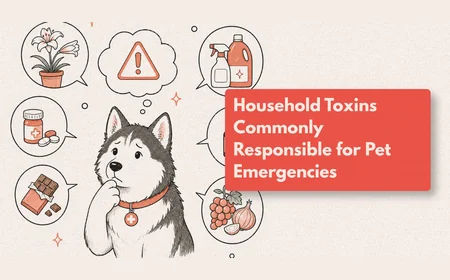
The same logic applies to poisoning. A dog that has eaten rodenticide, an organophosphate insecticide, chocolate, grapes or a human medicine looks entirely normal for the first stretch, because the toxin has not finished being absorbed. The hour in which a vet can still decontaminate the stomach and give charcoal is the hour in which the dog seems fine. By the time it looks unwell, treatment has moved from prevention to damage control.
Trauma has a version of this too. A cat hit on the road may walk away with a limp and no obvious wound, then struggle to breathe several hours later as air leaks into the chest or the diaphragm gives way. Any pet involved in a road accident needs examining the same day even if it stands up and walks.
What Should a Genuine 24-Hour Hospital Actually Have?
Opening hours are a schedule. Capability is what treats your animal. These are reasonable things to confirm about any hospital you might rely on at night.
| Capability | Why it matters at 3 a.m. |
|---|---|
| A vet and a trained nurse physically on site | Someone can act in the first minute rather than the fortieth |
| Oxygen delivery and an oxygen kennel | Breathing emergencies are managed with minimal handling |
| In-house blood counts, biochemistry and electrolytes | Potassium, glucose and kidney values change the plan immediately |
| Radiography and ultrasound available overnight | Twisted stomach, free fluid and chest injuries are confirmed, not guessed |
| Theatre that can be opened without delay | Bloat, dystocia and bleeding are surgical problems |
| Blood products or an on-call donor programme | Tick fever, trauma and clotting disorders need transfusion |
| An isolation ward | Parvovirus and distemper cases can be admitted without risking others |
| Infusion pumps and continuous monitoring | Fluids, pain relief and blood pressure are controlled rather than estimated |
A ward without monitoring is boarding, not intensive care. The practical difference is whether a drop in blood pressure at four in the morning is noticed at four in the morning.
Antivenom deserves specific mention in and around Bengaluru. Snake bites rise through the monsoon, particularly in areas backing onto scrub, lakes and construction sites. Antivenom needs to be in the building, along with the staff and the monitoring to manage a reaction to it. Asking whether a hospital stocks it is a fair question to ask on a quiet afternoon rather than on the drive in.
Why Does Overnight Monitoring Change What Happens After Surgery?
The surgery is often the straightforward part. The twelve hours afterwards decide how well it goes.
An anaesthetised animal loses the ability to regulate its own temperature, blood pressure and breathing, and those systems do not all come back at the same speed. Pain relief given at nine at night wears off by two in the morning, and a pet in uncontrolled pain has a faster heart rate, a higher oxygen demand and a worse recovery. Urine output tells you whether the kidneys are being adequately perfused, and nobody can measure it in a house.
Some cases are built entirely around the night. A cat that has just been unblocked goes through a period of passing very large volumes of urine, which can strip potassium and sodium out of the body. Fluid rates need adjusting through the night and bloods need rechecking. A parvovirus puppy needs fluids, glucose, anti-sickness treatment and nursing care at intervals of a few hours, continuously, for days. A dog recovering from bloat surgery needs its heart rhythm watched, because disturbances often appear in the hours after the stomach is repositioned.
This is also why a hospital will sometimes advise against taking a pet home in the evening when you very much want to. Read that advice as a straight clinical assessment of where the risk sits. Most of it lies in the eight hours after you would have driven away.
If overnight hospitalisation is not possible, for cost or for distance, say so plainly. A good team will give you a written plan for the night, the specific signs that mean you turn round and come back, and a realistic account of what you are accepting by going home. That conversation is far better than a silent decision.
Do Bengaluru's Heat, Monsoon and Street Dogs Change the Picture?
They change which emergencies arrive, and when.
Heat is the obvious one. The pre-monsoon weeks are the hardest on flat-faced breeds, and Pugs, Shih Tzus, French Bulldogs and Persian cats are all over-represented in heat emergencies because they cannot shift heat efficiently through panting. Heavy-coated dogs kept indoors in air conditioning and then walked at two in the afternoon are also at risk. A pet left in a parked car can reach a dangerous core temperature in the time it takes to buy groceries, even with the windows cracked and even on a mild Bengaluru afternoon.
The monsoon brings its own list. Leptospirosis spreads through water contaminated with rodent urine, which means puddles, flooded compounds and stagnant drains, and it can cause sudden kidney and liver failure in dogs. It also infects people, so a dog with unexplained fever, vomiting and yellow gums after wading through flood water is both a veterinary emergency and a household health matter. Tick numbers climb in humid weather, and tick fever can tip a dog into a severe anaemia crisis within days, sometimes needing a transfusion the same night it is diagnosed.
Rabies remains endemic in India, and that shapes what happens after any bite. If a person has been bitten or scratched, human treatment comes first: wash the wound with soap under running water for a full fifteen minutes and go to a human hospital for post-exposure prophylaxis the same day. Do not let concern for the animal delay that. The bitten or biting pet also needs assessment, wound management and a review of its own rabies vaccination record, and a 24-hour hospital can do that part at any hour.
Festival weeks are predictable in a different way. Fireworks around Diwali push frightened dogs through gates and onto roads, which is why road injuries, burns, lacerations and panic-related self-injury cluster on those nights. Knowing in advance which hospital near you is staffed overnight is a small amount of preparation that pays off exactly when the city is at its loudest.
What Should I Do in the Ten Minutes Before I Leave?
Phone first. Everything else follows from that call, because a team that knows what is coming can have oxygen flowing, blood warming, or theatre prepared before your car arrives.
| Situation | Do this on the way | Do not |
|---|---|---|
| Heatstroke | Pour cool, not iced, water over the body and keep the car air conditioning on high | Do not wrap in a wet towel, which traps heat |
| Bleeding wound | Press firmly with a clean cloth and keep pressing | Do not apply a tourniquet or remove a clot that has formed |
| Suspected poison | Bring the packet, the label, or a photograph of it | Do not make the pet vomit unless instructed |
| Seizure | Time it, clear hard objects away, dim the lights, keep hands clear of the mouth | Do not restrain the limbs or put fingers in the mouth |
| Snake bite | Keep the animal as still as possible and carry it to the car | Do not cut, suck, or tie anything around the limb |
| Breathing difficulty | Carry rather than walk, keep the carrier open to air, drive calmly | Do not hold the mouth open or force the head around |
| Suspected fracture or road injury | Slide onto a firm board or stiff bag to move the pet | Do not attempt to splint or straighten a limb |
Three further points apply to almost every case. Withhold food and water once you have decided to travel, because an anaesthetic may be needed and a full stomach adds risk. Put cats in a carrier rather than carrying them in your arms, since a frightened cat in a car park is a cat that disappears into a drain. Accept that a pet in severe pain may bite the person it loves most, so use a towel for handling and do not put your face near the mouth, however gentle the animal usually is.
Bring the vaccination card, a list of current medicines with doses, and the name of any food or supplement recently started. If there has been vomiting or diarrhoea, bring a sample in a sealed bag. Those small pieces of information shorten the diagnostic path considerably.
When Is It Safe to Wait Until Morning?
Plenty of the time. Treating every symptom as a crisis is exhausting and it is not clinically necessary.
A single vomit in a dog that is otherwise bright, drinking and comfortable can usually wait, with food withheld for a few hours. One soft stool in a pet that is eating and playing normally can wait. A mild limp in which the animal is still putting weight on the leg can usually wait a night, as long as the limb is not obviously deformed. Mild itching, a small skin lump that has not changed, a torn claw that has stopped bleeding, mild ear scratching: these are morning appointments.
The caution is that the same sign means different things in different animals. Puppies and kittens have almost no reserve and can become dangerously dehydrated or hypoglycaemic within hours of starting to vomit. Toy-breed puppies drop their blood sugar quickly if they stop eating. A diabetic pet on insulin, a cat with known kidney disease, a dog on long-term anti-inflammatory medication, a flat-faced breed and a heavily pregnant animal all need a lower threshold for being seen.
Cats deserve a rule of their own. A cat that has not eaten for a full day needs veterinary attention rather than observation, because cats mobilise fat into the liver when they stop eating and can develop liver failure on top of whatever caused the loss of appetite. Hiding, pressing against a wall, sitting hunched over water without drinking, or a sudden change in litter tray habits are all meaningful in a species that shows very little else.
The simplest working rule is this. If you find yourself awake at two in the morning searching whether something is serious, that uncertainty is itself the reason to phone. A triage conversation takes a few minutes and can honestly tell you to go back to bed.
Is Emergency Care Worth What It Costs?
Overnight care costs more than a daytime appointment, and the reasons are straightforward. A qualified vet and nurse are awake and in the building. Diagnostics are run immediately rather than batched. Consumables, oxygen, fluids, blood products and monitoring are all in use for one patient at a time. None of that is adjustable by goodwill.
What you can do is make the money work on the right things. Ask for a written estimate before treatment begins, and ask for it to be split into what is needed in the next hour and what can reasonably wait until morning or until a diagnosis is clearer. Ask what each test will change about the plan, because a test that will not alter the treatment can often be deferred. Ask what the realistic outcome looks like with the full plan, and with a reduced one. Any experienced clinician will answer those questions directly, and most would rather have the conversation than discover halfway through that the plan was never affordable.
Where a condition is severe, the prognosis is poor and the treatment would be prolonged, euthanasia is a legitimate and humane decision rather than a failure. A good emergency team will say so plainly and will not let cost pressure masquerade as a medical opinion in either direction.
The most useful preparation is unglamorous. Keep a small emergency fund or insurance for pets, know which hospital near you is genuinely staffed overnight, save the number in your phone now, and drive the route once in daylight so you are not reading a map with a sick animal on the back seat.
Frequently Asked Questions
Why does 24-hour emergency vet care matter?
Many of the conditions that kill pets develop in the evening or overnight, and several of them have a treatment window measured in minutes. A twisted stomach, a blocked bladder, heatstroke or a seizure that will not stop all worsen while a closed clinic is being waited out. Round-the-clock staffing removes delay from the outcome.
How do I know whether my pet needs to be seen tonight or can wait until morning?
Breathing difficulty, pale gums, collapse, unproductive retching with a swollen abdomen, inability to pass urine, uncontrolled bleeding, a fit lasting over five minutes or any suspected poisoning all mean tonight. Being bright, comfortable, drinking and willing to eat after a single vomit usually means morning. When the two lists do not settle it, phone and describe exactly what you see.
Should I phone before driving to an emergency hospital?
Phoning is the single most useful thing you can do. The team can prepare oxygen, warm fluids, draw up emergency drugs or ready a theatre before you arrive, which saves the minutes that matter most. The call also allows proper triage, so a case that can safely wait is not driven across a city at midnight for nothing.
Can I give my dog paracetamol or ibuprofen until we reach the vet?
Human painkillers are among the most common causes of avoidable poisoning seen in practice. Paracetamol damages red blood cells and the liver and is extremely dangerous to cats, while ibuprofen causes stomach ulceration and kidney injury in dogs. Give nothing by mouth, and tell the hospital about any medicine already given so treatment can account for it.
Does a cat straining in the litter tray need emergency care?
Straining with little or no urine in a male cat is one of the genuine emergencies in feline medicine. The urethra blocks, potassium rises in the blood, the heart rate slows and the bladder can rupture. Owners frequently mistake it for constipation and watch overnight. A cat producing nothing needs to be seen the same night.
What happens during the first few minutes of an emergency visit?
Triage comes before paperwork. A nurse or vet assesses breathing, circulation and consciousness, checks gum colour, pulse and temperature, and the most unstable patient is treated first regardless of arrival order. Oxygen, an intravenous catheter and pain relief are often started before any diagnosis exists. History taking and estimates follow once the animal is stable.
Why is my pet kept in hospital overnight after surgery?
Recovery carries more risk than most owners expect. Temperature, blood pressure and breathing all return at different rates, pain relief given at nine in the evening fades by the small hours, and urine output has to be measured to confirm the kidneys are being adequately perfused. Complications after abdominal surgery often announce themselves overnight, when staff can respond immediately.
Next Steps
If something on the warning lists above is happening right now, stop reading and phone a staffed emergency hospital, then travel. Withhold food and water, carry the pet rather than walking it if breathing is difficult, put cats in a carrier, and bring any suspect packet, medicine list or vaccination card with you. Where a person has been bitten or scratched, wash the wound under running water for fifteen minutes and go to a human hospital for post-exposure prophylaxis the same day.
If nothing is urgent tonight, use the quiet time well. Find out which hospital near you has a vet and nurse physically on site overnight rather than on call, save the number, and drive the route once so you know it. Review your pet's vaccination status, keep a photograph of the medicine labels on your phone, and set aside an emergency fund or arrange insurance before you need either.
Our emergency and critical care team is on site around the clock, with in-house diagnostics, imaging, oxygen support, isolation facilities and theatre available at any hour. Book an examination if your pet has a long-term condition and you would like a written night-time plan in advance, or simply phone when something changes and let us help you decide whether it can wait.