
Understanding Your Pet’s Heart & Lung Health with Cardio-pulmonary diagnostics
Heart and lung conditions in pets can develop silently and progress quickly. Early diagnosis is the key to ensuring your dog or cat receives timely treatment, breathes comfortably, and enjoys a better quality of life.
Our Cardio-Pulmonary Diagnostics Suite combines advanced equipment, expert interpretation, and gentle handling to give your pet the safest, most accurate evaluation possible.
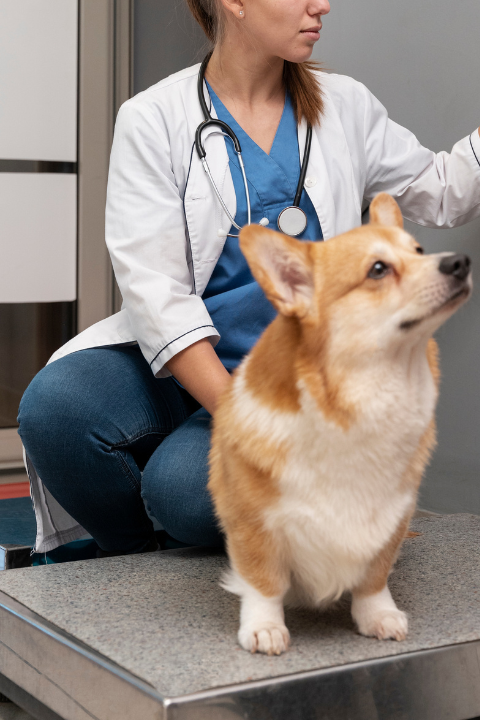

Book an Appointment

Explore Services

Clinic Near You
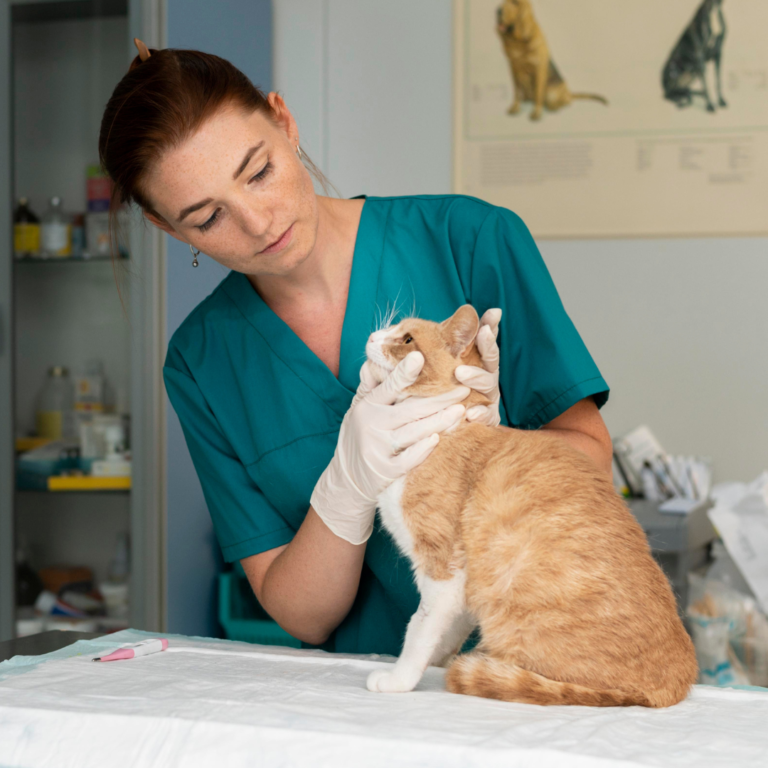
When Should You Consider Cardio-Pulmonary Testing?
Your pet may need these tests if you notice:
- Persistent coughing or noisy breathing
- Fatigue, exercise intolerance, or reduced stamina
- Fainting or collapsing episodes
- Rapid, slow, or irregular heartbeat
- Laboured breathing or panting at rest
- Heart murmur detected during a routine exam
- Senior pets with chronic illnesses (kidney, endocrine, respiratory)
- Post-surgery monitoring or chronic respiratory issues
If any of these signs appear, a thorough heart–lung evaluation is recommended.
Our Cardio-Pulmonary Diagnostic Services
We offer a comprehensive range of heart and lung diagnostic tests each designed to gather precise information for accurate diagnosis and treatment.
Electrocardiogram
(ECG / EKG)
A non-invasive test that measures the electrical activity of your pet’s heart.
Helps diagnose:
- Arrhythmias (irregular rhythms)
- Conduction disturbances
- Heart chamber enlargement
- Effects of certain medications
Quick, painless, and essential for pets with murmurs, fainting spells, or rhythm irregularities.
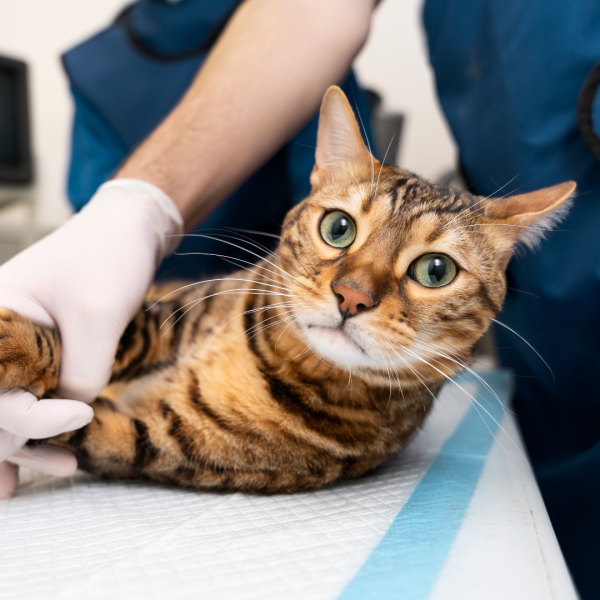
Echocardiography
(ECHO / Cardiac Ultrasound)
The gold-standard test for evaluating the heart’s structure and function in real time.
What it reveals:
- Heart chamber size
- Valve abnormalities
- Blood flow patterns
- Congenital heart defects
- Early signs of heart failure
This test is critical for pets with murmurs, chronic coughing, and suspected cardiac disease.
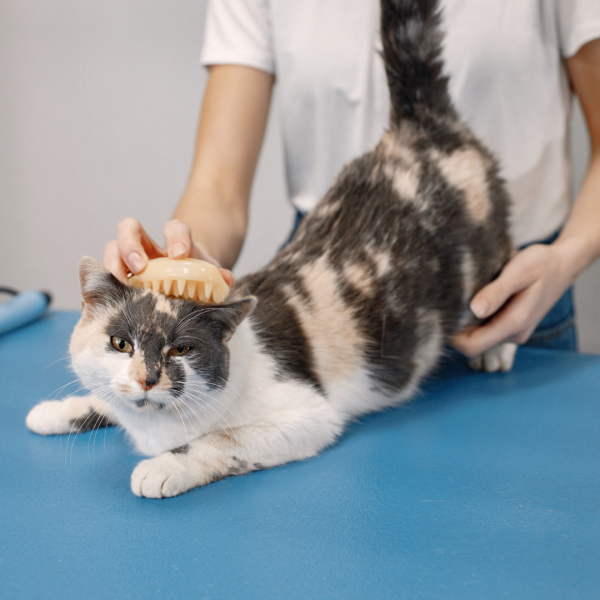
Blood Pressure
(BP Monitoring)
Hypertension (high blood pressure) is common in pets with kidney disease, thyroid disorders, and heart conditions.
Our BP monitoring helps:
- Diagnose hypertension early
- Adjust heart or kidney medications
- Prevent organ damage
- Monitor critical and senior pets
Non-invasive and stress-free for your pet.
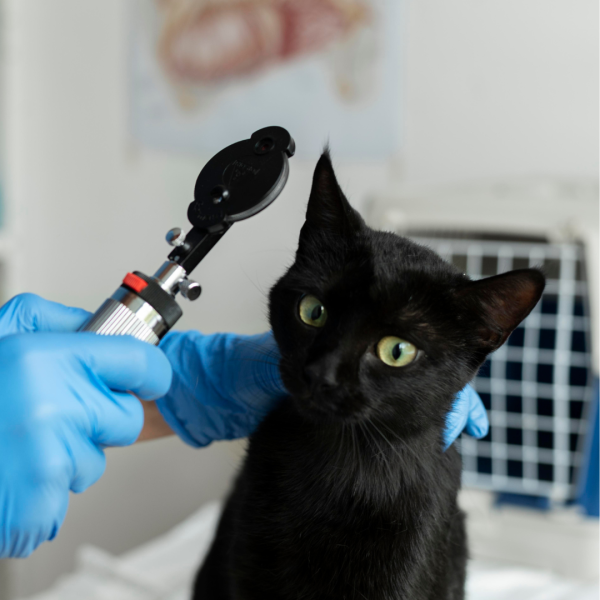
Pulse Oximetry
A simple clip-on device that measures oxygen saturation (SpO₂) in the blood.
Used for:
- Respiratory or cardiac disease
- Pets under anesthesia
- Emergency and critical care
- Tracking treatment response
Vital for ensuring your pet receives enough oxygen.
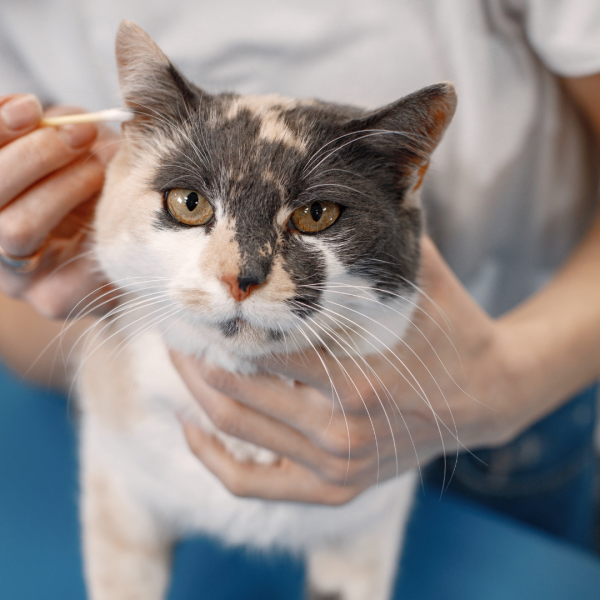
Chest X-Rays
(Thoracic Radiography)
High-resolution imaging of the lungs, airways, and heart silhouette.
Important for diagnosing:
- Pneumonia
- Asthma/bronchitis
- Lung tumors or fluid
- Heart enlargement
- Diaphragmatic hernia
Often recommended alongside ECHO for a complete cardiopulmonary picture.
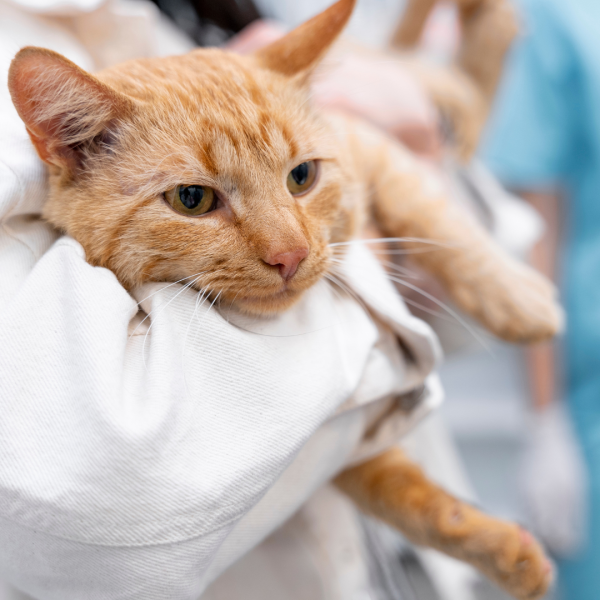
Respiratory Function Assessment
Tests that help evaluate airflow, airway resistance, and overall breathing efficiency.
Helpful for:
- Brachycephalic breeds (Pug, Bulldog, Persian)
- Chronic cough or noisy breathing
- Suspected airway collapse
(Performed based on clinical need and equipment availability.)
How These Tests Benefit Your Pet
Our cardio-pulmonary diagnostics help:
- Catch heart and lung diseases early
- Guide precise treatment plans
- Prevent emergencies through timely detection
- Monitor chronic cardiac or respiratory conditions
- Track medication effectiveness
- Improve long-term health outcomes
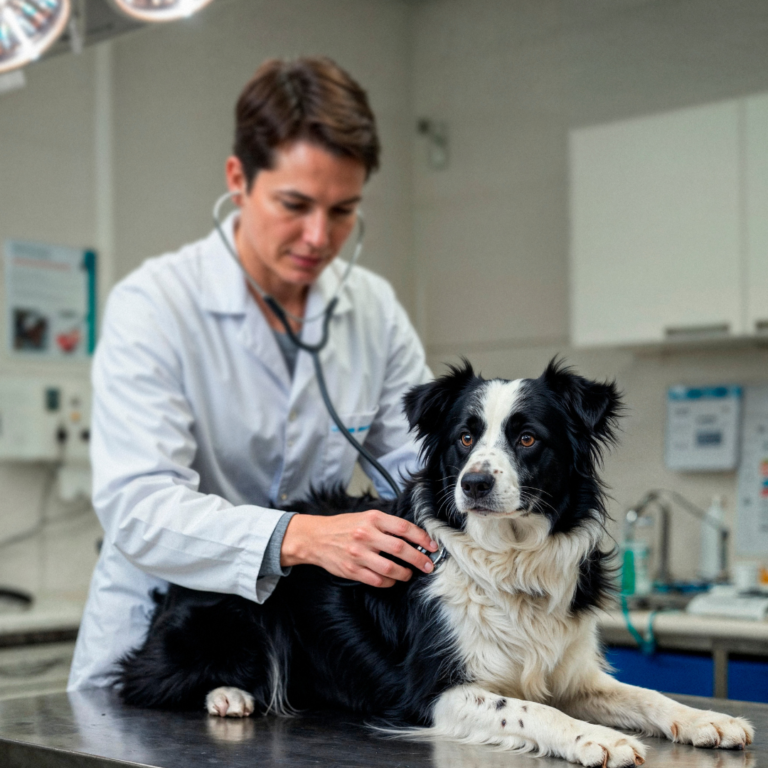
What to Expect During the Tests
We aim to keep every pet calm, comfortable, and safe.
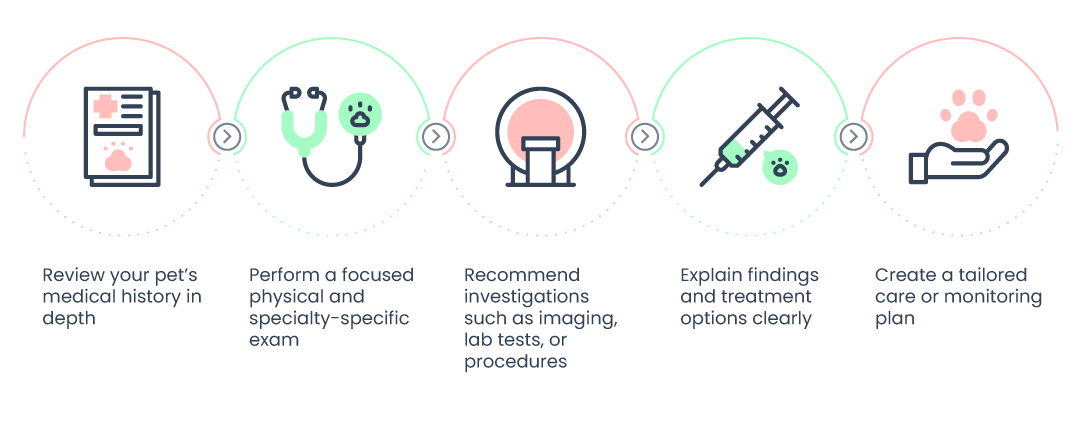
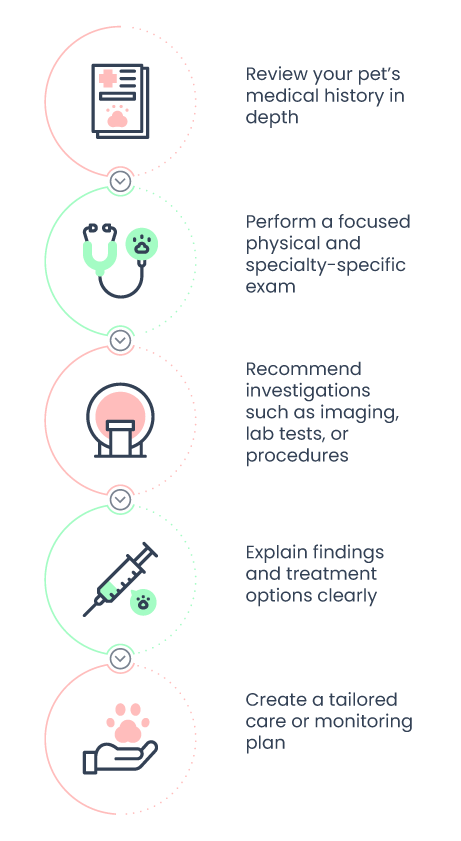
Why Pet Parents Trust Us
- Skilled veterinarians experienced in cardio-pulmonary diagnostics
- High-end ultrasound, radiography, and monitoring equipment
- Integrated lab reporting for quicker results
- Comfortable diagnostic rooms for stress-free testing
- Comprehensive follow-up guidance and long-term care planning
Your pet’s safety, comfort, and health are always our top priority.

FAQs
Are ECG and ECHO safe for my pet?
Yes. Both are non-invasive and painless. Most pets relax comfortably during testing.
Will my pet need sedation?
Rarely. Sedation is only used if a pet is extremely anxious or unable to stay still.
How long do the tests take?
ECG: 5–10 minutes
ECHO: 20–30 minutes
X-Rays: 10–15 minutes
How often should senior pets undergo heart/lung checks?
Typically once a year, or more frequently if they have diagnosed conditions.
When will I receive the results?
Most results are available the same day or within a short time frame, depending on the test complexity.
Because Every Pet Deserves Care
Different pets, different needs, all met with expertise and empathy.

Birds

Dogs

Turtles

Cats

Rabbit
Media Center
Complete Pet Care Resources from Veterinary Experts

A Legacy of Care
A Trusted Partner for Pet Parents for Over 20 Years
Fantastic team of doctors assisted by a fully trained professional, compassionate backend team. Thank you for the through investigation & treatment plan, Dr. Ramesh. You all are very much appreciated for the dedication & hard work you put in.

Meet the Experts Behind Every Lifesaving Treatment





Schedule Care Without Any Delays

Stay Tuned
Get exclusive offers, early updates, and expert pet care news delivered to your inbox.