
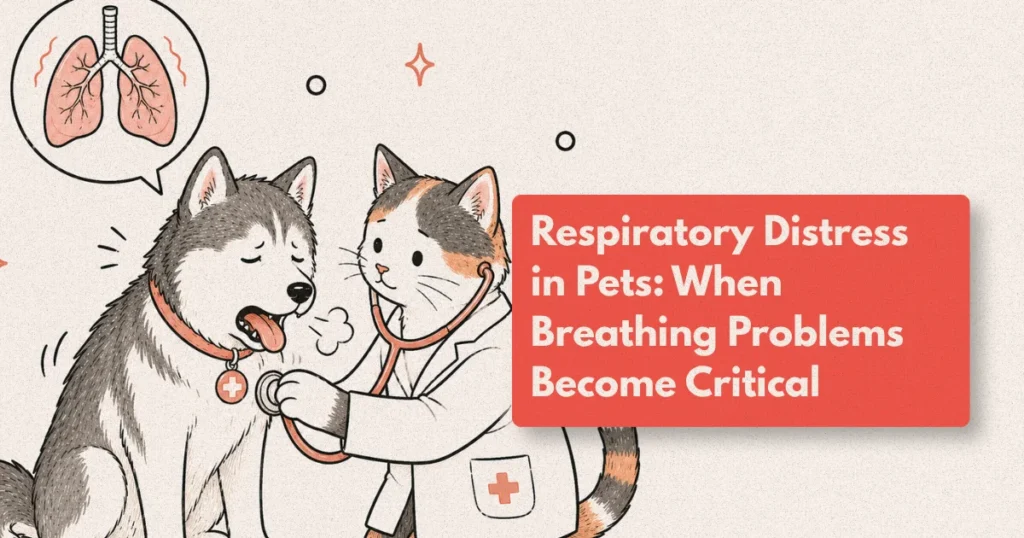
Respiratory Distress in Pets: When Breathing Becomes Critical
1 in 6 pet emergency visits involve respiratory distress (VECCS, 2024). Learn warning signs, oxygen therapy, ICU care, and cardiac causes in cats and dogs.

1 in 6 pet emergency visits involve respiratory distress (VECCS, 2024). Learn warning signs, oxygen therapy, ICU care, and cardiac causes in cats and dogs.
A dog that keeps vomiting more than once or twice a week warrants a GI workup, not just diet change. Learn when recurrent vomiting signals internal medicine disease, what endoscopy reveals, and how investigation changes outcomes.
Fast breathing in dogs is the 3rd most common emergency presentation. Learn when rapid breathing signals heart disease, pulmonary edema, or a life-threatening crisis.
A pet health checkup catches subclinical disease before signs appear. Learn what wellness screening includes at each life stage, what preventive care packages cover, and the evidence for earlier intervention.
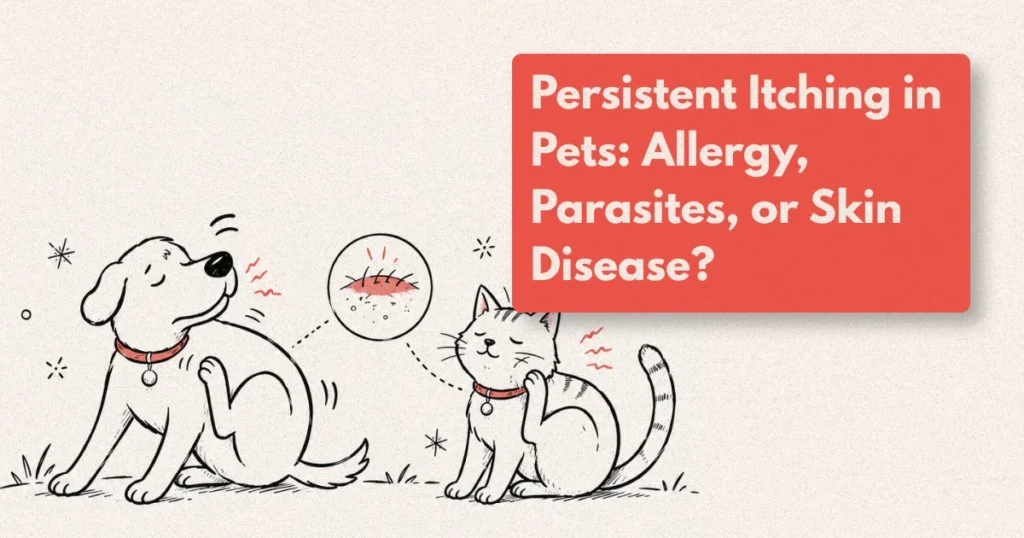
Persistent itching in pets affects 1 in 5 dogs. Learn how dermatology workups, skin testing, and grooming support separate allergies, parasites, and skin disease.

Indoor cats have different caloric and nutritional requirements from outdoor cats, yet most are fed at the wrong rate. This guide covers indoor cat diet, caloric needs, and how nutritional counselling supports long-term feline wellness.
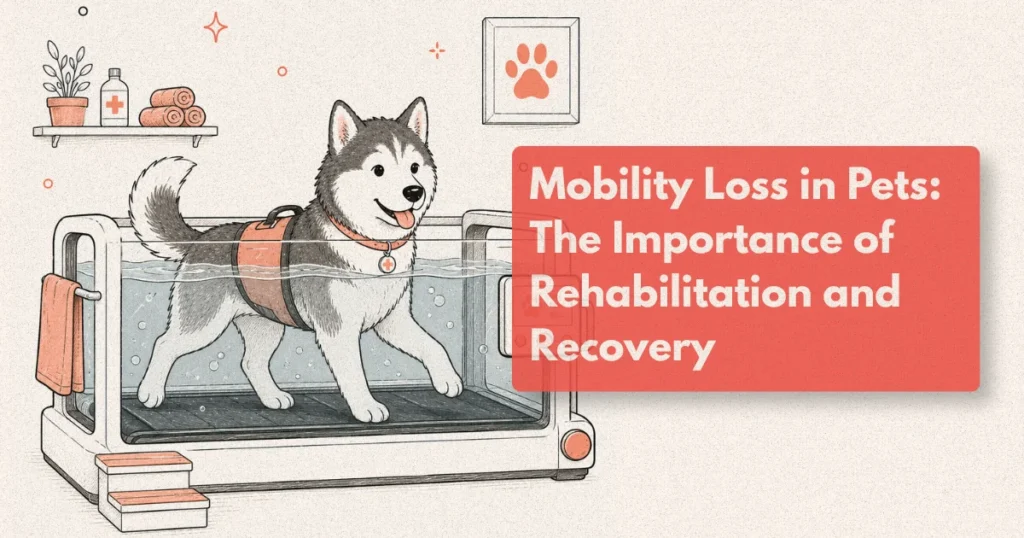
Dogs in structured rehab return to full activity 3-4 weeks faster post-TPLO. A clinical guide to hydrotherapy, physiotherapy, and recovery planning in pets.

Enrichment reduces problem behaviours in 70% of pets within 8 weeks. A guide to mental stimulation, behavioural wellness, and enrichment counselling.
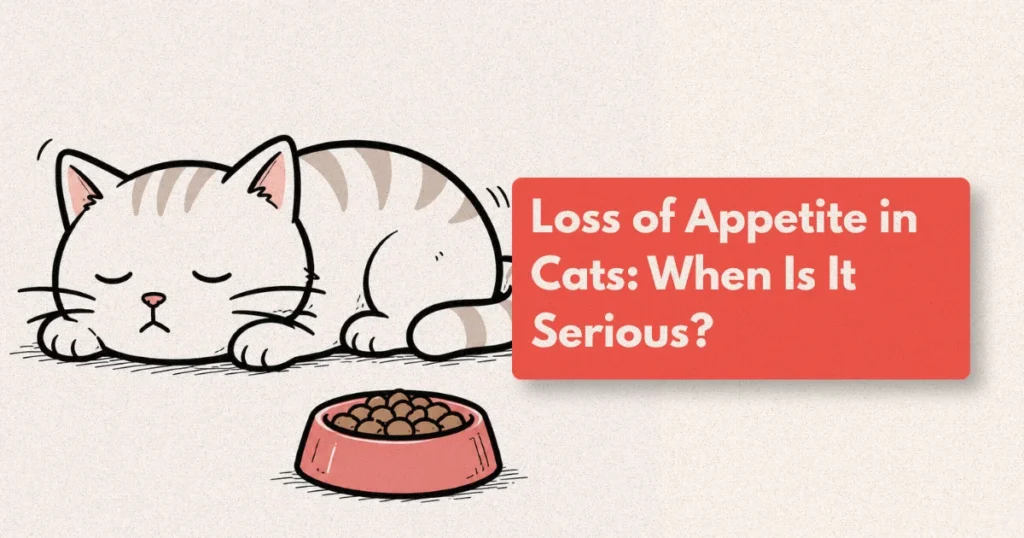
Cat not eating for 48+ hours risks hepatic lipidosis. Learn the red flags, what internal medicine diagnostics reveal, and when to act fast in feline care.
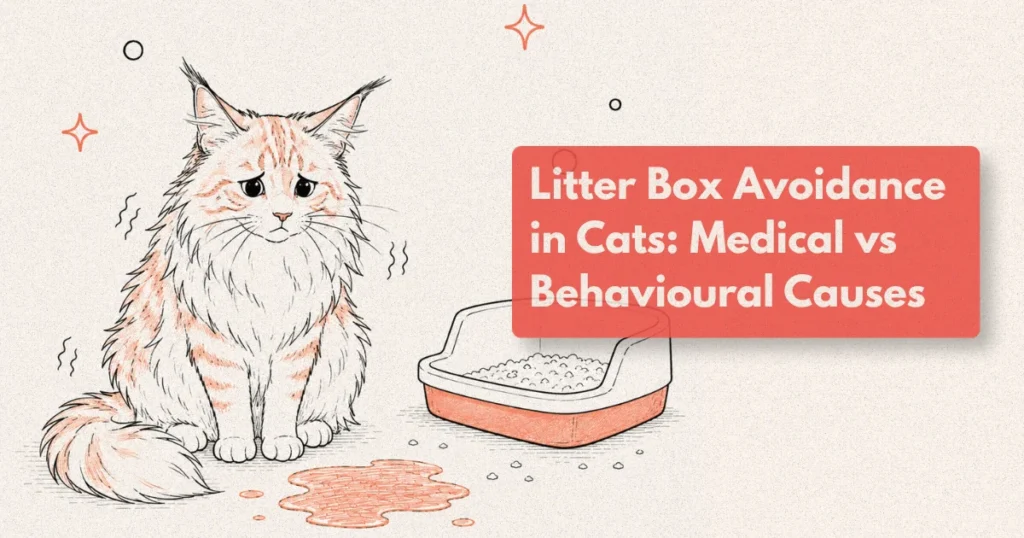
House soiling is the leading behavioural reason cats are relinquished to shelters. A clinical guide to separating medical from behavioural causes and resolving both.