
How To Recognize a Veterinary Emergency Early
ASPCA Poison Control fields over 500,000 calls a year, yet most emergencies begin with signs owners mistake for minor issues. Learn to read the signals early.

ASPCA Poison Control fields over 500,000 calls a year, yet most emergencies begin with signs owners mistake for minor issues. Learn to read the signals early.
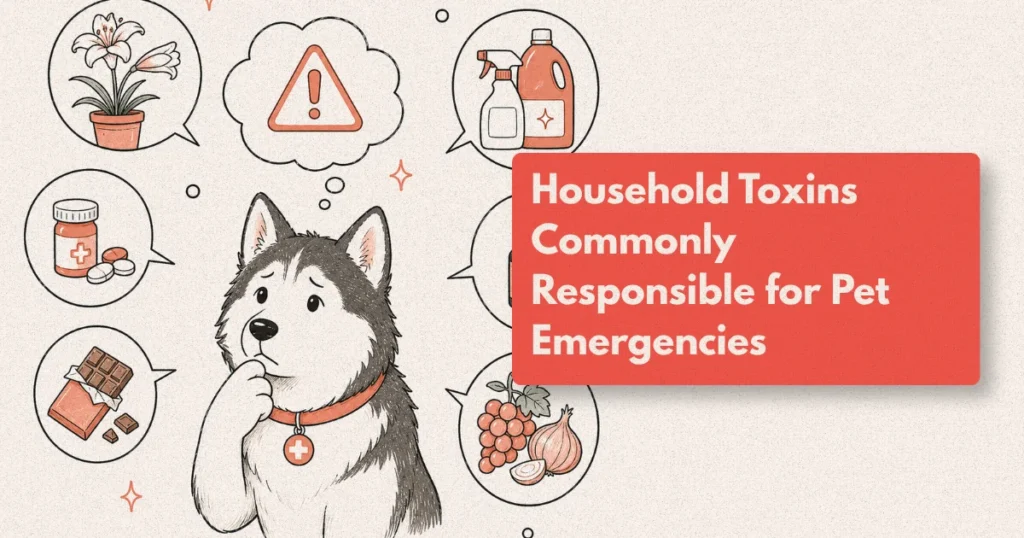
Household toxins are among the most frequent causes of veterinary emergencies in dogs and cats. This guide covers toxic foods for dogs, common household poisons, how emergency toxicology support works, and what ICU care a severely poisoned pet requires.
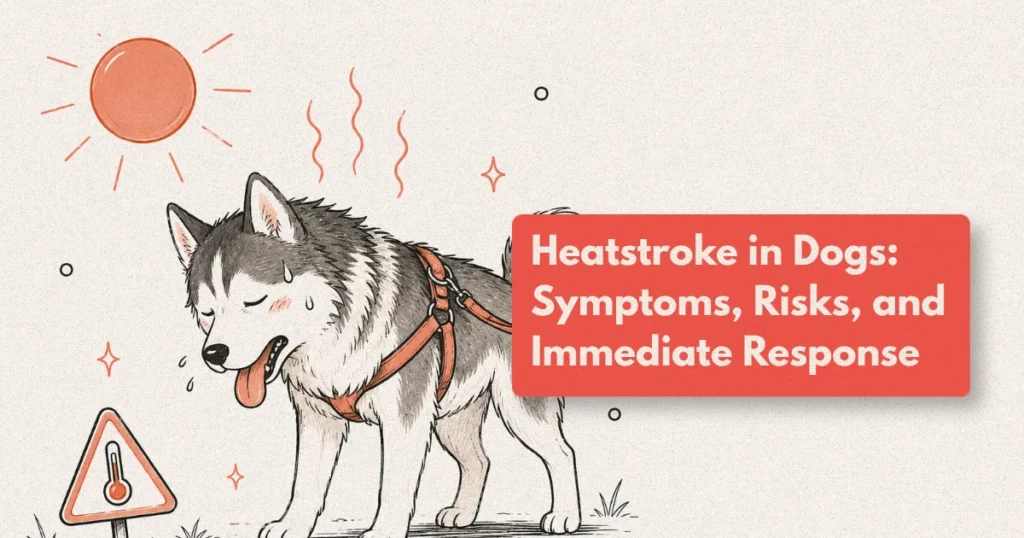
Heatstroke in dogs is a rapidly fatal emergency. Learn to recognise the symptoms, understand who is most at risk, and know the correct first-aid and ICU care steps — including fluid therapy — that determine survival.
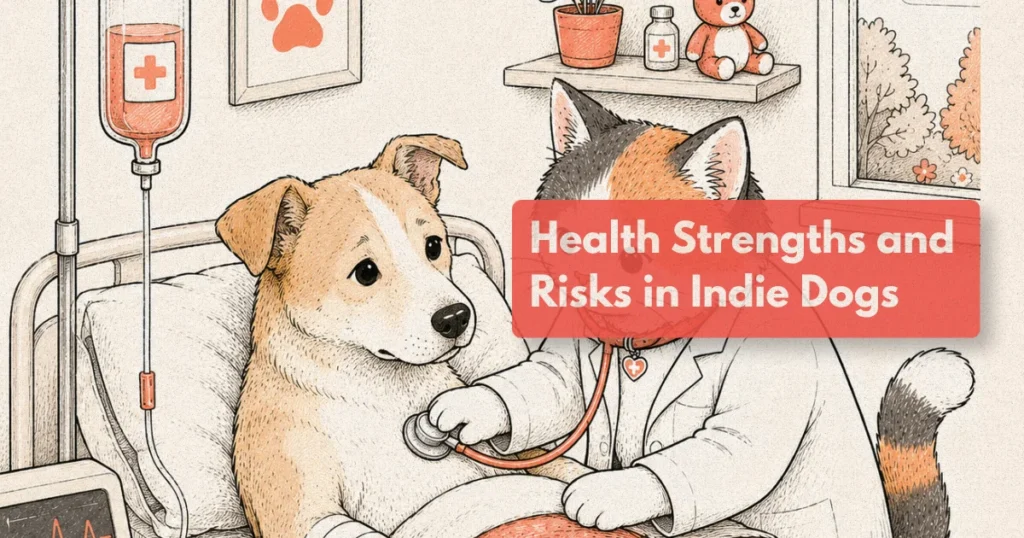
Indie dogs carry real hybrid-vigour advantages but also face breed-specific risks. A clinical guide to Indie dog health, preventive care, and wellness screening.
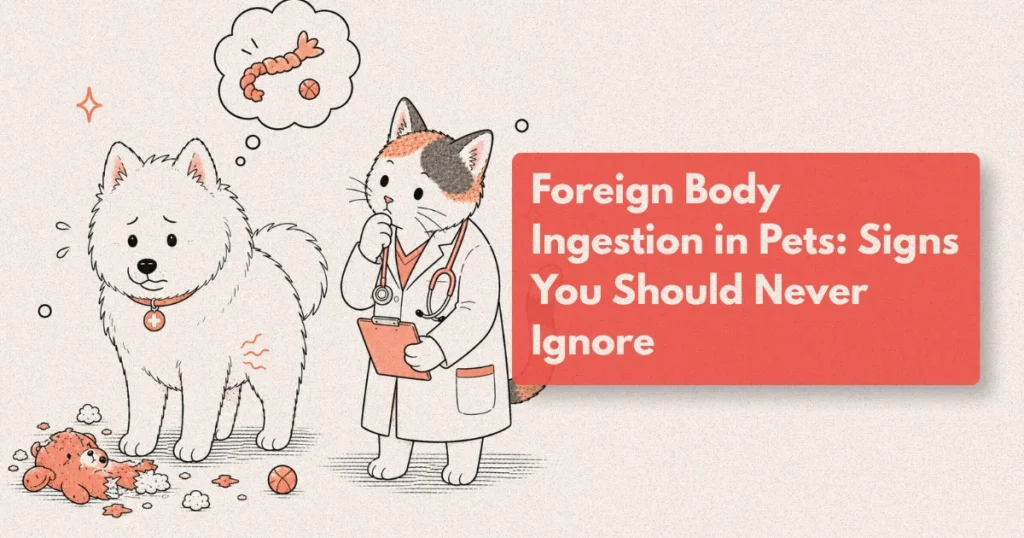
When a dog swallows plastic, fabric, bones, or other foreign objects, the outcome depends entirely on how quickly signs are recognised and treatment is pursued. This guide covers symptoms, imaging, endoscopy, and emergency surgery for pet foreign body ingestion.
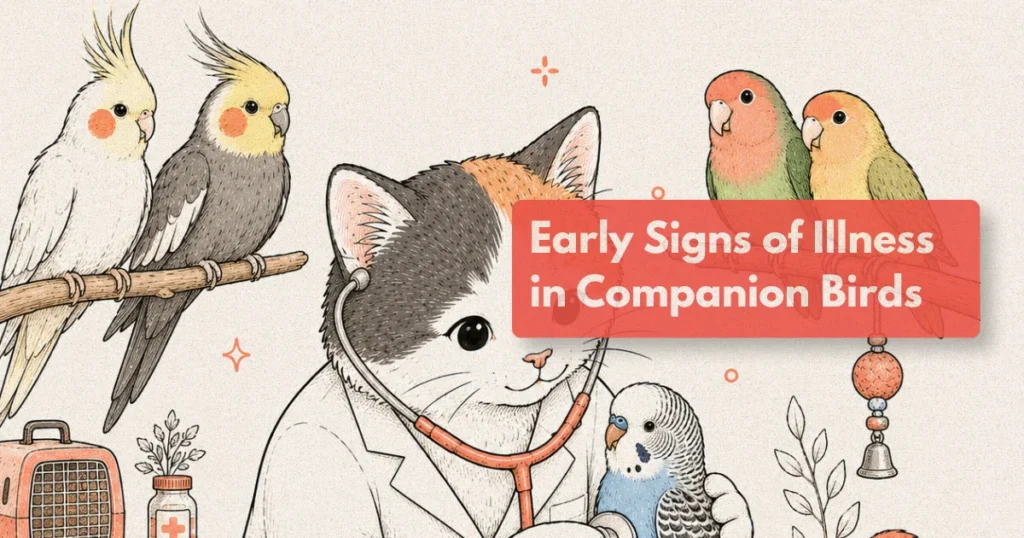
A sick pet bird may mask illness until it is critically unwell. A clinical guide to early warning signs, droppings assessment, and avian wellness screening.
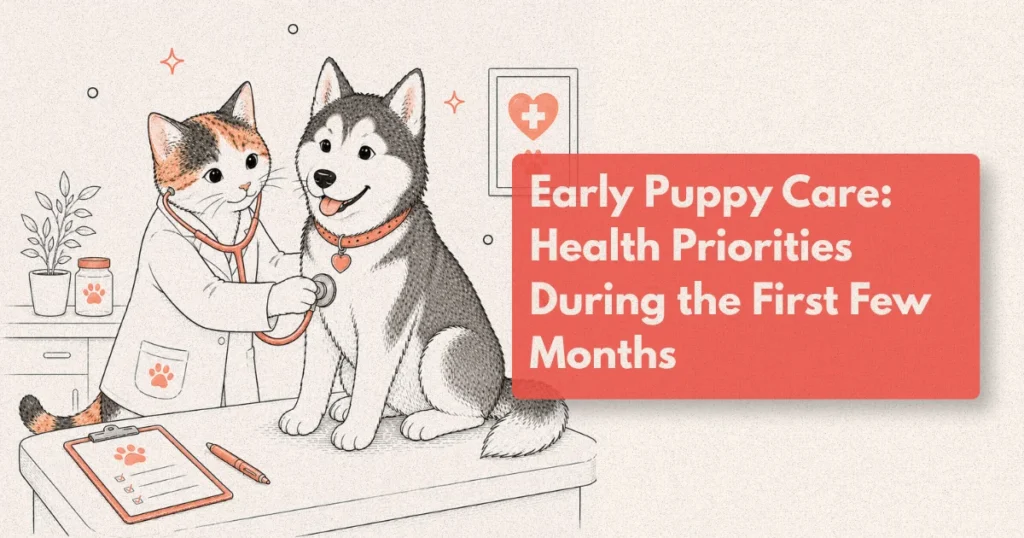
Puppies that complete a full wellness programme in their first year are 30% less likely to develop preventable disease. A clinical guide to the first few months.
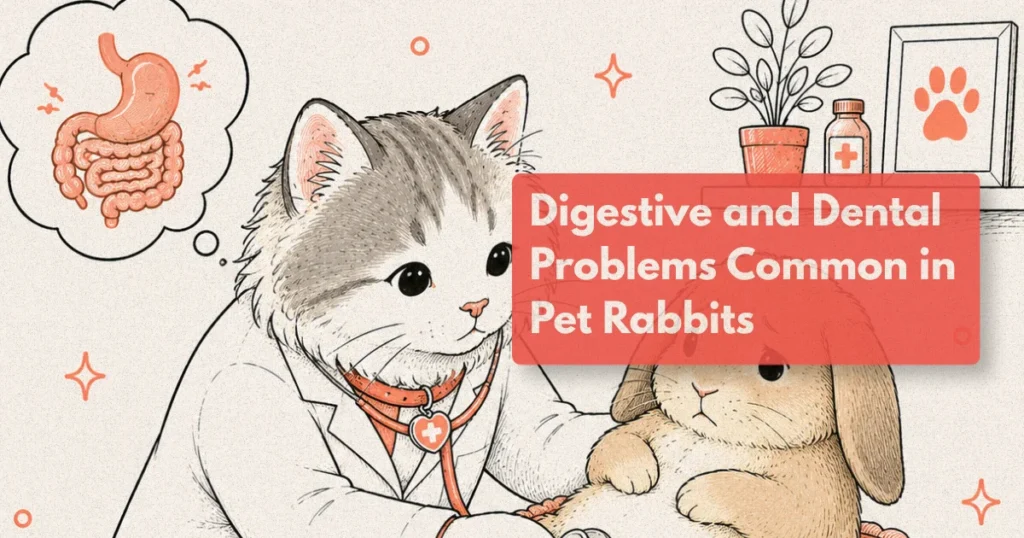
A rabbit that stops eating is a medical emergency. A clinical guide to GI stasis, dental disease, and exotic pet medicine essentials for pet rabbits.
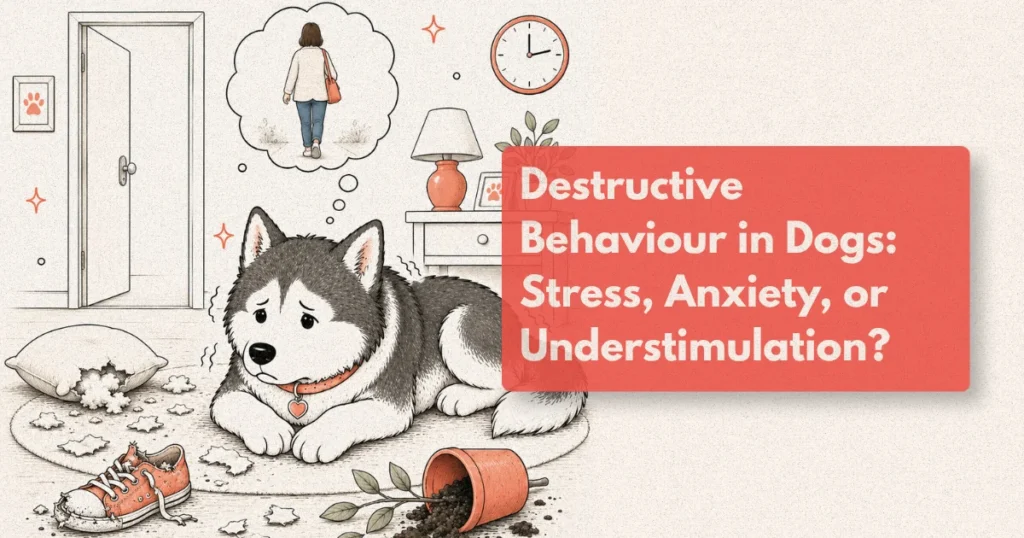
Destructive behaviour is the most common reason dogs are relinquished. A clinical guide to separating anxiety, stress, and understimulation as root causes.
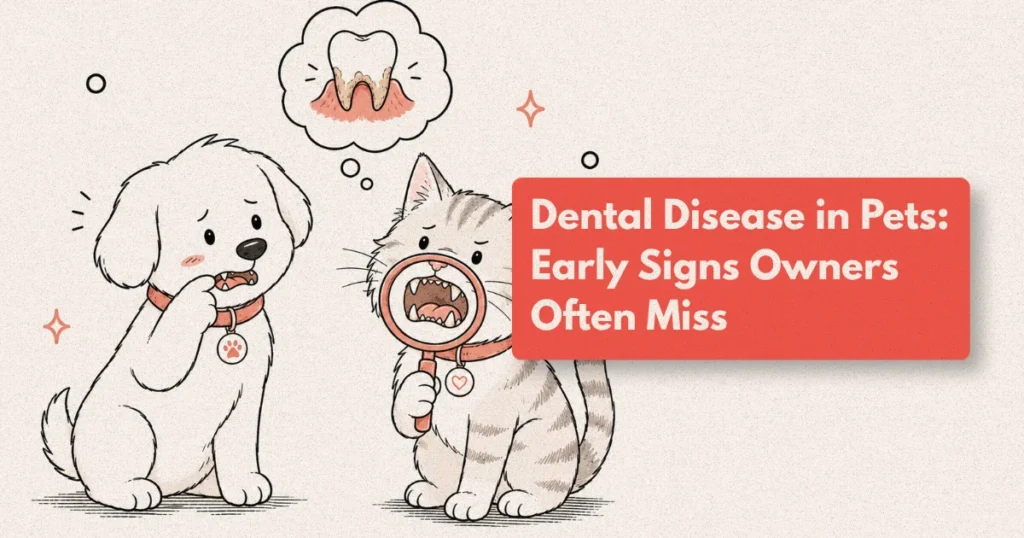
Dog dental disease is present in most pets over three years old, yet the early signs are consistently missed. This guide covers what to look for, what veterinary dentistry involves, and why dental scaling under anaesthesia is the standard of care.