
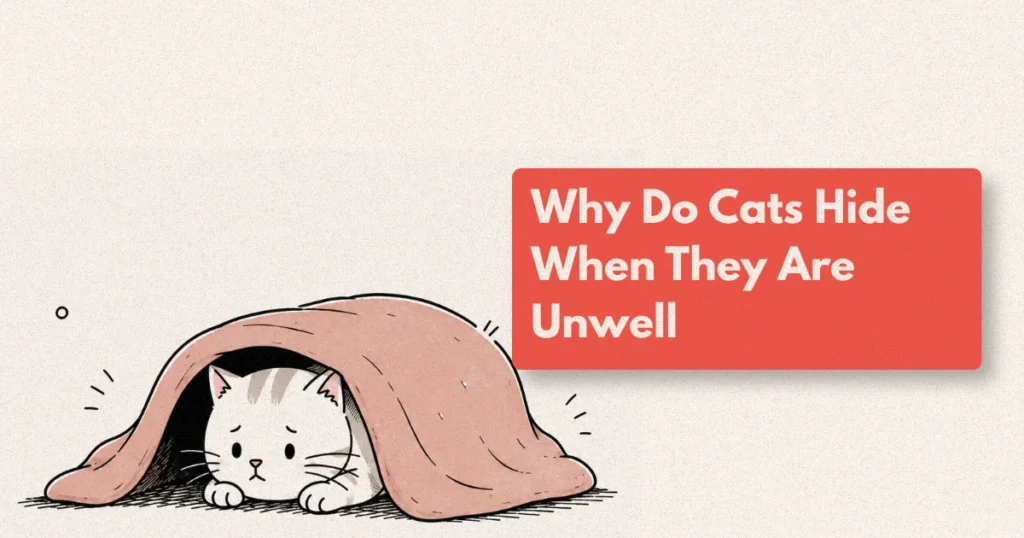
Why Cats Hide When They Are Unwell
Cat hiding suddenly affects up to 30% of sick cats before any other sign appears. Learn the instinct behind it, which illnesses cause it, and when a feline wellness evaluation is urgent.
Cat hiding suddenly affects up to 30% of sick cats before any other sign appears. Learn the instinct behind it, which illnesses cause it, and when a feline wellness evaluation is urgent.
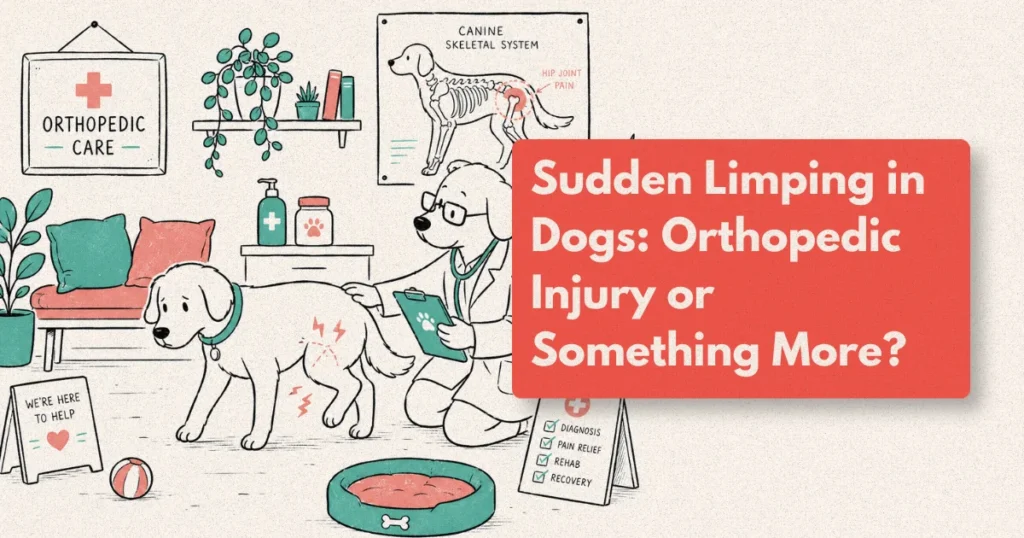
Sudden limping in dogs may signal CCL rupture or tick disease. Learn how digital X-rays identify the cause and how structured rehab cuts recovery time by 30 to 40%.
Dog seizure symptoms range from subtle pre-ictal staring to full convulsions. Learn the early warning signs, common and serious triggers, when ICU monitoring is required, and what neurological imaging reveals.
A dog that keeps vomiting more than once or twice a week warrants a GI workup, not just diet change. Learn when recurrent vomiting signals internal medicine disease, what endoscopy reveals, and how investigation changes outcomes.
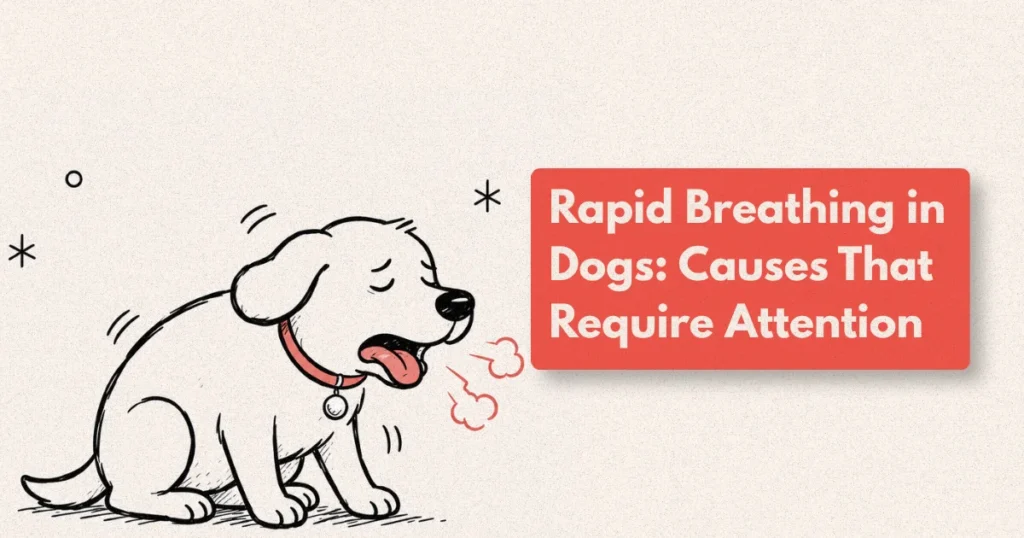
Fast breathing in dogs is the 3rd most common emergency presentation. Learn when rapid breathing signals heart disease, pulmonary edema, or a life-threatening crisis.
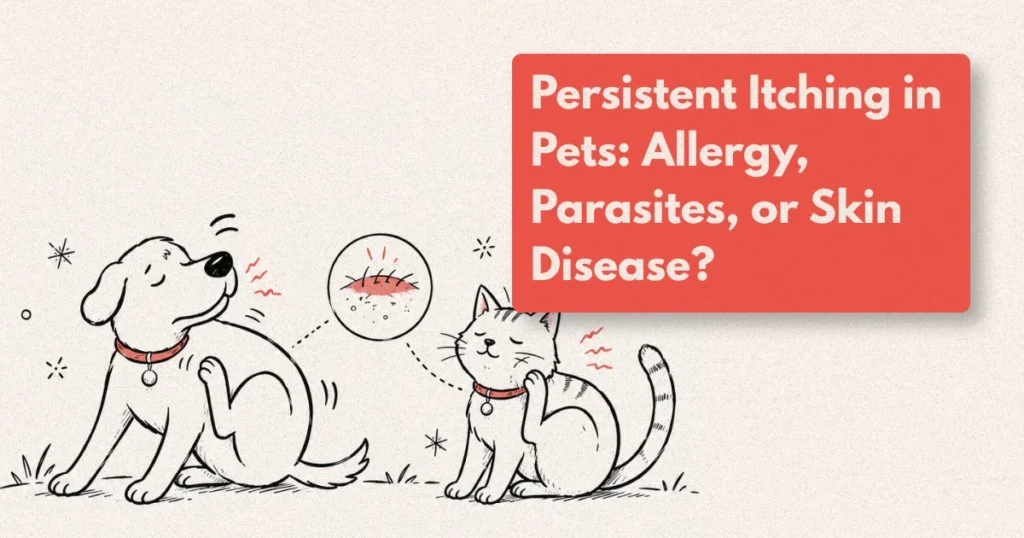
Persistent itching in pets affects 1 in 5 dogs. Learn how dermatology workups, skin testing, and grooming support separate allergies, parasites, and skin disease.
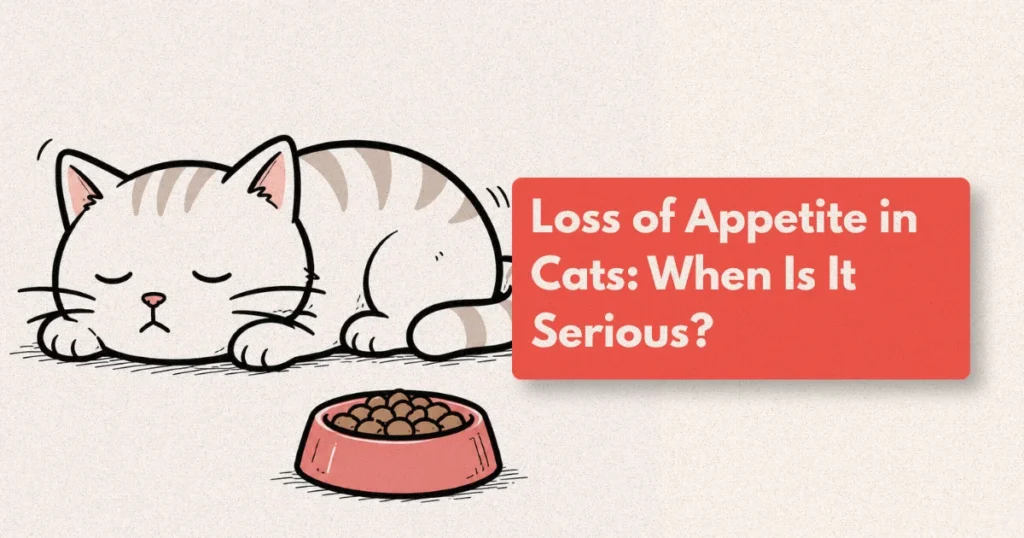
Cat not eating for 48+ hours risks hepatic lipidosis. Learn the red flags, what internal medicine diagnostics reveal, and when to act fast in feline care.
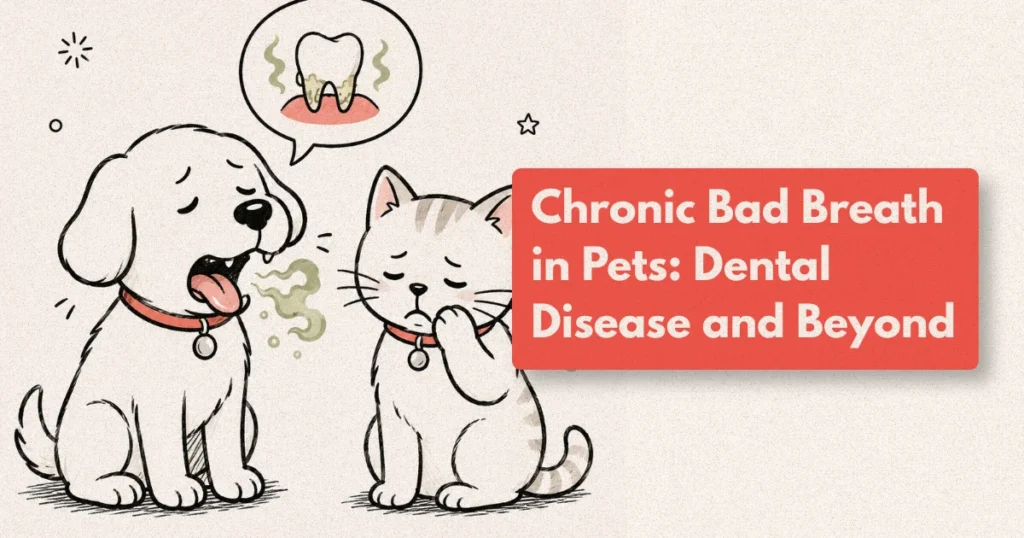
Bad breath in dogs and cats is the most commonly reported sign of dental disease, affecting over 80% of pets by age 3. Learn what causes it, what an oral examination reveals, and when scaling is needed.
Blood in dog or cat stool affects up to 15% of pets annually. Learn what hematochezia vs. melena means, which causes are urgent, and how GI diagnostics identify the source.
Acute vomiting in dogs causes up to 15% of emergency vet visits. Learn what’s behind it, from bilious vomiting to GDV, and which red flags need urgent care.