



Speciality Hub · Oncology
Expert cancer care backed by advanced diagnostics
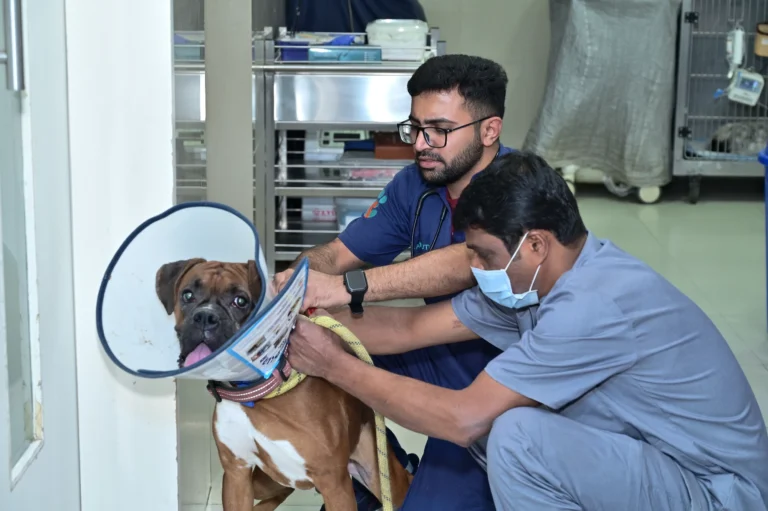
A cancer diagnosis can feel overwhelming, but with the right information and care many pets go on to enjoy comfortable, meaningful lives. We focus on early detection, accurate diagnosis and a treatment plan that puts both length and quality of life first.
Collapse, pale gums or heavy bleeding?Call +91 76763 65365

Signs to watch for
Recognising the signs of possible cancer
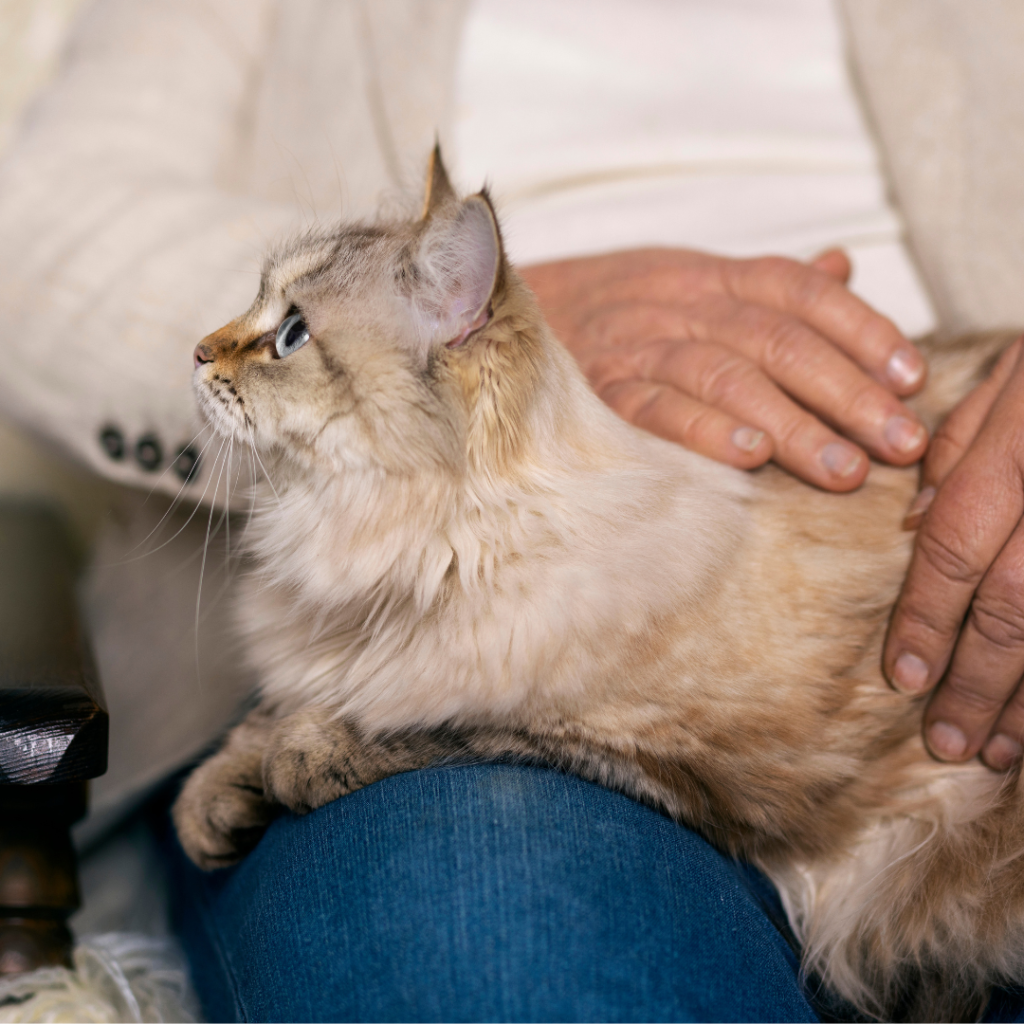
Cancer in pets doesn't always show dramatic symptoms. It usually begins with small changes that slowly get worse, and the earlier they're checked, the better the chance of successful treatment. Your pet may need oncology care if they show:
-
Lumps & wounds
- A new lump or swelling that changes over time
- Wounds that heal slowly or keep reopening
- Bleeding from the nose, mouth or rectum
-
Eating & weight
- Weight loss despite eating normally
- Less interest in food, or refusing to eat
- Ongoing vomiting or diarrhoea without a clear cause
-
Energy, breathing & movement
- Sudden tiredness or low stamina
- Difficulty breathing or a persistent cough
- Recurring limping or unexplained bone pain
Early warning signs that are easy to miss
- Lumps growing or becoming firm
- Swollen glands under the jaw, behind the knees or near the shoulders
- Pale gums, which can mean internal bleeding
- Weakness or collapse
- Drinking or peeing more or less than usual
- A lasting bad smell from the mouth or body
- Ongoing discharge from the eyes, ears or nose
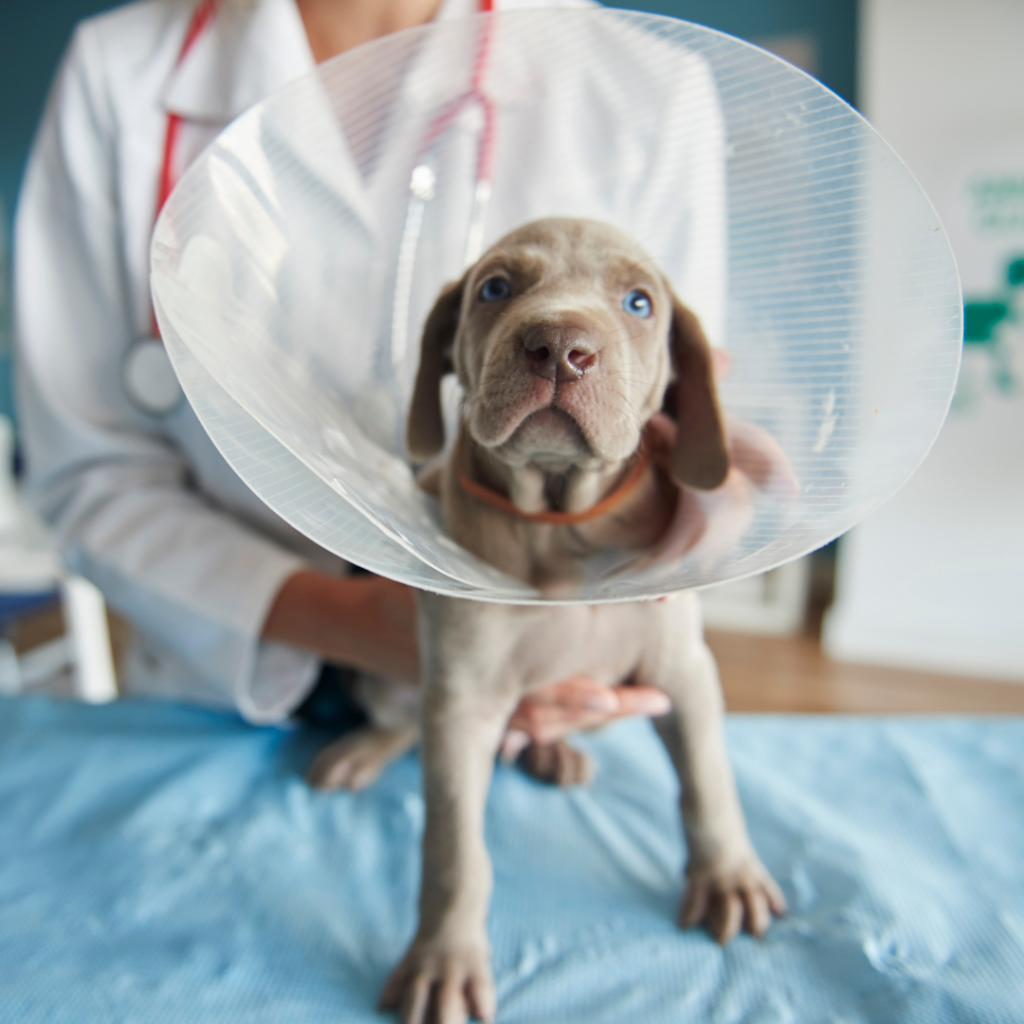
If any of these last more than a few days, have them checked. Even when the cause isn't cancer, finding it early always helps.
What we treat
Cancer diagnosis, staging and treatment
Successful treatment starts with a precise diagnosis and careful staging: what type of cancer it is, how far it has spread and which treatments will work best.

Imaging & staging
Staging shows whether a tumour is in one place or has spread to other organs. The stage shapes the outlook and the treatment we recommend.
Our imaging includes
- Ultrasound to find internal masses
- X-rays of the lungs, bones and abdomen
- CT scans for detailed 3D images, where available
- Lymph node checks for spread
- Blood panels to check organ function before treatment
Accurate staging means your pet gets the safest, most effective therapy.
Biopsies & cytology
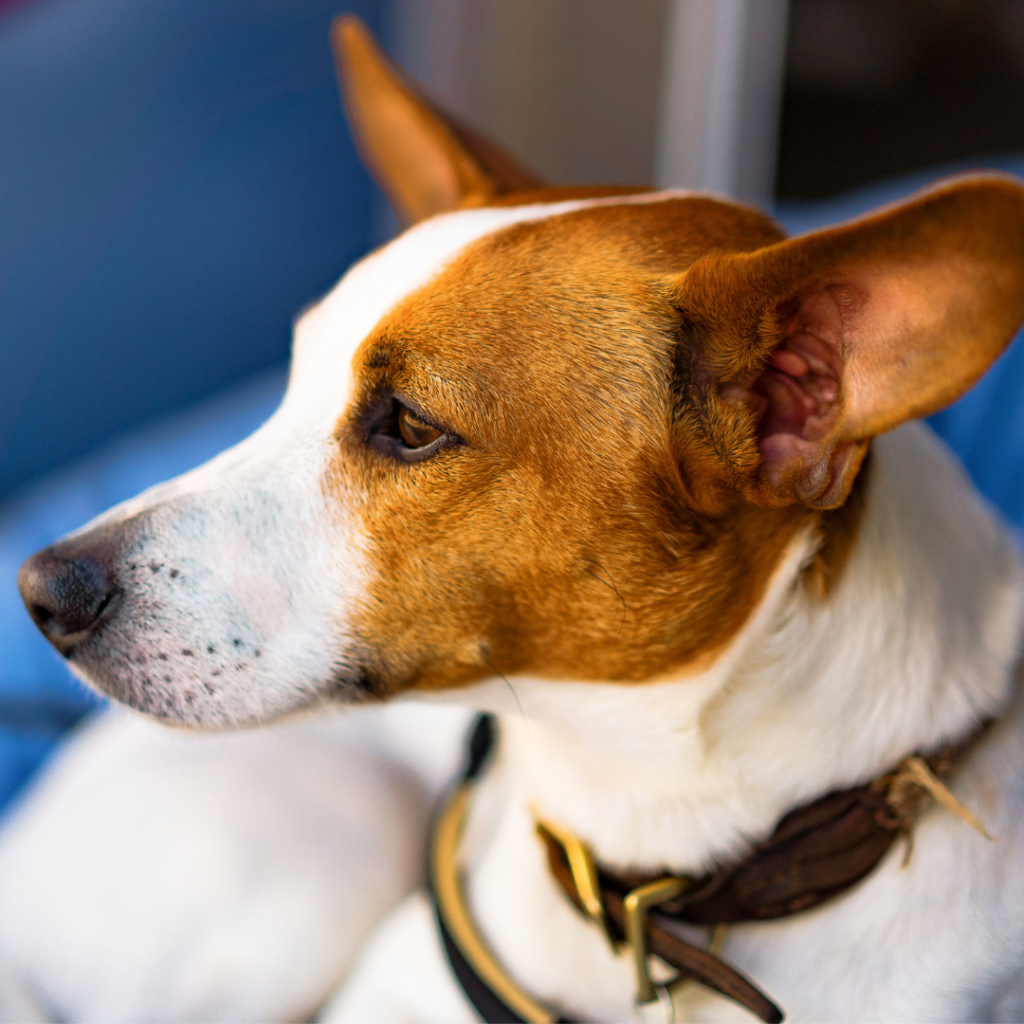
Knowing the type of cancer tells us how fast it grows, how it spreads and how it responds to treatment.
Tissue sampling includes
- Fine needle aspiration (FNA): quick and minimally invasive
- Punch or wedge biopsies for skin and surface tumours
- Surgical biopsies for internal or complex tumours
- Full pathology review for grading
These results are the foundation of the treatment plan.
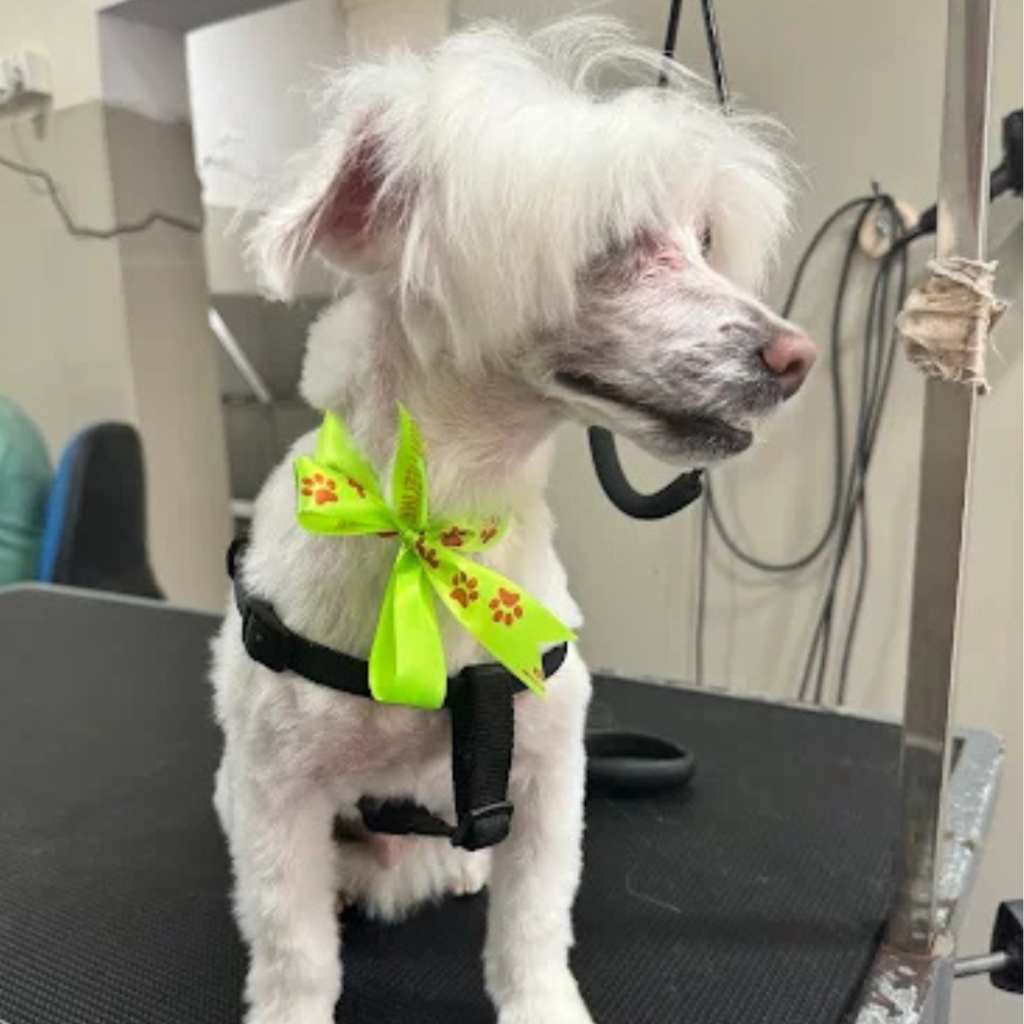
Chemotherapy
Chemotherapy for pets is very different from chemotherapy for people: the goal is a good quality of life throughout treatment.
We offer
- Protocols suited to the cancer type (such as lymphoma or mast cell tumours)
- Doses adjusted for breed and age
- Medicines to prevent nausea and pain
- Close monitoring for safety
Most pets cope with chemotherapy very well, and side effects, when they happen, are usually mild.

Surgical oncology
Removing a tumour early, with clear margins, can greatly improve survival and lower the chance of it coming back.
Our surgery covers
- Lump and mass removal
- Wide excisions for aggressive or high-risk tumours
- Reconstructive surgery when needed
- Emergency removal of bleeding or ruptured masses
- Debulking to relieve pressure and improve comfort
Every operation is done with careful anaesthetic monitoring and sterile protocols.
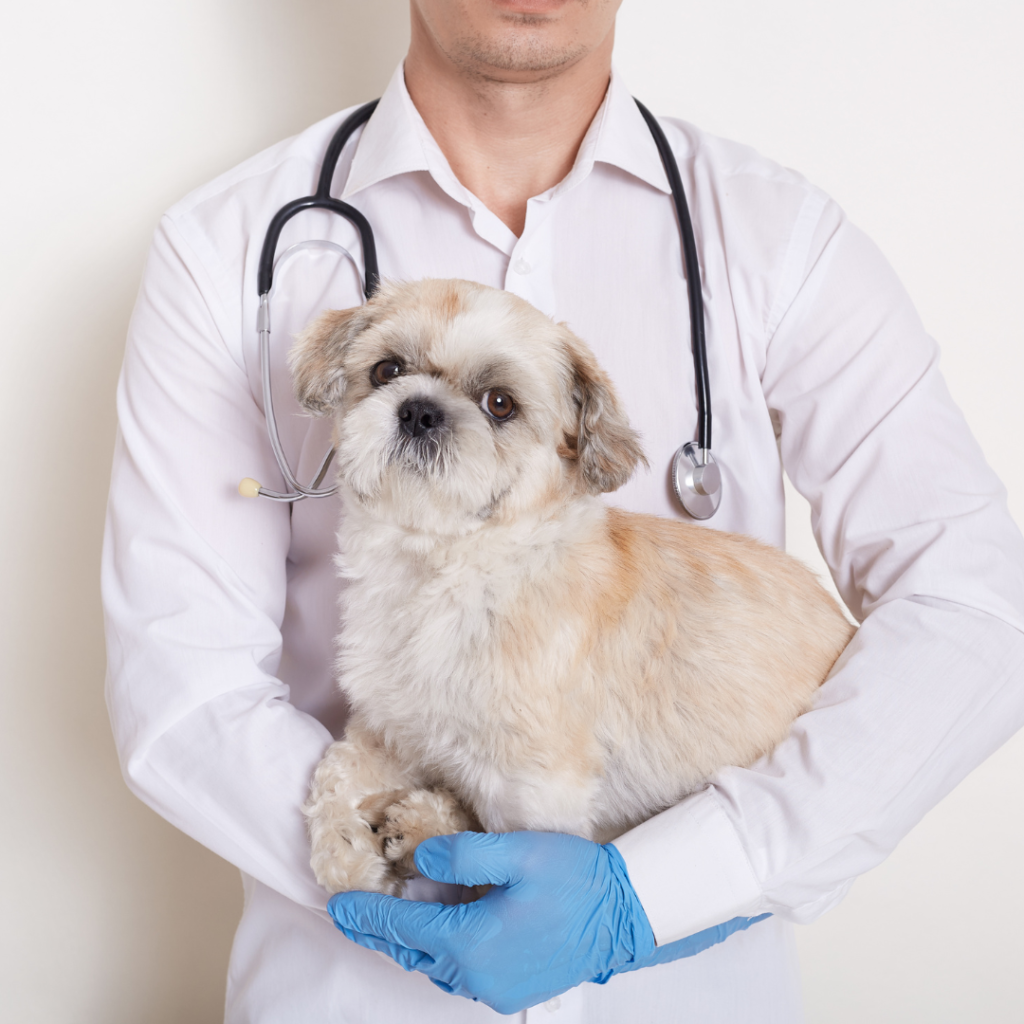
Palliative & supportive care
Not every cancer can be cured, but with personal palliative care pets can still live happy, comfortable lives.
We provide
- Advanced pain management
- Appetite stimulants
- Nutrition plans
- Anti-nausea medicines
- Mobility support and home-care advice
- Comfort and changes at home to reduce stress
Palliative care is about making every day the best it can be.

Follow-up & monitoring
Cancer care doesn't end with the first treatment. We monitor your pet closely to make sure therapy keeps working and to catch changes early.
Follow-up care includes
- Repeat imaging
- Blood tests and organ checks
- Lymph node checks
- Tracking how the tumour responds
- Adjusting the treatment plan
- Home-care advice
Regular monitoring keeps your pet stable and comfortable.
Accurate diagnosis and thoughtful planning make a life-changing difference.
Why a specialist
Why choose a dedicated oncology team
We look at every part of your pet's health, from the tumour itself to organ function and lifestyle, so treatment targets the disease while protecting comfort, keeping side effects low and supporting your pet's wellbeing.
- Diagnosis firstA clear diagnosis and stage before treatment starts
- Every option explainedIncluding what each one means for comfort
- Built around your petTreatment plans tailored to your pet, not a template
- One joined-up teamSurgery, chemotherapy and supportive care planned together
- Plans that adaptRegular check-ins so care changes when your pet's needs do
Care at home
Supporting your pet's comfort and strength at home
We'll tailor home care to your pet's condition, energy and comfort. The right steps at home reduce stress, prevent complications and help your pet feel safe and loved through treatment. Home care usually involves the following.

Your home-care guide
Food & water
- Soft or high-calorie food
- Keeping them hydrated
Comfort & rest
- Keeping your pet warm, clean and comfortable
- A calm, quiet place to rest
- Gentle activity, as your pet manages
Medicines & monitoring
- Giving medicines on time, every time
- Watching appetite, behaviour and stools
- Watching for new symptoms or side effects
Call us if your pet stops eating, seems in pain or has new bleeding+91 76763 65365

Ready when you are
Book an oncology consult
Book at your nearest clinic and our team will call to confirm your slot. Bring any past test results and the medicines your pet is on; they help us start faster.