


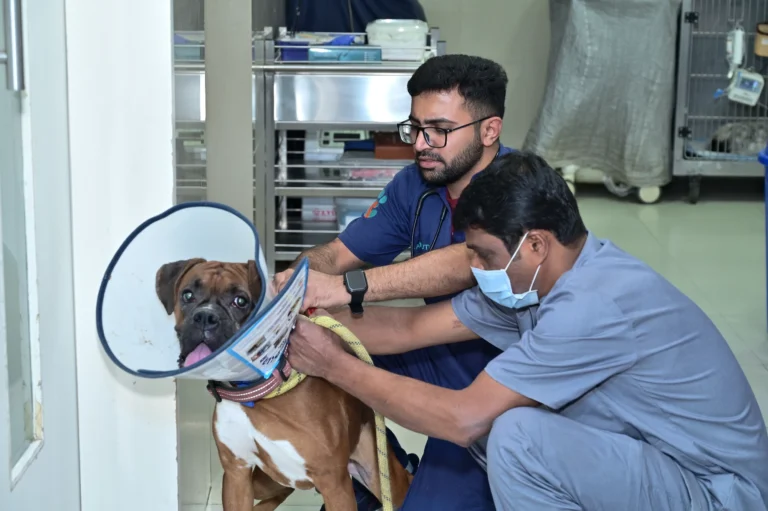

Speciality Hub · Neurology
Helping pets with brain, spine and nerve disorders
Neurological problems can affect mobility, behaviour and daily comfort. Whether the problem starts in the brain, spinal cord or nerves, we use a detailed, step-by-step approach to find it, then plan treatment that restores function and improves your pet's quality of life.
A seizure lasting over 5 minutes, or sudden paralysis?Call +91 76763 65365


Signs to watch for
When symptoms point to a neurological issue
Neurological disease can start suddenly, like a seizure, or slowly, like growing weakness or wobbliness. Early assessment helps stop it getting worse and improves the chance of recovery. Seek specialist care if you notice:
-
Seizures & behaviour
- Repeated seizures or sudden collapse
- Muscle tremors or unusual twitching
- Confusion, disorientation or personality changes
- Vision changes not caused by eye disease
-
Movement & pain
- Dragging legs or difficulty standing
- Loss of balance, head tilt or an unsteady walk
- Difficulty walking, climbing stairs or jumping
- Back or neck pain (crying when touched or picked up)
Prompt evaluation lets us diagnose conditions before they cause permanent damage.
What we treat
Diagnosis and treatment for brain, spine and nerve disorders
Complete neurological care, from evaluation to treatment and ongoing management.
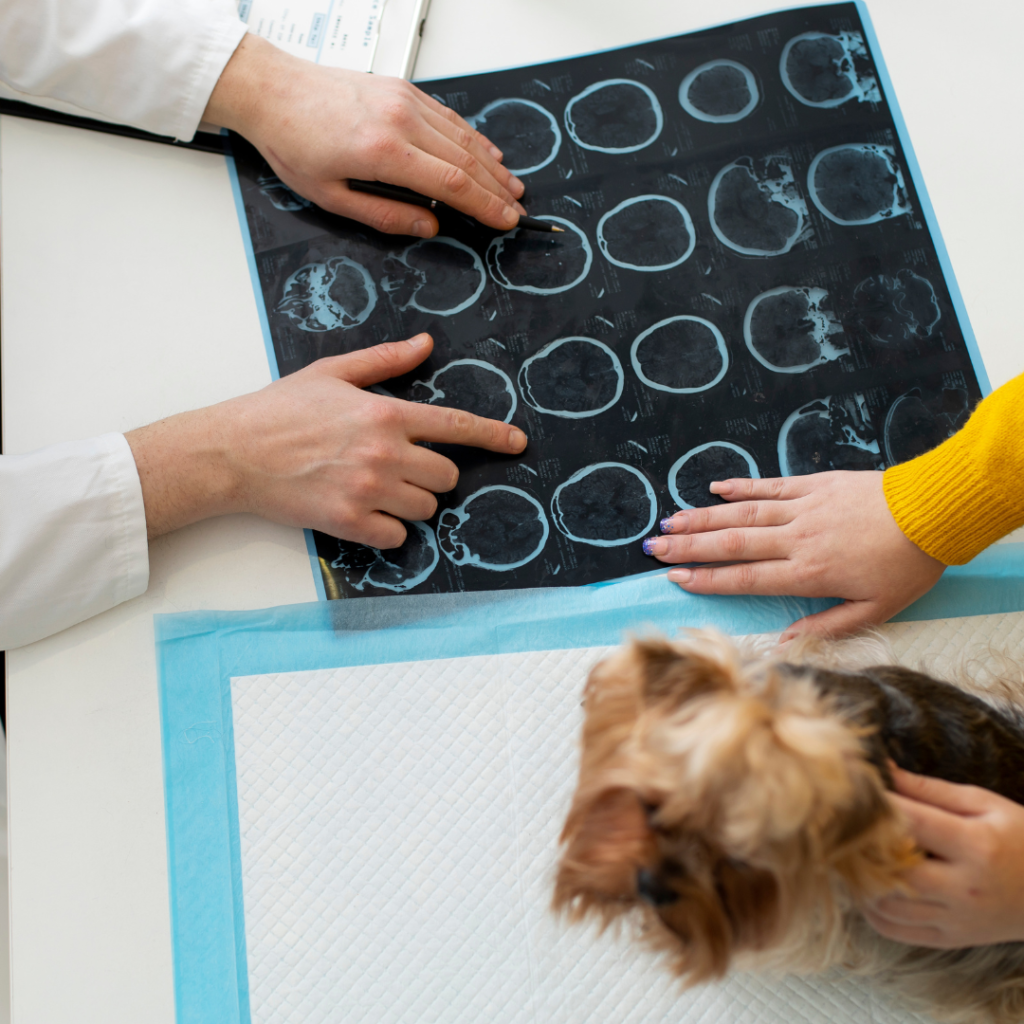
Seizures & epilepsy
Seizures are frightening, but with the right diagnosis many pets lead full, happy lives.
We provide
- Investigation into the cause (metabolic, structural, genetic)
- Anti-epileptic medication planning
- Emergency seizure stabilisation
- Long-term monitoring and dose adjustments
- Guidance on what to do during a seizure at home
We aim to reduce how often and how strongly seizures happen, while keeping your pet well.

Spinal disorders & IVDD
Spinal diseases like intervertebral disc disease (IVDD) are among the most common neurological problems in pets, especially in some breeds.
Our care includes
- Pain assessment and management
- Checks of reflexes and spinal function
- Rest and medical management plans
- Surgery, arranged when severe cases need it
- Recovery and physiotherapy guidance
Early treatment can prevent permanent nerve damage.
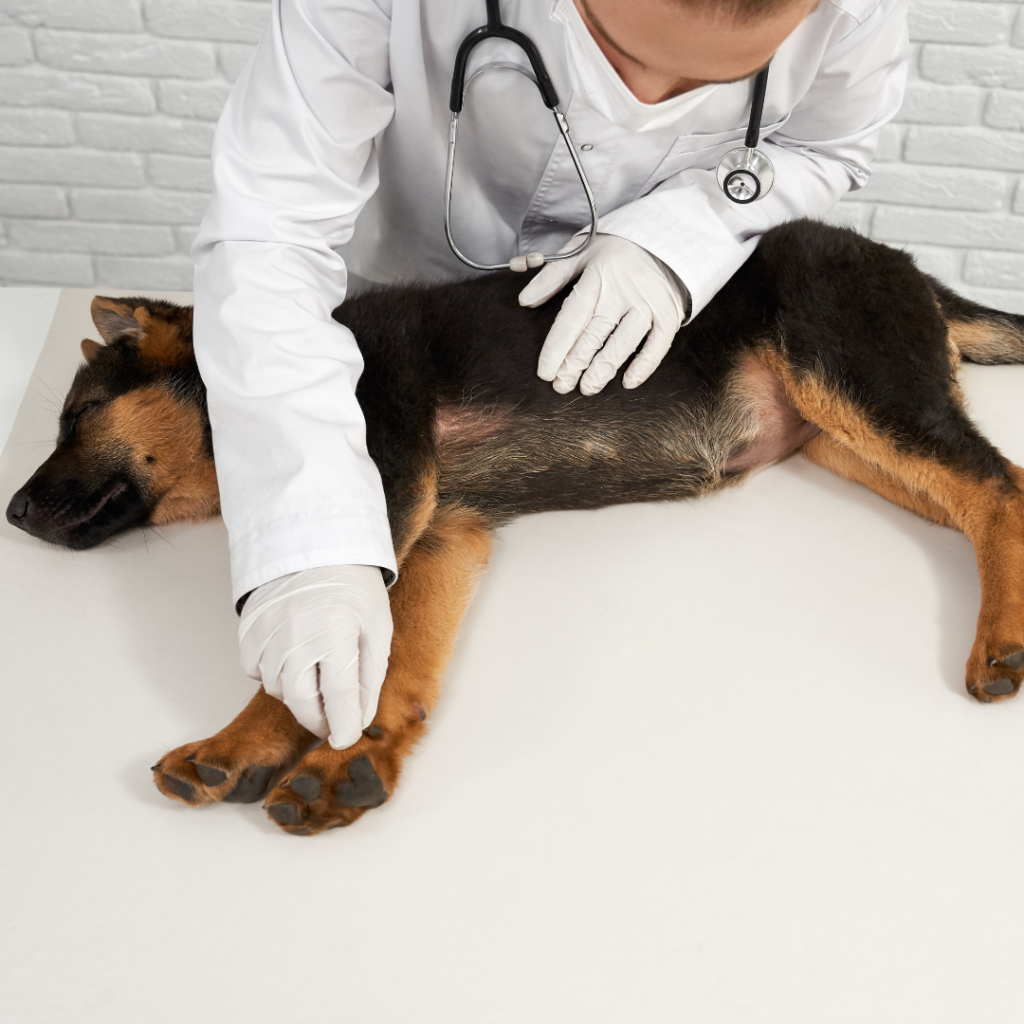
Paralysis & mobility
Sudden paralysis or growing weakness can come from spinal injury, nerve disease, toxins or immune conditions.
Our team focuses on
- Working out whether the problem is spinal, neurological or in the muscles and joints
- A treatment plan to restore mobility
- Help with bladder and bowel care if affected
- Rehabilitation advice for a faster improvement
With timely treatment, many pets recover remarkably well.

Neuromuscular disorders
Some diseases disrupt the signals between nerves and muscles, causing weakness, collapse or tiring on exercise.
We evaluate and support pets with
- Myasthenia gravis
- Peripheral neuropathies
- Nerve degeneration
- Muscle inflammation (myositis)
An accurate diagnosis means better long-term management and easier days.
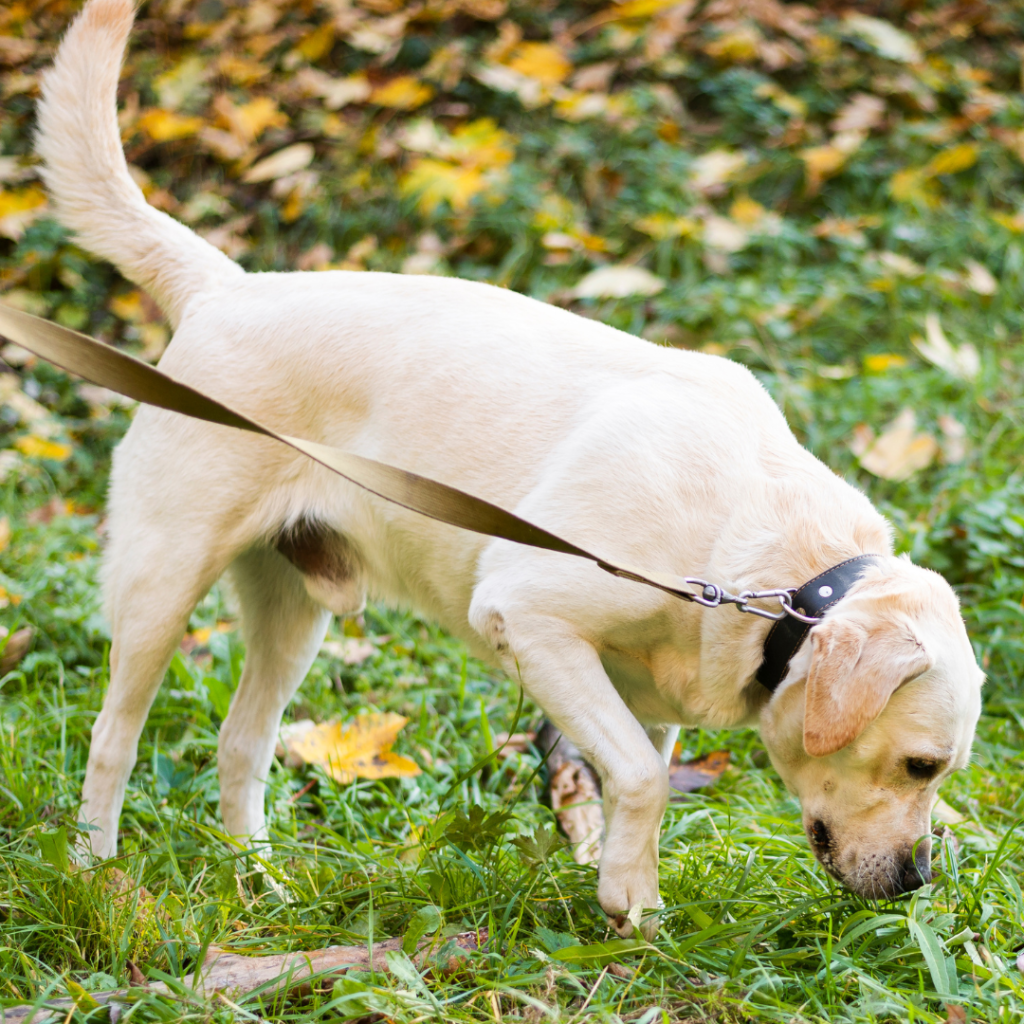
Balance & gait problems
Balance problems often appear suddenly: a head tilt, stumbling or flickering eyes.
We manage
- Old-dog (geriatric) vestibular syndrome
- Inner-ear balance problems
- Brainstem diseases
- Coordination disorders present from birth
Supportive care and targeted treatment often lead to a good recovery.

Neurology diagnostics
An accurate neurological diagnosis needs specialist evaluation.
Our tools and methods
- Full neurological examination
- Reflex and proprioception testing
- Blood and metabolic panels
- CT or MRI, arranged when needed
- Spinal fluid (CSF) analysis, where available
These tests guide the most effective treatment plan.

Specialist care brings clarity and confidence at a stressful time.
Why a specialist
Why choose a neurology specialist
Neurological disease is complex, and small differences in symptoms can point to completely different diagnoses. A specialist can:
- Pinpoint the problemBrain, spine, nerves or muscles: we find where it starts
- The right tests, earlyRecommended up front, so no time is lost
- Only what's neededNo unnecessary treatment
- A precise, personal planBuilt around your pet and your family
- Better recoveryImproved chances of recovery and fewer long-term complications
Care at home
Supporting your pet's mobility and comfort at home
Neurological conditions often need medical treatment and supportive care at home together. Simple changes make a big difference. Home care usually involves the following.

Your home-care guide
A safer home
- Non-slip mats or flooring for better grip
- Ramps instead of stairs
- Safe, well-cushioned rest areas
- Preventing falls and injuries
Movement
- Gentle, controlled exercise
- A support harness for weak back legs
Medicines & monitoring
- A medication schedule for pain or seizures
- Watching for sudden changes in mobility or behaviour
Call us straight away if a seizure lasts over 5 minutes or your pet suddenly can't walk+91 76763 65365
Meet the team
Our neurology specialists
The vets who lead our neurology cases. Each one works across our clinics.


Ready when you are
Book a neurology consult
Book at your nearest clinic and our team will call to confirm your slot. Bring any past test results and the medicines your pet is on; they help us start faster.