



Speciality Hub · Cardiology
Expert heart care for dogs and cats
Heart disease in pets often develops quietly and can progress quickly. Our cardiology team finds the cause of murmurs, irregular rhythms and breathing changes, starts the right treatment and sets a check-up plan you can keep to, so your pet breathes easier and enjoys more good days.
Struggling to breathe, pale or blue gums, or collapse?Call +91 76763 65365
Signs to watch for
When to have your pet's heart checked
Heart and lung conditions can develop silently, with only small changes at first, so it's worth acting early. Book a heart check if you notice:
-
Breathing & cough
- A cough, especially at night or after rest
- Fast or laboured breathing at rest
- Open-mouth breathing in a cat (always urgent)
-
Energy & fainting
- Tiring quickly or not wanting to walk
- Fainting or collapsing
- A heartbeat that seems fast, slow or irregular
-
Other changes
- A swollen belly
- A heart murmur found at a routine check
If any of these signs appear, a full heart and lung check is recommended.
What we treat
Diagnosis and treatment for heart conditions
From a murmur found at a check-up to heart failure, we find the cause, start treatment at the right time and keep checking.
Murmurs & valve disease
A murmur is the sound of turbulent blood flow. Some are harmless; others are the first sign of valve disease, the most common heart problem in older small dogs.
We look at
- How loud the murmur is and where it's heard
- The heart's size and shape on X-ray and echo
- How well the valves open and close
- Whether medicine should start now or later
Starting treatment at the right stage can delay heart failure in many dogs.
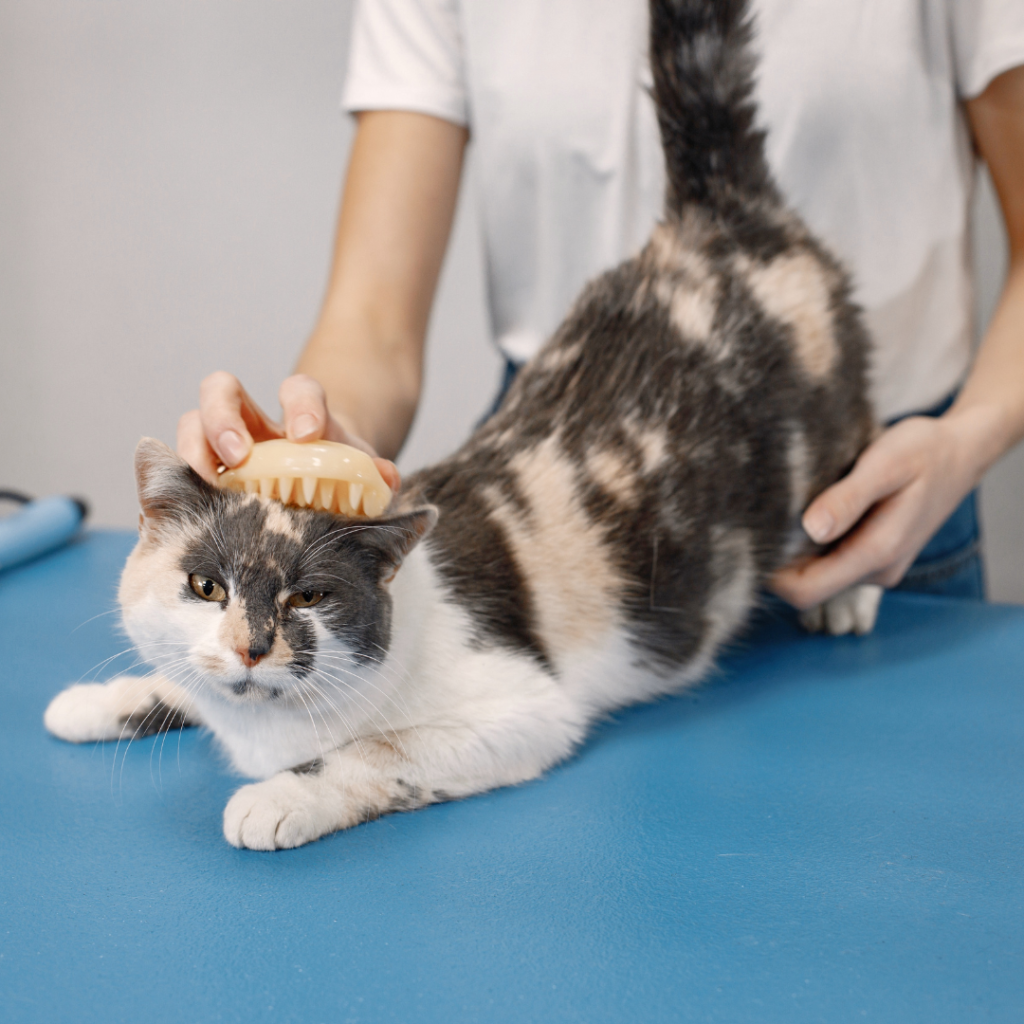
Cardiomyopathy
Cardiomyopathy changes the heart muscle so it pumps less well. Hypertrophic cardiomyopathy (HCM) is the most common heart disease in cats; dilated cardiomyopathy (DCM) affects some large-breed dogs.
Our care includes
- Echocardiography to measure the heart muscle
- Screening for breeds at higher risk
- Medicines to support the heart and prevent clots
- Regular rechecks to adjust treatment
Cats with HCM often show no signs until late, so screening matters.
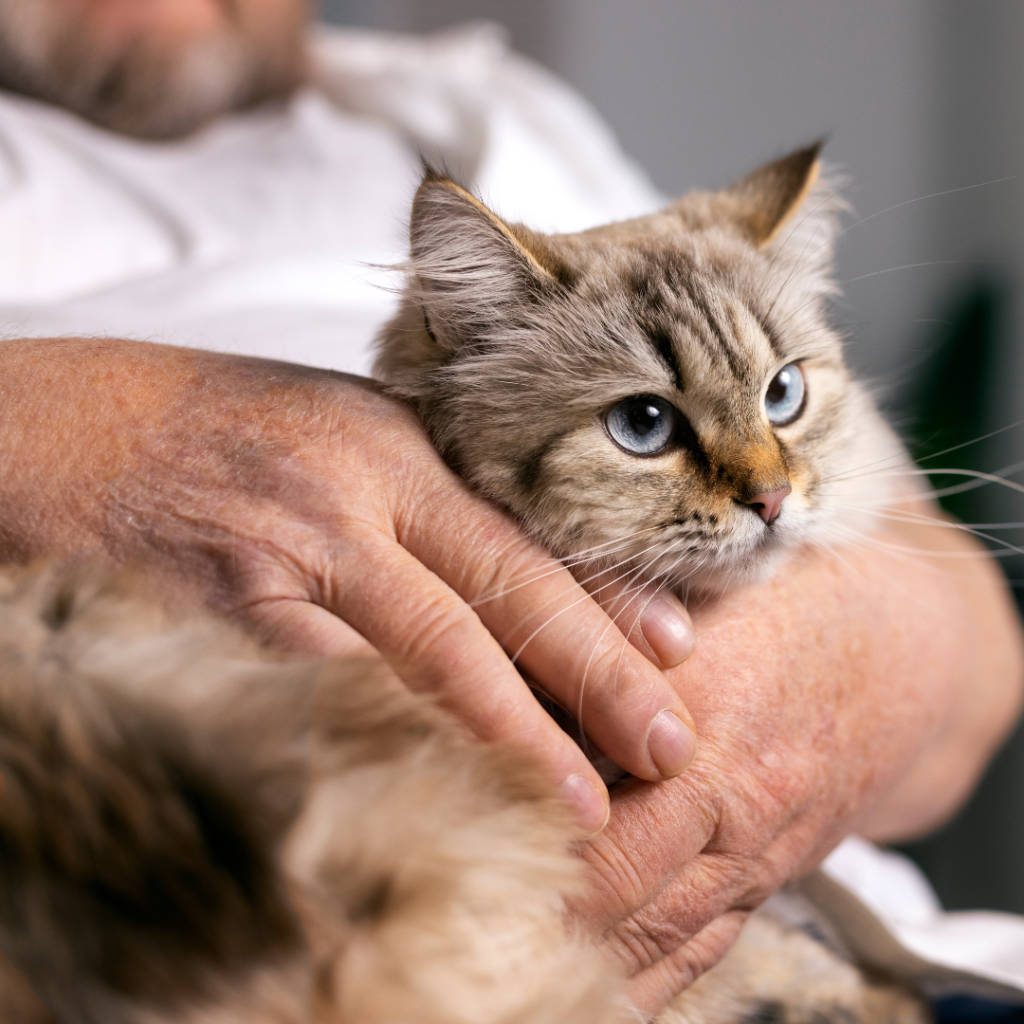
Heart rhythm problems
Arrhythmias can cause weakness, fainting or collapse, or may be found by chance at a check-up.
We use
- ECG to record the heart's electrical activity
- Longer rhythm monitoring when episodes come and go
- Blood tests to look for causes outside the heart
- Medicine to control the rhythm
Some rhythm problems only show now and then, so a phone video of an episode helps.
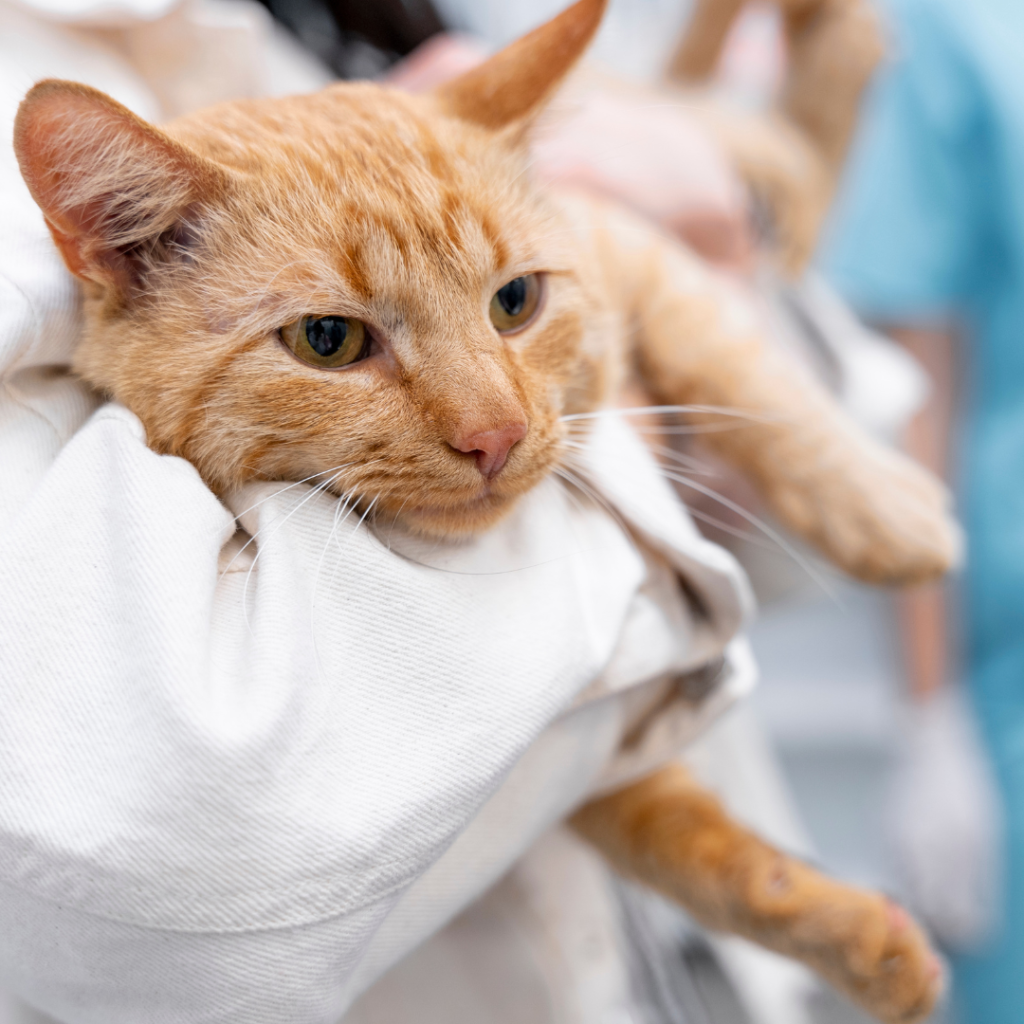
Heart failure
Congestive heart failure happens when the heart can't keep up and fluid builds up in or around the lungs, or in the belly.
We provide
- Emergency oxygen and stabilisation when needed
- Medicines to clear fluid and support the heart
- Chest X-rays to track the lungs
- Kidney and electrolyte checks while on medicine
- A home plan, including breathing-rate checks
With good management, many pets live comfortably for a long time.

High blood pressure
High blood pressure is common in older cats, often alongside kidney disease or an overactive thyroid, and can damage the eyes, kidneys, heart and brain.
Our care includes
- Blood pressure measurement in a calm setting
- Tests for underlying causes
- Medicine to bring pressure down
- Regular checks to keep it under control
Sudden blindness in an older cat can be a sign of high blood pressure and needs seeing the same day.
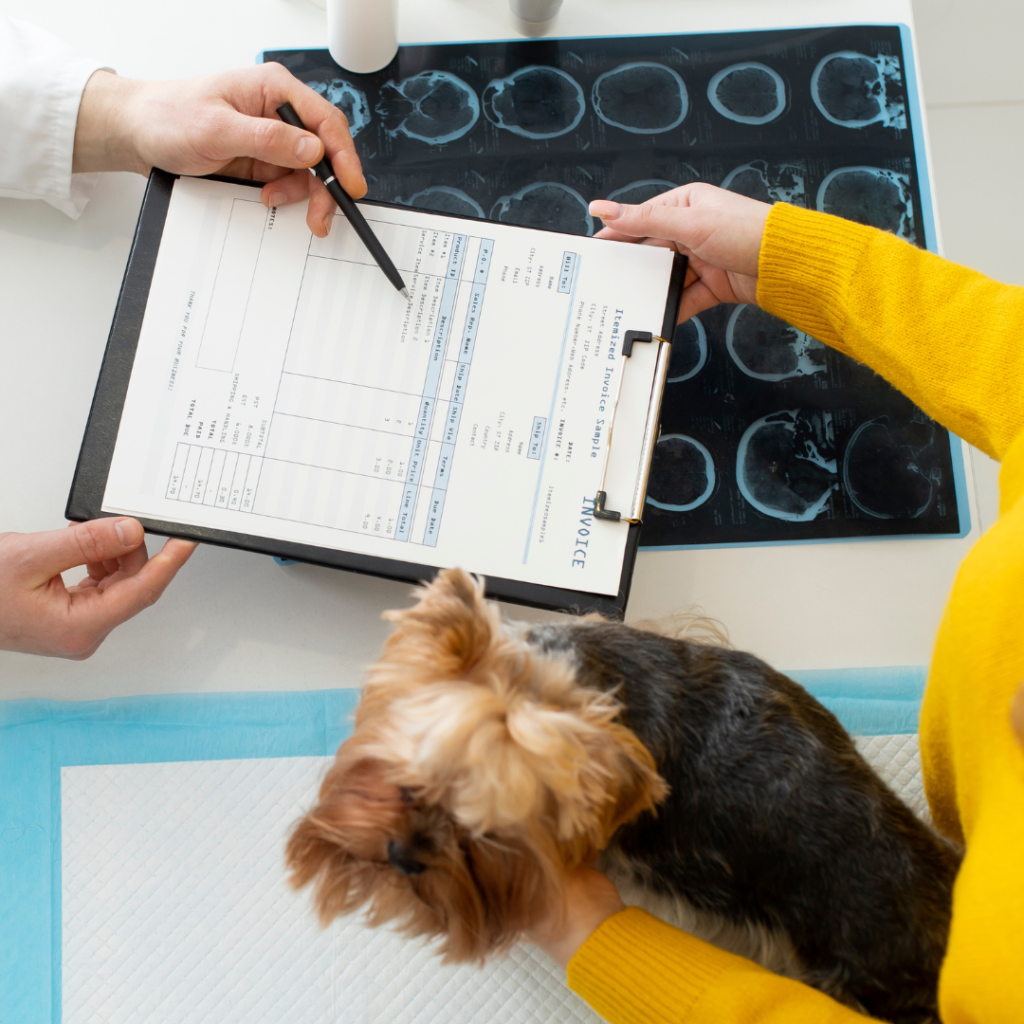
Heart tests
Most heart tests are painless and non-invasive, and most pets stay calm with gentle handling.
Tests we may run
- Electrocardiogram (ECG)
- Echocardiogram (heart ultrasound)
- Chest X-rays
- Blood pressure
- Pulse oximetry (oxygen level)
- Blood tests, including heart markers where useful
Sedation is rarely needed, only if a pet is very anxious or can't stay still.
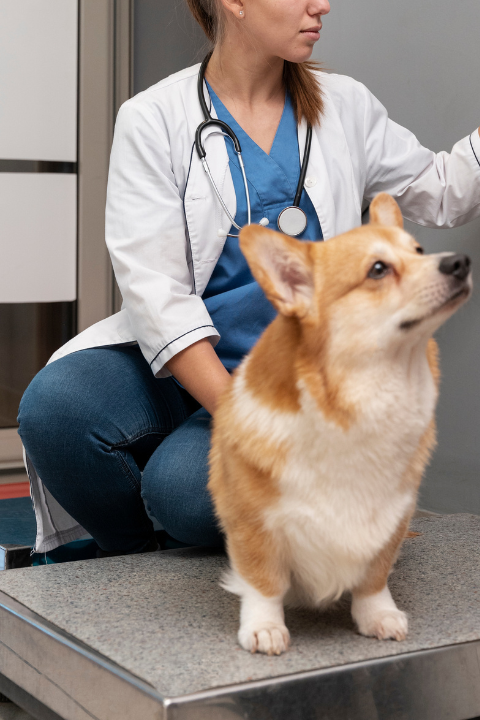
An earlier diagnosis means more choice and calmer decisions.
Why a specialist
Why see a cardiology team
Heart signs overlap with lung, kidney and thyroid problems. A focused team can:
- Heart or lungs?We tell heart disease from lung or airway problems
- The right time to treatStaging so treatment starts at the right moment
- Medicines that fitChosen to suit your pet's other conditions
- Planned rechecksComplications caught early
- A clear emergency planYou'll know what to watch for and what to do
Care at home
Caring for a heart patient at home
Small daily habits keep your pet comfortable and help us spot changes early. Home care usually involves the following.

Your home-care guide
Daily checks
- Counting breaths while your pet sleeps (tell us if it's regularly over 30 a minute)
- Regular rechecks, even when your pet seems well
Medicines & diet
- Giving heart medicines on time, and never stopping them suddenly
- A lower-salt diet, if advised: no salty treats or leftovers
- Keeping a healthy weight
Activity
- Gentle, regular exercise: stop if your pet tires or coughs
- Keeping cool in hot weather
If breathing is fast and laboured, or your pet collapses, call us straight away+91 76763 65365
Meet the team
Our cardiology specialists
The vets who lead our heart care. Each one works across our clinics.


Ready when you are
Book a cardiology consult
Book at your nearest clinic and our team will call to confirm your slot. Bring any past test results and the medicines your pet is on; they help us start faster.