



Speciality Hub · Nephrology
Kidney and urinary care that starts early
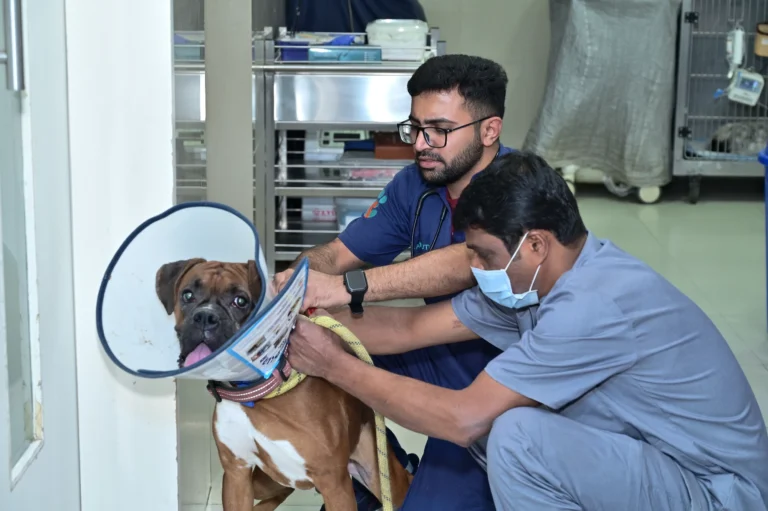
Kidney disease is common in older cats and dogs and often goes unnoticed until much of the kidney function is lost. We find problems early, treat sudden kidney injury fast, and build long-term plans with diet, fluids and medicine that keep many pets well for years.
Not peeing, straining with nothing coming out, or ate something toxic?Call +91 76763 65365
Signs to watch for
Signs of kidney and urinary problems
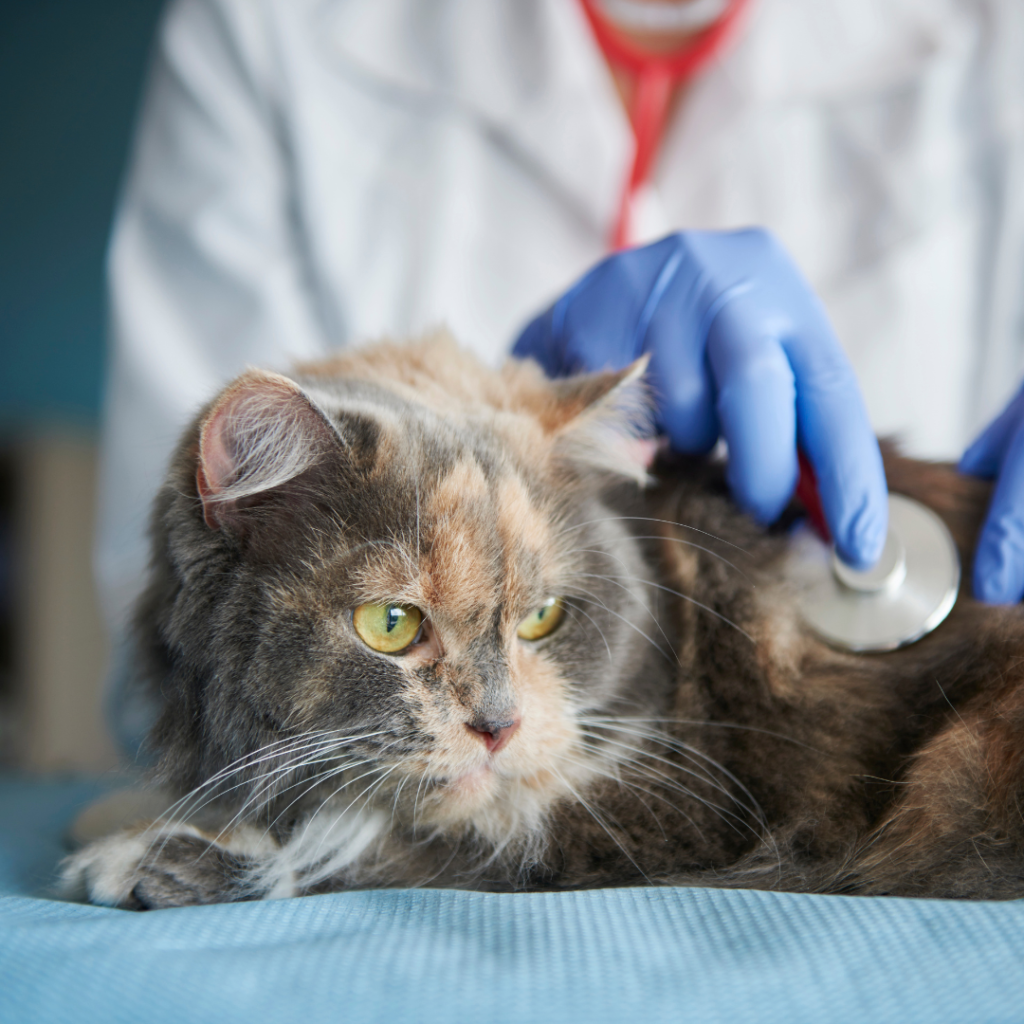
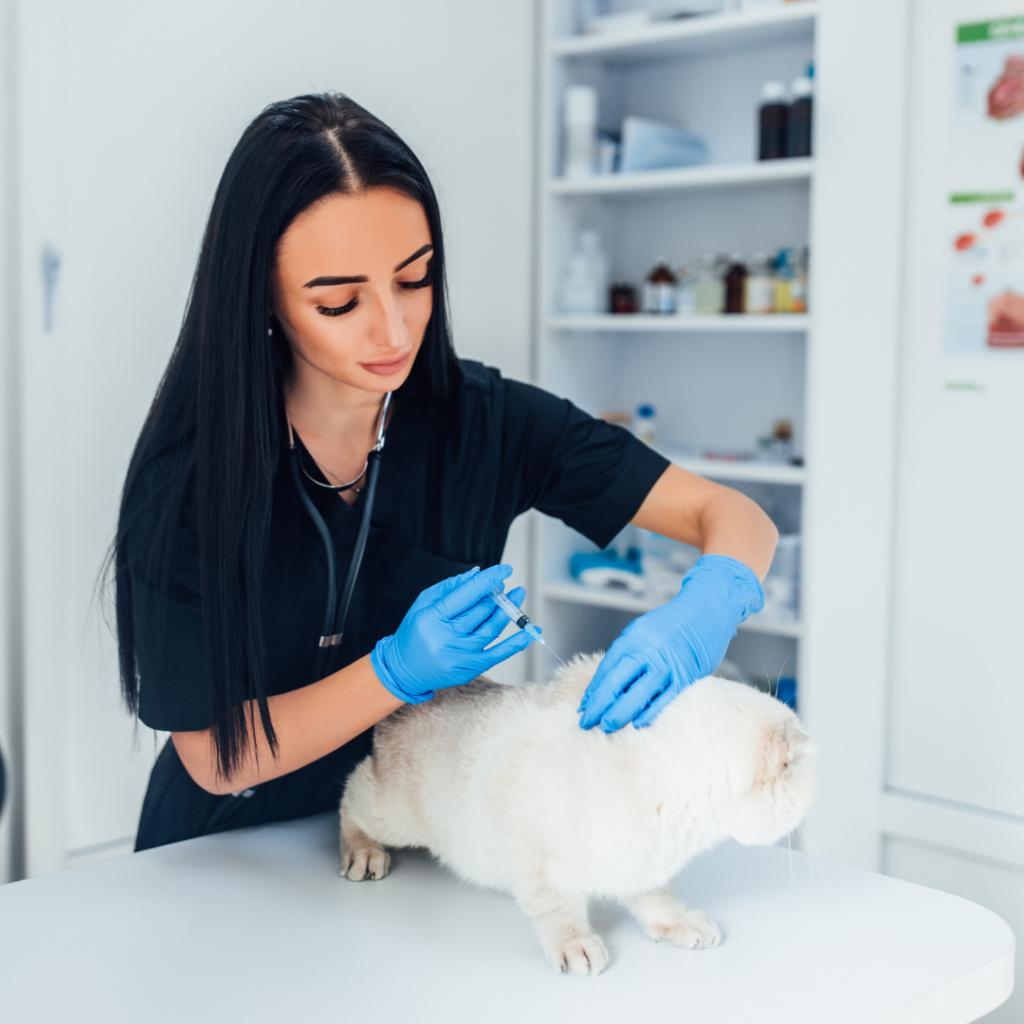
Kidney problems can come on suddenly, after an infection or a toxin, or slowly over months. Have your pet checked if you notice:
-
Drinking & peeing
- Drinking a lot more water
- Peeing more often, or accidents in the house
- Peeing less, or not at all
- Straining, or blood in the urine
-
Appetite & energy
- Weight loss and a poor appetite
- Vomiting or bad breath
- Tiredness or weakness
- A dull, untidy coat
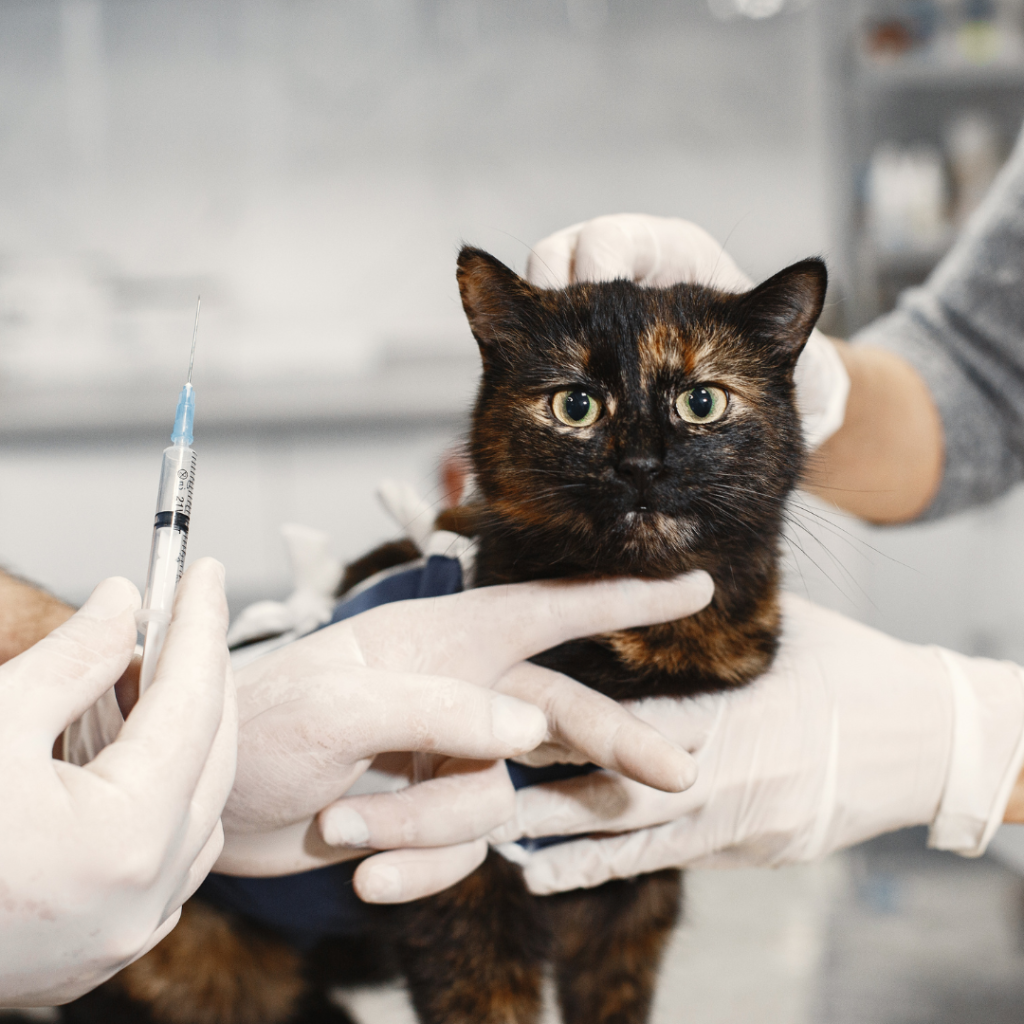
Same-day emergencies
- A cat straining in the litter box with little or no urine
- Eating lilies (cats), grapes or raisins (dogs), or antifreeze
- Sudden collapse or severe vomiting
Early testing greatly improves the chance of recovery.
What we treat
Diagnosis and treatment for kidney and urinary conditions
From early kidney changes found on a blood test to emergencies that need dialysis, we treat the cause and support the kidneys.
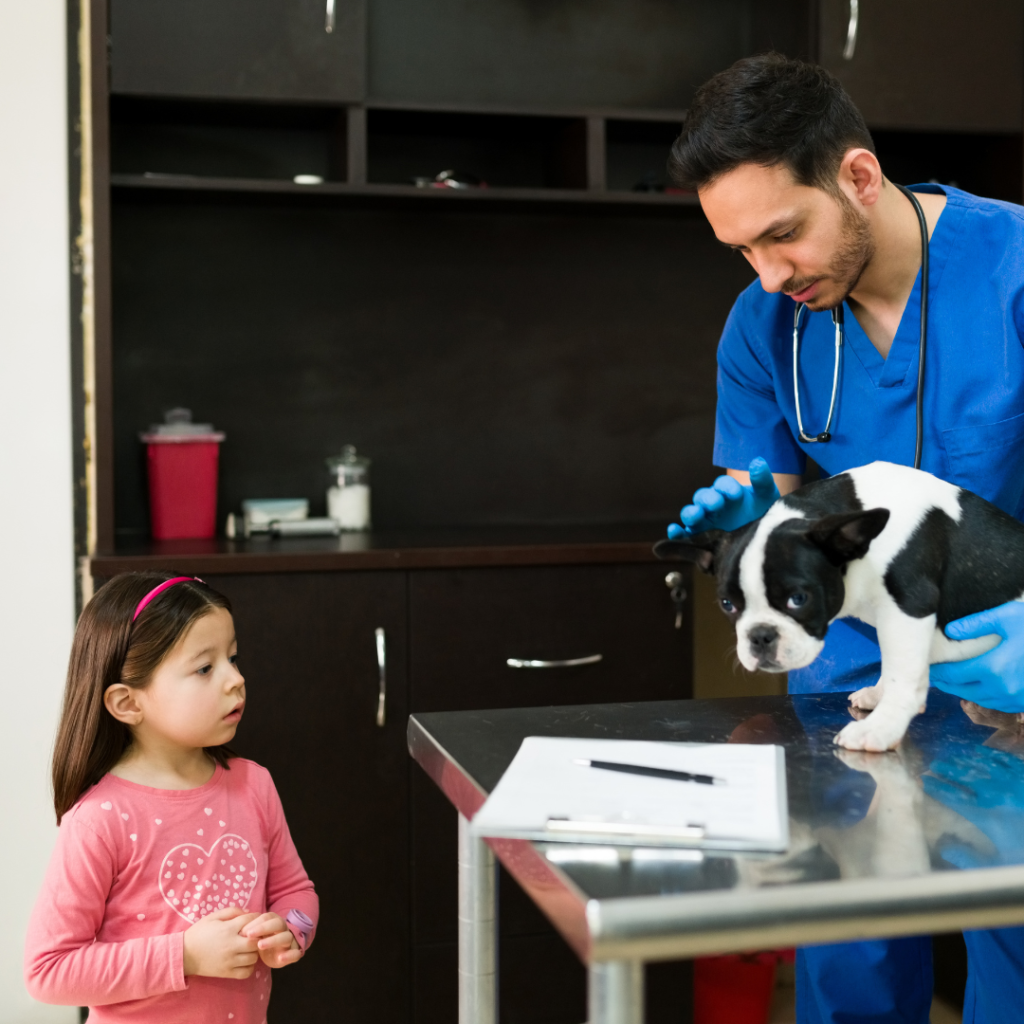
Chronic kidney disease
Chronic kidney disease (CKD) is a gradual loss of kidney function, very common in older cats. It can't be reversed, but the right care can slow it and keep pets comfortable.
Our care includes
- Staging with blood, urine and blood pressure tests
- Kidney diets and hydration plans
- Medicines for blood pressure, protein loss, nausea and appetite
- Phosphate control
- Rechecks every few months to adjust the plan
Caught early, many pets live well with CKD for years.

Acute kidney injury
Toxins, infections, dehydration or blockages can damage the kidneys within hours or days. Quick treatment gives the best chance of recovery.
We provide
- Rapid blood tests, electrolytes and blood gas analysis
- Intravenous fluids and close monitoring
- Treatment for toxins and infections
- Haemodialysis support for severe cases
- 24/7 ICU care at Domlur
Many pets recover when treated early.
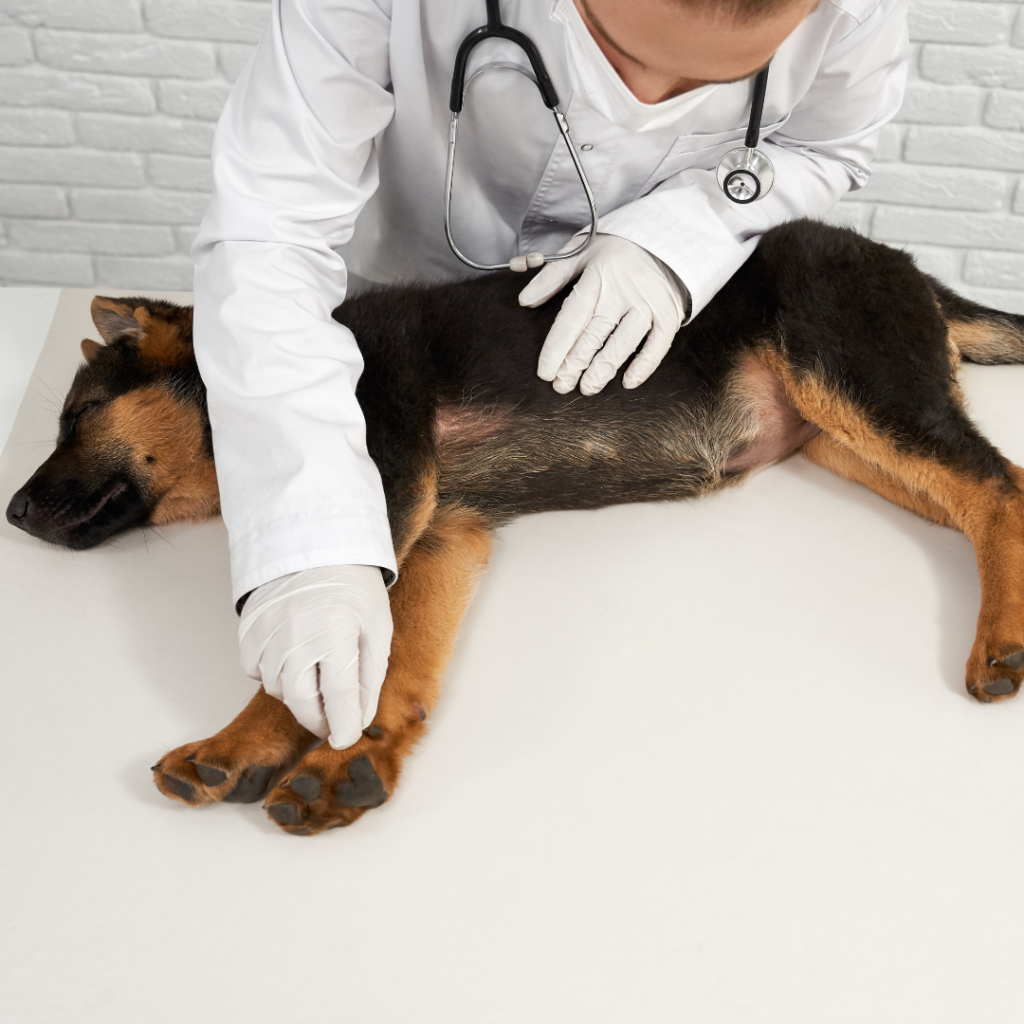
Stones & blockages
Stones and crystals can irritate the bladder or block the flow of urine, which is an emergency, especially in male cats.
Our care includes
- Urine tests and imaging to find stones
- Diets that dissolve some types of stone
- Removal when stones won't dissolve or cause a blockage
- Emergency unblocking for cats that can't pee
- Prevention plans to stop stones coming back
A cat straining without passing urine needs seeing the same day.

Urinary infections & cystitis
Frequent peeing, straining or blood in the urine can come from infection, stress-related cystitis in cats, stones or other causes.
We offer
- Urine analysis and culture
- Antibiotics only when there's an infection
- Stress-reduction and hydration plans for cats with cystitis
- Checks for underlying problems when infections keep coming back
Treating the real cause stops the problem coming back.
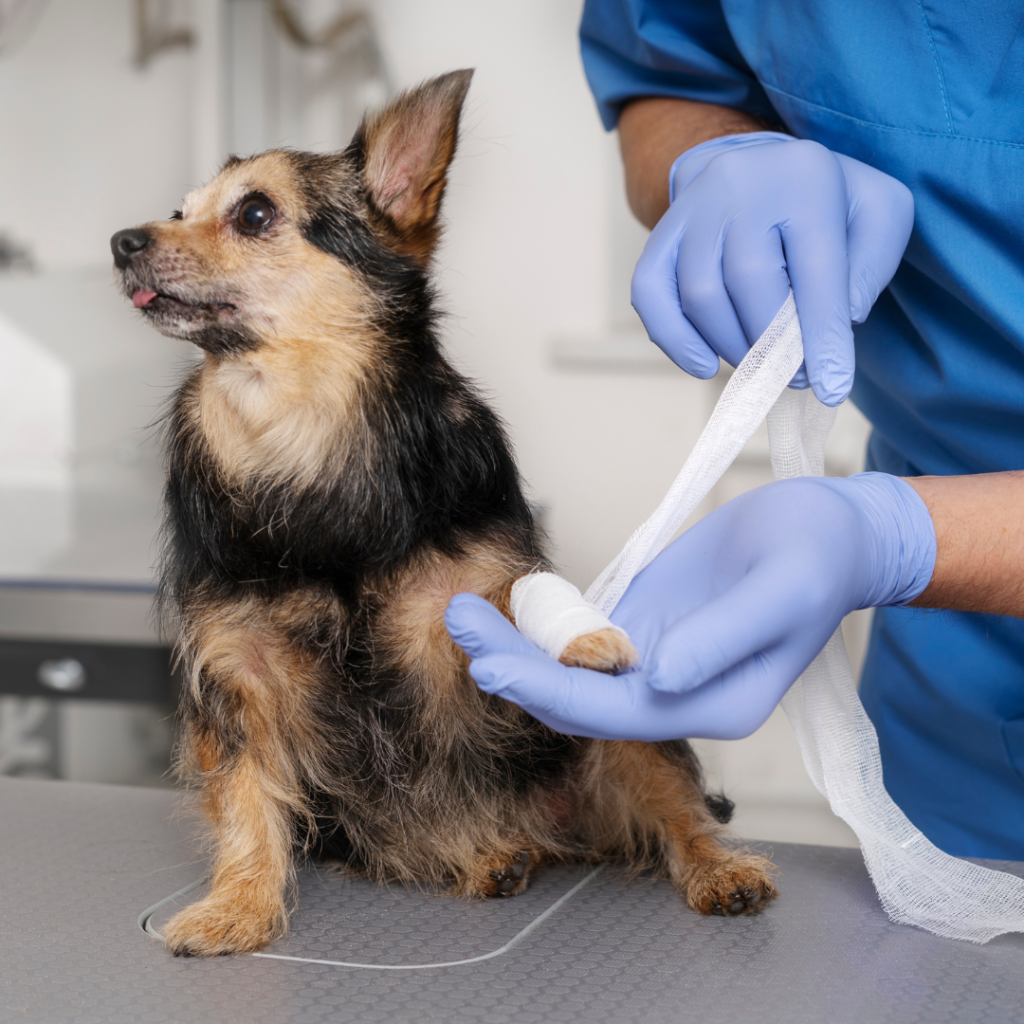
Dialysis & critical care
Haemodialysis filters the blood when the kidneys can't, buying time for them to recover after acute injury or poisoning.
Our critical care includes
- Haemodialysis by a trained team
- Electrolyte and blood gas monitoring
- Fluid therapy adjusted hour by hour
- Nutrition support
- Round-the-clock ICU monitoring
Performed by trained specialists, dialysis is safe and often life-saving.
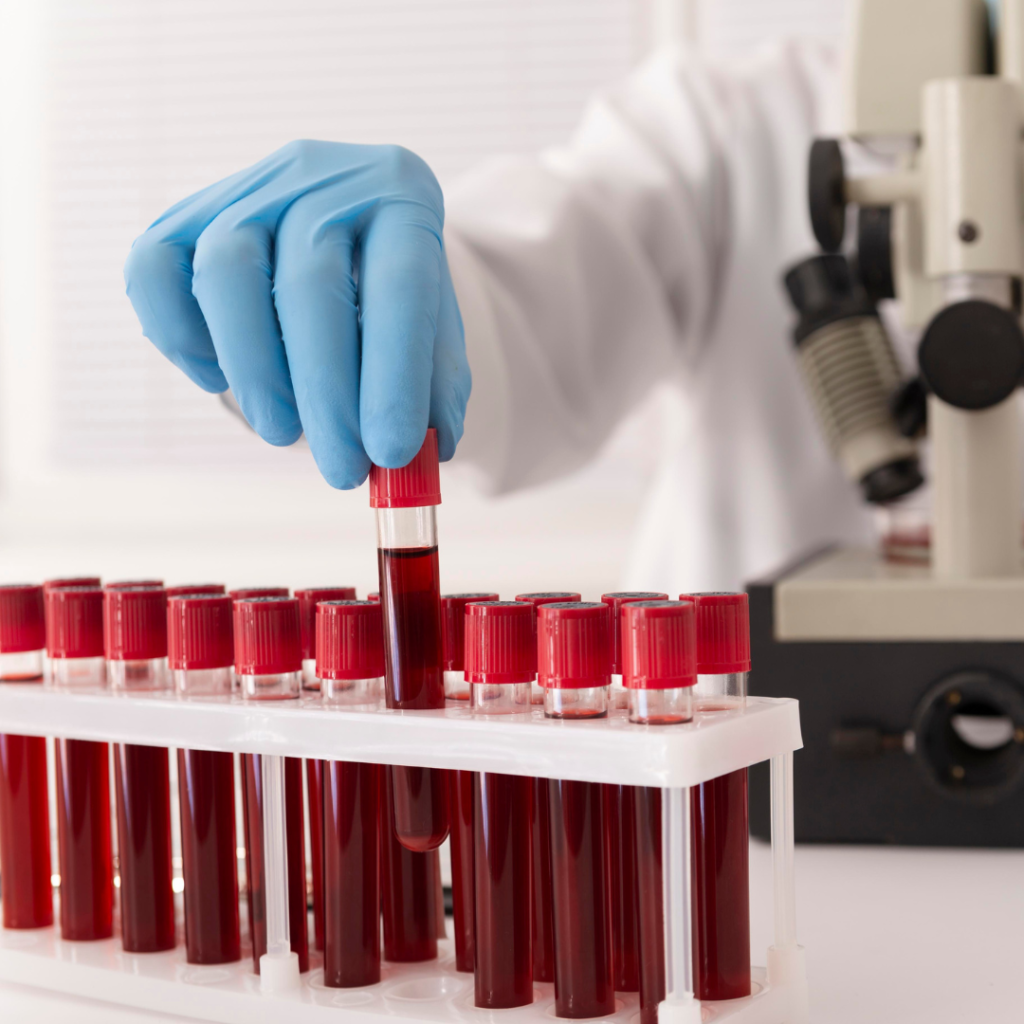
Kidney tests
Blood and urine tests, together with imaging, show both how well the kidneys are working and why.
Tests we may run
- Kidney blood panel, including SDMA
- Urine analysis, urine protein and culture
- Abdominal ultrasound and X-rays
- Blood pressure
- Electrolyte and blood gas analysis
Many results are ready the same day.

Early, steady care keeps many kidney patients well for longer.
Why a specialist
Why see a kidney specialist
Kidney disease affects the whole body, from blood pressure to appetite. A focused team can:
- Found earlyScreening tests find kidney disease before signs appear
- Staged and tailoredTreatment matched to the stage of disease
- Balanced medicinesSafe alongside your pet's other conditions
- Fast in emergenciesWith dialysis support when it's needed
- Plans that adaptAdjusted as your pet's needs change
Care at home
Kidney care at home
Most kidney care happens at home. Home care usually involves the following.
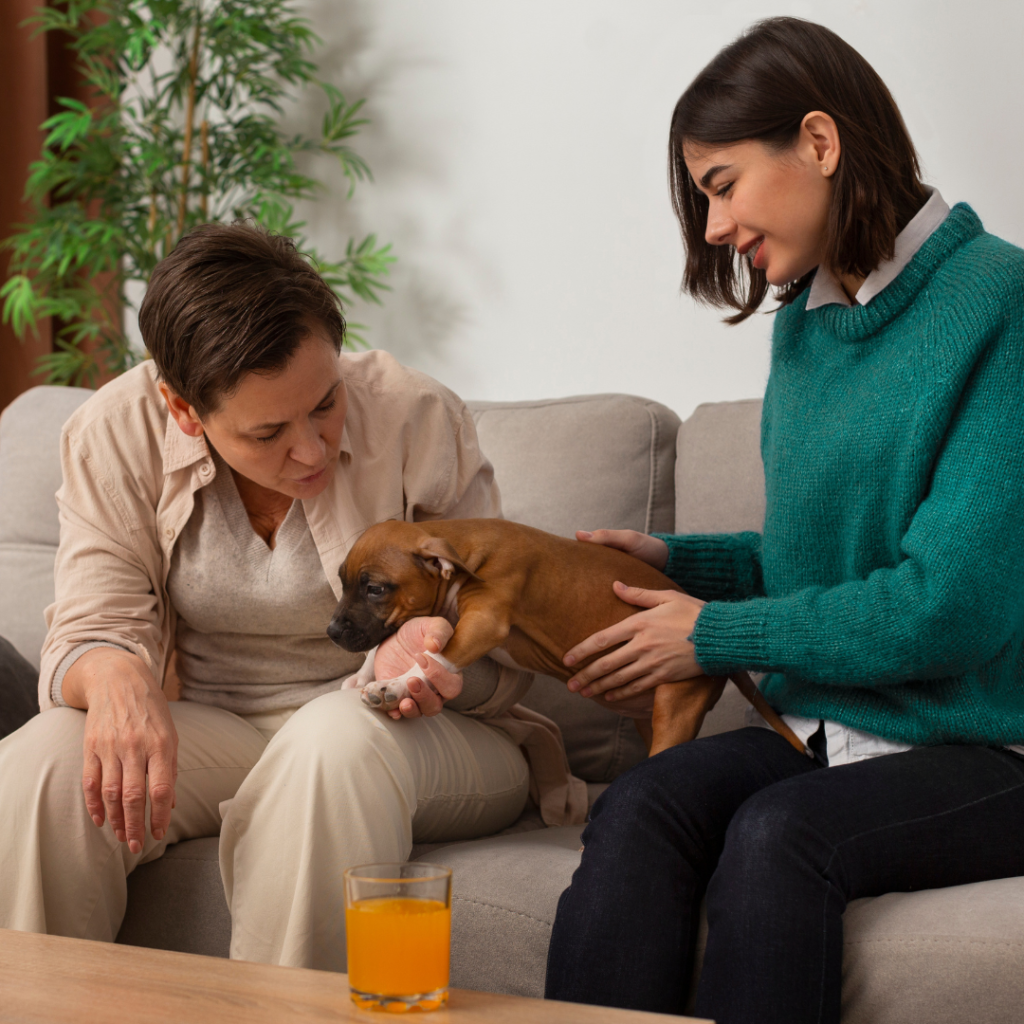
Your home-care guide
Diet & water
- A kidney diet, introduced slowly
- Plenty of fresh water (fountains and wet food help cats drink more)
- Fluids under the skin, if advised (we'll show you how)
Medicines & checks
- Medicines and supplements, given on time
- Regular blood and urine checks, usually every few months
Keep watch
- Watching urine and appetite for any change
- Knowing the warning signs: vomiting, not eating, not peeing
Call us if your pet stops eating, vomits repeatedly or stops peeing+91 76763 65365

Ready when you are
Book a nephrology consult
Book at your nearest clinic and our team will call to confirm your slot. Bring any past test results and the medicines your pet is on; they help us start faster.