Senior Pet Grooming: How to Groom an Older Dog
Senior pet grooming needs shorter sessions and better support, not just gentler hands. How to groom an elderly dog or cat safely and what coat changes mean.
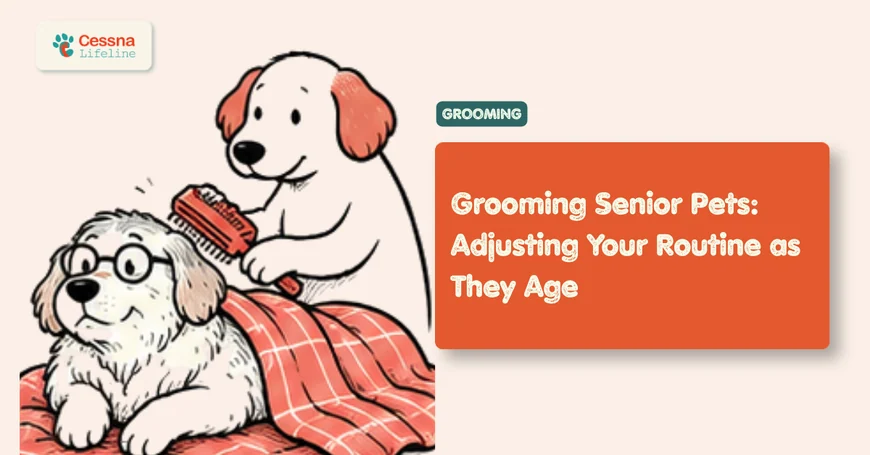
Senior pet grooming is usually described as being gentler, which is true but not the useful part. The real changes are structural: sessions get shorter, the animal gets physical support, the order of work changes so the important jobs happen first, and the grooming session becomes one of the better health checks an older pet gets.
Older animals also change physically in ways that alter what grooming involves. Coats get coarser and drier, skin thins and loses elasticity, claws stop wearing down because the animal walks less, lumps accumulate, and joints make certain positions genuinely painful. A routine that worked at four can hurt at twelve without anything else having changed.
What to Know The commonest reason an older pet suddenly resists grooming is pain, not temperament. Osteoarthritis makes standing on three legs while one is held up difficult, and makes the twisting needed to reach a hind end painful. Dental disease makes the face sensitive. Before concluding that an older animal has become difficult, have the pain assessed. A pet that stops grooming itself is giving you the same information from the other direction, and in cats a scurfy rump is one of the more reliable signs of untreated arthritis.
What Changes Make Senior Pet Grooming Different?
Several changes arrive together, which is why the whole routine shifts rather than one part of it.
| What changes | Why it matters for grooming | What to adjust |
|---|---|---|
| Coarser, drier coat | Tangles form faster and comb through less easily | Comb more often, shorter sessions |
| Thinner, less elastic skin | Brush burn and clipper nicks happen at lower pressure | Lighter pressure, stop at pink skin |
| Claws stop wearing down | Long claws alter foot loading and strain arthritic joints | Trim every 3 to 4 weeks, dewclaws included |
| Quick extends further down the claw | A cut at the old length now bleeds | Take less off, more often |
| Reduced self-grooming | Greasy, scurfy or matted rump and lower back | Take over that area 2 to 3 times weekly |
| Painful joints | Standing on three legs becomes difficult | Non-slip mat, legs low, support the weight |
| Lumps accumulate | Growth goes unnoticed between visits | Map locations at every groom |
| Poorer temperature control | Long baths and cold rooms become a real stress | Short lukewarm baths, dry in a warm room |
The coat gets coarser, drier, and often duller, with greying most visible around the muzzle and eyes. Sebum production changes, so some older pets develop a greasier coat and others a flakier one. Skin thins and loses elasticity, which makes it more easily damaged by a firmly used brush or a clipper held too close.
Claws are the change owners notice last and that causes the most trouble. A less active animal walks fewer hard-surface kilometres, so claws stop wearing down and keep growing. Overgrown claws alter how the foot loads, which adds strain to already arthritic joints, and in extreme cases curl into the pad. Dewclaws grow unchecked because they never contact the ground at all.
Then the incidental findings. Older animals accumulate lumps, warts, and skin tags, most of them benign, some not. They develop thickened paw pads, callused elbows, and tear staining. Hair in the ear canal matters more when ears are already prone to infection.
Reduced self-grooming is the change with the most clinical weight. A cat or dog that can no longer twist to reach its rear develops a greasy, dandruffy, or matted patch exactly there. That pattern is worth taking seriously rather than treating as untidiness. age-related changes in senior cats
How to Groom an Elderly Dog Safely
The principles are about load and duration rather than technique.
Keep sessions short and frequent. Five to ten minutes covering one area properly beats forty minutes covering everything, both for comfort and because an arthritic animal stiffens when held in one position. Three short sessions across a week is a reasonable target for a dog that used to tolerate one long one.
Let the animal stand on a non-slip surface, and support its weight. A rubber mat or towel under the feet makes an enormous difference to a dog that is worried about slipping, and a worried dog braces, which hurts more. Avoid lifting a leg higher or further than necessary, and never hold a limb in extension to reach underneath. Work with the leg low and the joint in a neutral position, moving yourself rather than the dog.
Do the important jobs first, while patience and comfort are at their best. For most older pets that means claws, then the sanitary area, then the matting friction points, then the cosmetic work. If you run out of session before the cosmetic work, nothing is lost.
Watch for signals rather than waiting for protest. Lip licking, turning the head away, shifting weight repeatedly, tremor in a held limb, and sudden stillness all come before a growl. Stopping at those keeps the next session possible.
Safe grooming for older pets also means temperature. Older animals regulate temperature less well, so a long bath or a session in a cold room is a real stress rather than a minor discomfort. Keep baths short, water lukewarm, and dry thoroughly in a warm space.
Why Do Older Pets Need More Frequent Claw Trimming?
Because the mechanism that used to keep claws short has stopped.
An active dog wears its claws down on pavement and hard ground. An older dog walking shorter distances on softer surfaces does not, so the claws keep growing at the same rate with nothing removing them. The result compounds: long claws stop the toe sitting flat, which changes how the foot loads, which adds rotational strain to a hock, stifle, or carpus that is already arthritic. Long claws also slip on smooth floors, and a slip is a genuine injury risk for an older animal.
Every three to four weeks is a reasonable interval for most senior pets, against every couple of months for an active adult. Dewclaws need specific attention because they never touch the ground and so never wear at all; left alone they curl and can grow into the skin.
Older claws are also harder to cut. They thicken, become more brittle, and the blood supply inside the claw, the quick, extends further down than in a young animal. That combination means a cut at the length you used to take will now reach the quick and bleed. Taking less off more often is the right adjustment, and it is why this is a good job to hand over if you are unsure.
Clipping the hair between the pads matters more in older pets too. Long pad hair acts like a sock on smooth indoor flooring and removes what grip the animal has left. Trimming it level with the pads restores traction, which for a wobbly senior is worth more than it sounds.
What Should Senior Cat Grooming Involve?
Senior cat grooming is mostly about compensating for what the cat has stopped doing.
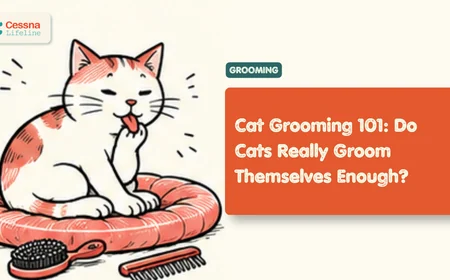
An older cat that can no longer twist comfortably stops grooming its lower back, rump, and tail base. That area then becomes greasy, scurfy, clumped, or frankly matted, and it is both uncomfortable and a reliable physical sign that something hurts. Taking over that area with a soft comb two or three times a week is the single most useful intervention.
Claws need the same attention as in dogs and for the same reason, with an additional feline problem: older cats often stop using a scratching post, either because the stretch is painful or because they use it less, and claws then grow long enough to catch on carpet and bedding. A cat hooked on a blanket panics and can injure itself.
Keep sessions very short. Two or three minutes on one region, several times a week, is far more sustainable than a weekly battle. Work with the cat where it chooses to sit rather than moving it to a table, since a cat that feels insecure braces and resists.
Among grooming tips for senior cats, the one most often overlooked is to check the mouth and the rear at every session. Dental disease is common and painful in older cats and makes the mouth action of self-grooming uncomfortable, which is another route to a neglected coat. Soiling around the rear points to mobility trouble, constipation, or arthritis rather than to a dirty cat.
The most clinically useful sentence an owner of an older pet can say is "I've started having to groom the bits he used to do himself." It dates the problem precisely, because owners remember the week they first had to help, and it localises it, because the neglected area tells you which movement became painful. In practice that sentence frequently puts a date on osteoarthritis or dental disease several months before the owner would have booked an appointment for either. A neglected rump in a cat, or a neglected hind end in a dog, is a mobility finding in disguise.
What Should a Groomer Check on an Older Pet?
A grooming session puts hands systematically over every part of an animal, which makes it one of the better screening opportunities an older pet gets. The findings that matter:
- New lumps, and changes in size, firmness, or surface of known ones
- Skin that is red, scabby, greasy, flaky, or smells different
- Ear discharge, odour, or pain on handling the ear
- Overgrown or splitting claws, and dewclaws growing into the skin
- Thickened, cracked, or ulcerated paw pads, and callused elbows
- Matting, especially over the rear, which signals reduced self-grooming
- Soiling around the anus or vulva, pointing to mobility or continence problems
- Pain, stiffness, or reluctance in a specific limb or position
- Weight change, which is far more obvious under the hands than to the eye
- Tear staining, cloudy eyes, or discharge
- Reluctance to be touched at the mouth, suggesting dental pain
A good groomer records where lumps are, which is how growth gets noticed between visits. Mapping matters more than measuring once.
Any of those findings is worth a veterinary exam rather than a note for next time. In an older animal, a lump that has changed, a new limp, unexplained weight loss, or skin that has broken down should be seen promptly, not at the next groom in six weeks. senior pet screening tests
When Is Grooming Too Much for an Older Pet?
Some older animals reach a point where a full groom costs more than it returns, and recognising that is part of elderly pet care.
Signs that a session should be cut short or restructured: the animal cannot stand comfortably for even a few minutes, it becomes distressed rather than merely reluctant, it has significant cardiac or respiratory disease that makes restraint and handling risky, or it is in a period of acute illness or recovery.
The answer is almost never to stop grooming, because a neglected coat creates matting, skin disease, and soiling. The answer is to change what grooming means. Clip the coat short so maintenance takes minutes rather than an hour. Split the work across several very short sessions. Prioritise the functional areas, which are claws, sanitary trim, paw pads, and anywhere that mats, and let the cosmetic work go. Groom where the animal is comfortable instead of moving it.
For a severely matted coat in a frail animal, a sedated clip is sometimes genuinely the kindest option, and it allows a full skin examination at the same time. That decision needs a vet involved, because sedation in an older animal requires assessing cardiac and renal function first rather than being arranged on the day.
Frequently Asked Questions
How do I groom an elderly dog safely?
Keep sessions to five or ten minutes, use a non-slip mat, and support the dog's weight rather than lifting legs high. Work with joints in a neutral position and move yourself rather than the dog. Do claws and the sanitary area first while patience is best. Stop at early signals such as lip licking or weight shifting, not at a growl.
How often should grooming older dogs and cats happen?
More often than an active adult, in shorter sessions. Aim for brushing every other day for coated breeds, and claw trims every three to four weeks rather than every couple of months, because less walking means claws no longer wear down. Frequent short handling also keeps the animal comfortable with the process.
Why has my older dog started hating being brushed? Is gentle grooming enough?
Usually pain rather than temperament. Osteoarthritis makes standing on three legs and twisting painful, and dental disease makes the face sensitive. Thinner skin also makes a firmly used brush genuinely uncomfortable. A new objection to grooming in an older pet is worth a pain assessment before it gets treated as a behavioural change.
What are the best grooming tips for senior cats?
Take over the areas the cat has stopped reaching, which is usually the lower back, rump, and tail base. Use a soft comb for two or three minutes at a time, several times weekly, wherever the cat chooses to sit. Keep claws short since older cats use scratching posts less. Check the mouth and rear at every session.
Should I shave my senior pet's coat as part of elderly pet care?
Clipping shorter is often sensible, because it makes maintenance quick and reduces matting in an animal that can no longer self-groom. Full shaving is rarely necessary and removes insulation that works against heat as well as cold. A shorter practical length you can actually maintain beats a breed-standard coat you cannot.
Is sedation safe for grooming an older pet?
It can be, and for a severely matted frail animal it is sometimes the kindest route, but it needs veterinary assessment first. Cardiac, renal, and liver function are checked before sedating an older animal, so this is planned rather than arranged on the day. It also allows a full skin examination while the coat is clipped out.
Can grooming detect health problems in older pets?
It is one of the better opportunities, because a groom puts hands over the entire body systematically. Lumps, skin changes, ear problems, overgrown claws, matting over the rear, soiling, weight change, and pain in a specific limb all surface during grooming. Recording where lumps are is what makes growth noticeable between visits.
Next Steps
Older pets are the group where professional grooming changes the most, because the work is as much handling and assessment as it is coat care. Our groomers work on a non-slip surface, split long jobs across shorter sessions, and map lumps so changes get noticed. Because the grooming and clinical teams share the building, anything found gets looked at the same day rather than waiting.
Book a gentle grooming session for a senior pet with the Cessna Lifeline grooming team.
If what you have noticed is a change in your pet rather than in its coat, start clinically. New resistance to handling, a pet that has stopped grooming its own rear, a new limp, a lump that has changed, or unexplained weight loss all need a veterinary exam rather than a grooming appointment. Arrange a consultation and mention when the grooming behaviour changed.